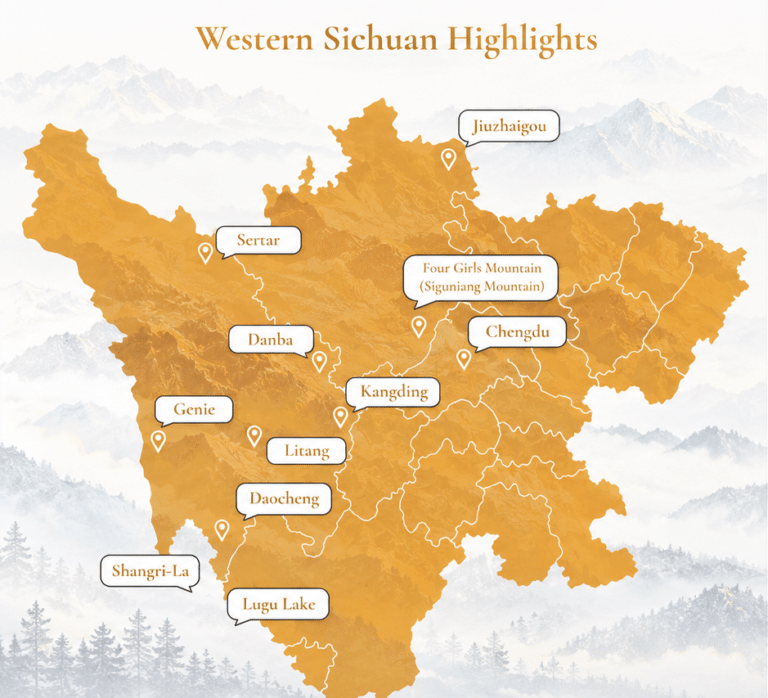
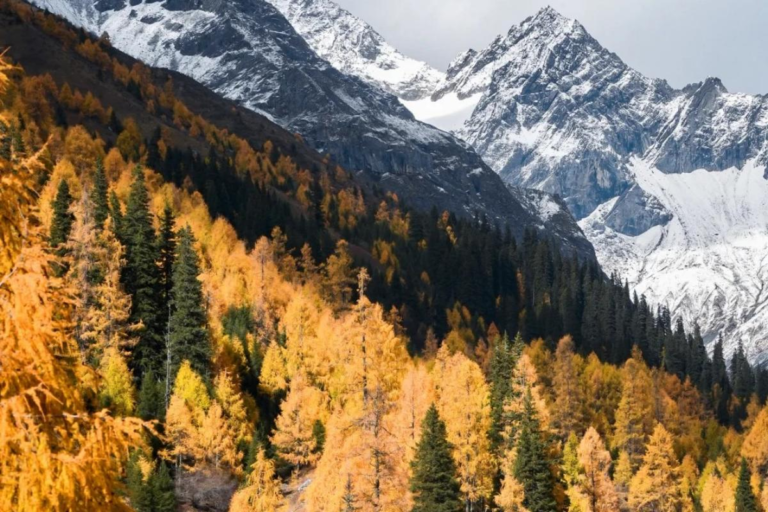
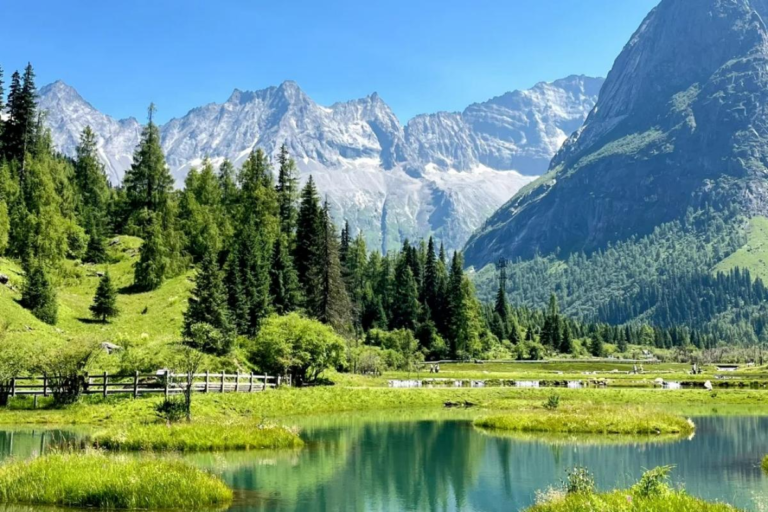
Western Sichuan is where the Sichuan Basin rises into the Tibetan Plateau — a region of snow mountains, alpine valleys, grasslands, Tibetan villages and remote monasteries.
Easily reached from Chengdu, it is one of the most accessible ways to experience high-altitude landscapes and Tibetan culture without traveling to Tibet.
SNOW MOUNTAINS & ALPINE LANDSCAPES
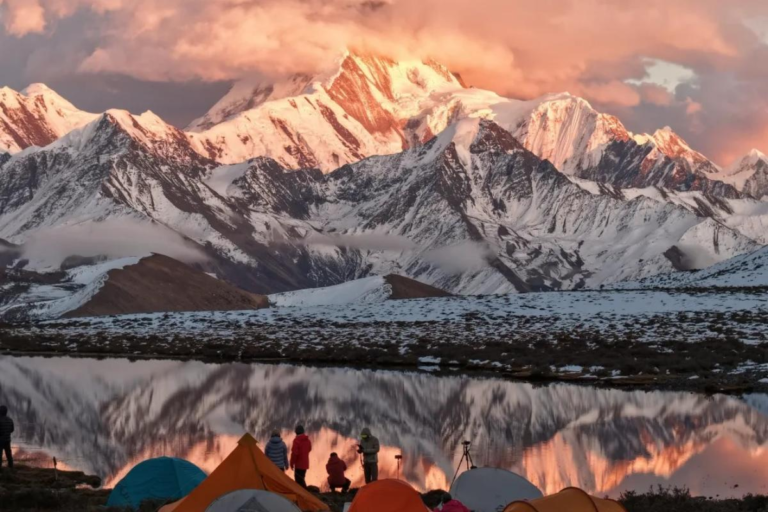
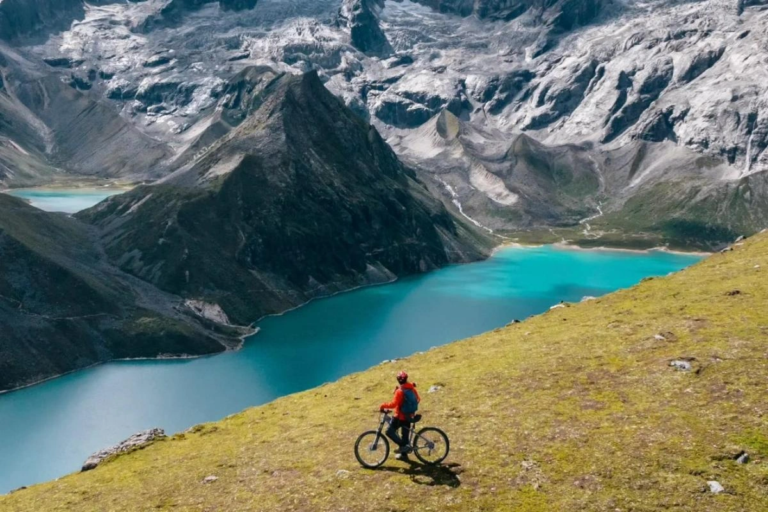
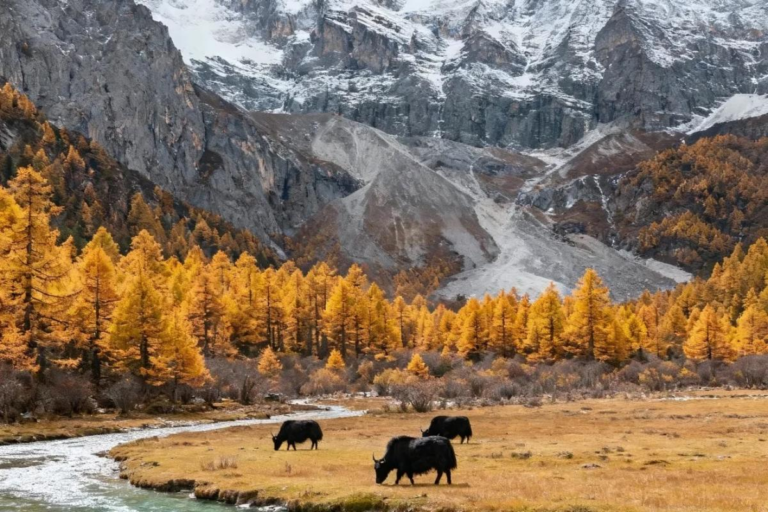
Travel through the dramatic mountain landscapes of Siguniang Mountain, Yala Snow Mountain, and the Mount Gongga region. Expect snow-capped peaks, glacier-fed valleys, alpine lakes, and some of the most spectacular highland scenery in China.
Tibetan Culture & Highland Life
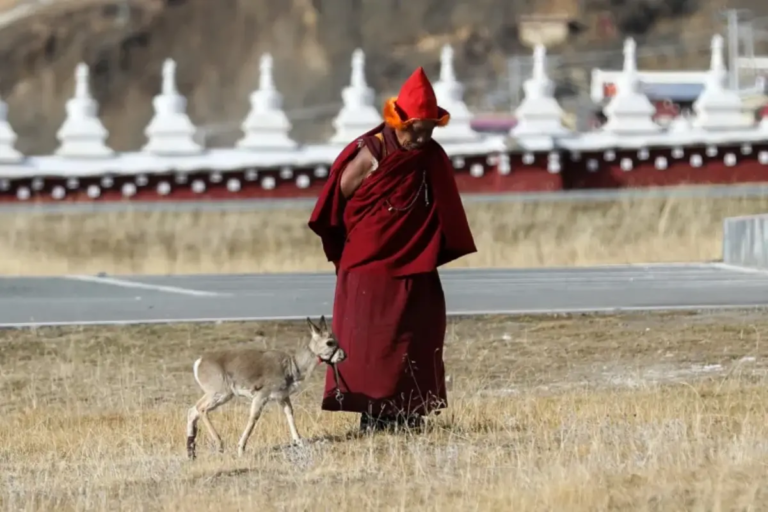
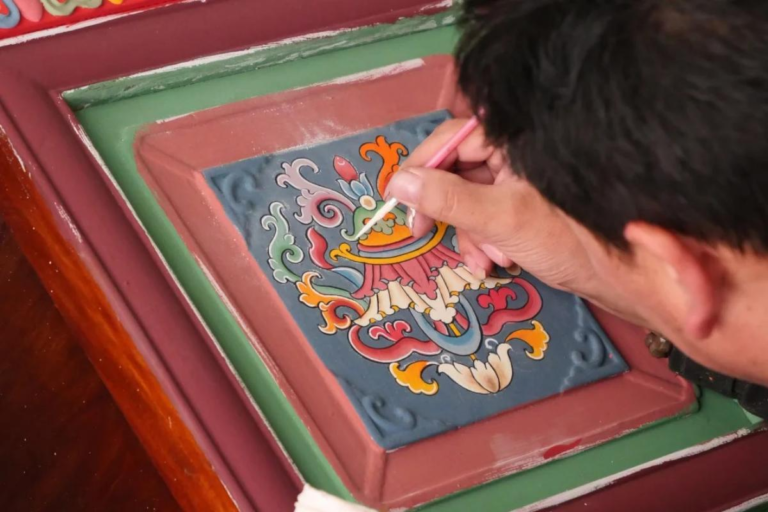
Experience daily life in Tibetan communities around Tagong, Danba, and Litang. Visit traditional villages, see prayer flags stretching across mountain passes, and gain insight into a culture that has shaped these highlands for centuries.
Sacred Monasteries & Spiritual Traditions
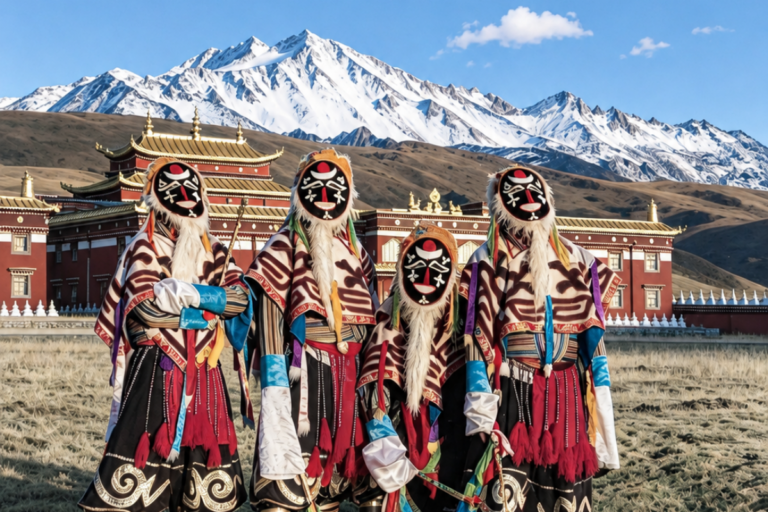
Explore active monasteries such as Tagong Monastery and Huiyuan Monastery, where monks continue centuries-old traditions. From morning prayers to colorful festivals, spirituality remains an integral part of life across the region.
Hiking, Horse Riding & Outdoor Adventures
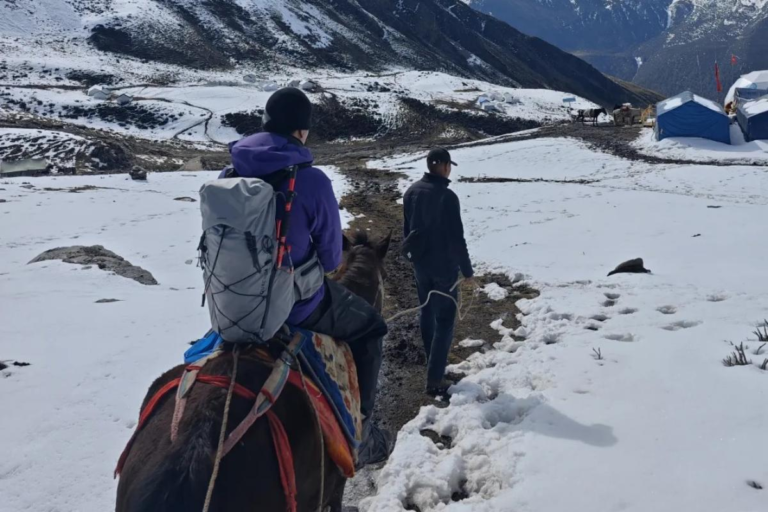
Trek through alpine valleys, ride horses across open grasslands, and experience life on the Tibetan Plateau at a slower pace. For adventurous travelers, Western Sichuan offers opportunities to hike, camp, and immerse yourself in some of China’s most remote mountain landscapes.
Travel Information for Western Sichuan
Essential information to help you plan a comfortable and well-paced journey through Western Sichuan.
April to October is the main travel season. Spring brings greener valleys and mountain flowers, summer is ideal for high-altitude landscapes, while September and October offer clearer skies and autumn colors.
Many routes travel between 3,000 and 4,500 m. A gradual ascent, slower pace and enough time to acclimatize are important, especially before hiking or visiting higher plateau areas.
Chengdu is the main gateway to Western Sichuan. Most destinations are reached by road, making private travel a flexible way to connect mountain areas, Tibetan villages and remote valleys in one journey.
Most commonly visited areas of Western Sichuan do not require a Tibet Travel Permit. Access rules for some remote areas may change, so requirements should be confirmed before departure. If you are unsure about a specific destination or route, email us at [email protected] and we’ll help you check the latest travel requirements.
High altitude, mountain weather and long driving distances require proper preparation. Suitable vehicles, experienced local support and travel insurance are especially important when traveling through remote areas.
How Many Days Do You Need in Western Sichuan?
Western Sichuan can work for a short mountain escape or a deeper journey into Kham. The right length depends on how far you want to travel and how much time you want to spend along the way.
4–5 DAYS
A Short Mountain Escape
Focus on one or two areas such as Mt. Siguniang, Danba or Tagong, with time for mountain scenery, Tibetan villages and short walks.
7–8 DAYS
A Classic Western Sichuan Journey
Travel deeper into the region, combining snow mountains, Tibetan villages, monasteries and highland landscapes at a comfortable pace.
10–14 DAYS
A Deeper Journey into Kham
Explore more remote areas around Litang and beyond, with time for hiking, horse riding, local encounters and slower travel across the plateau.
Sichuan Tours & Experiences
Explore Sichuan with flexible private or group travel arrangements, accompanied by our professional English-speaking guides and experienced local teams. From solo travelers to small groups and larger customized journeys, each experience is thoughtfully adapted to your interests and travel pace.
Western Sichuan is remote, mountainous and often high-altitude. Good preparation, suitable transportation and experienced local support make a real difference when traveling through the region.
Local guides can respond to changing weather, road conditions and other challenges that come with remote mountain travel.
PLAN YOUR WESTERN SICHUAN JOURNEY
Ready to Explore Western Sichuan?
Tell us when you plan to travel, how many days you have and what you’d most like to experience. We’ll help you create a private Western Sichuan journey around your pace and interests.