KUNG FU · CULTURE · JOURNEY
Kung Fu & Martial Arts Journeys in China
Discover Chinese Martial Arts
Chinese martial arts are not a single style or tradition. Across China, different systems developed through generations of teachers and practitioners, shaped by their own regions, communities and cultural environments.
From Shaolin and Wudang to the martial traditions of Mt. Emei, each offers a different way to explore Chinese history, philosophy, movement and living culture.
- SHAOLIN: Buddhist heritage & martial tradition
- WUDANG: Daoist culture & internal practice
- EMEI: Regional martial arts & mountain culture
The Practice Behind Kung Fu
Kung Fu is built gradually — through movement, technique, repetition and guidance.
STANCE
Build stability, structure and control from the ground up.
MOVEMENT
Develop coordination, footwork and the ability to move the body as a whole.
TECHNIQUE
Learn movements and techniques through demonstration, practice and correction.
REPETITION
Return to the fundamentals again and again, gradually building familiarity and precision.
SICHUAN · 6 DAYS
Featured Emei Kung Fu Journeys
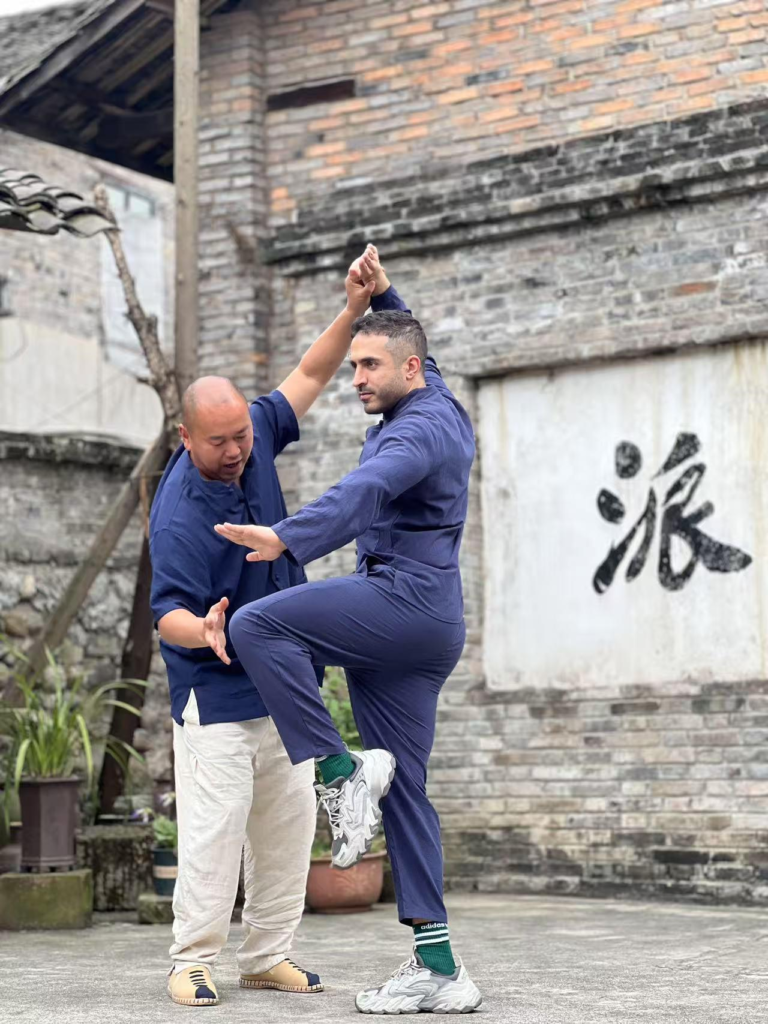
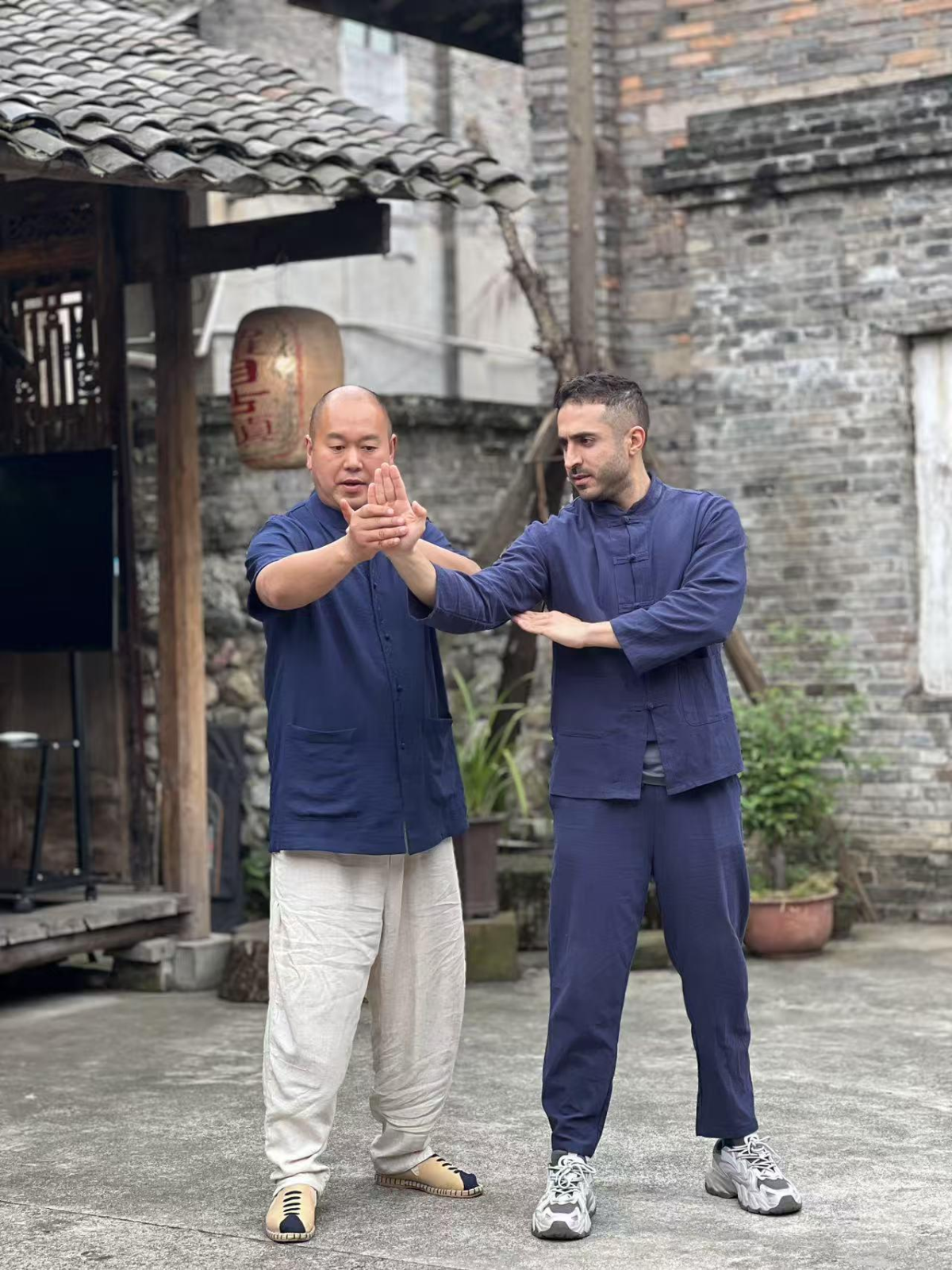
Train with an inheritor of Emei Kung Fu and experience a living martial arts tradition in the mountains of Sichuan.
Combine hands-on practice with Mt. Emei, local culture and traditional mountain knowledge on a private six-day journey.
LEARN
Train with an Emei Kung Fu inheritor through hands-on practice and guidance.
DISCOVER
Explore the culture and mountain traditions surrounding Emei martial arts.
EXPERIENCE
Combine Kung Fu, Mt. Emei and local life in one private journey.
Martial Arts Traditions Across China

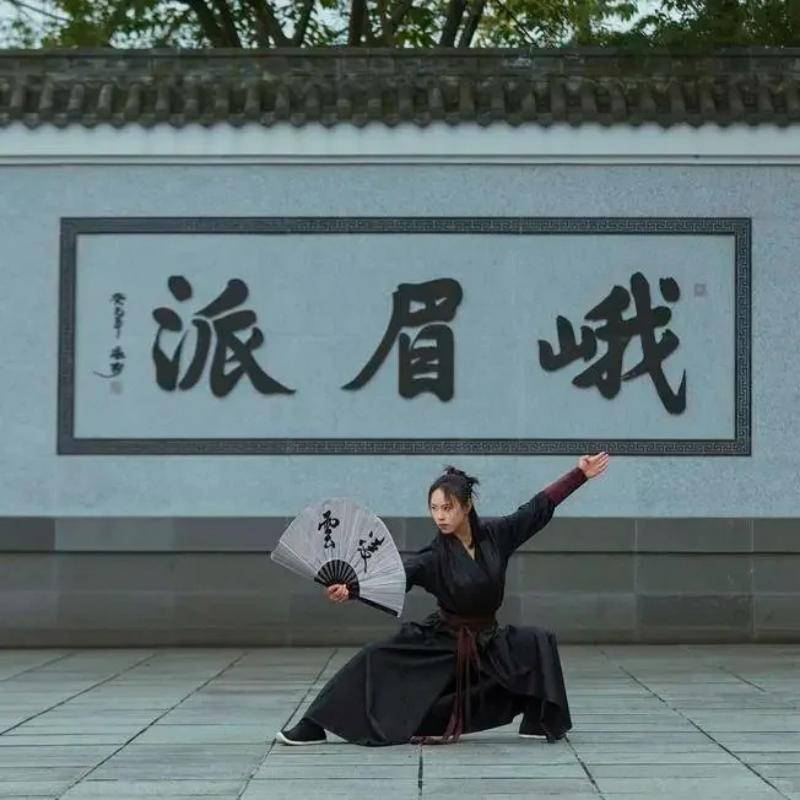
Emei Kung Fu| SICHUAN
Emei Kung Fu is one of China’s distinctive regional martial arts traditions, rooted in the cultural landscape surrounding Mt. Emei in Sichuan. Developed and passed on through generations of practitioners, Emei martial arts reflect a diverse local tradition shaped by both martial practice and the mountain environment.
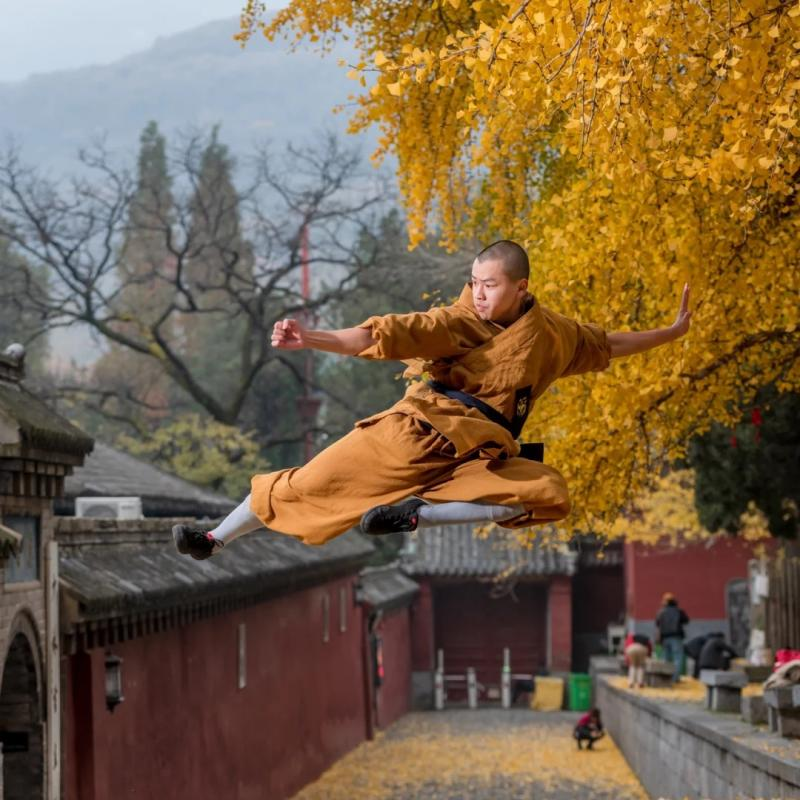
Shaolin Kung Fu|HENAN
Shaolin is one of the best-known names in Chinese martial arts, closely associated with Shaolin Temple and the Buddhist cultural landscape of Songshan in Henan. Its global influence has made Shaolin an important starting point for many travelers interested in the history, practice and development of Chinese Kung Fu.
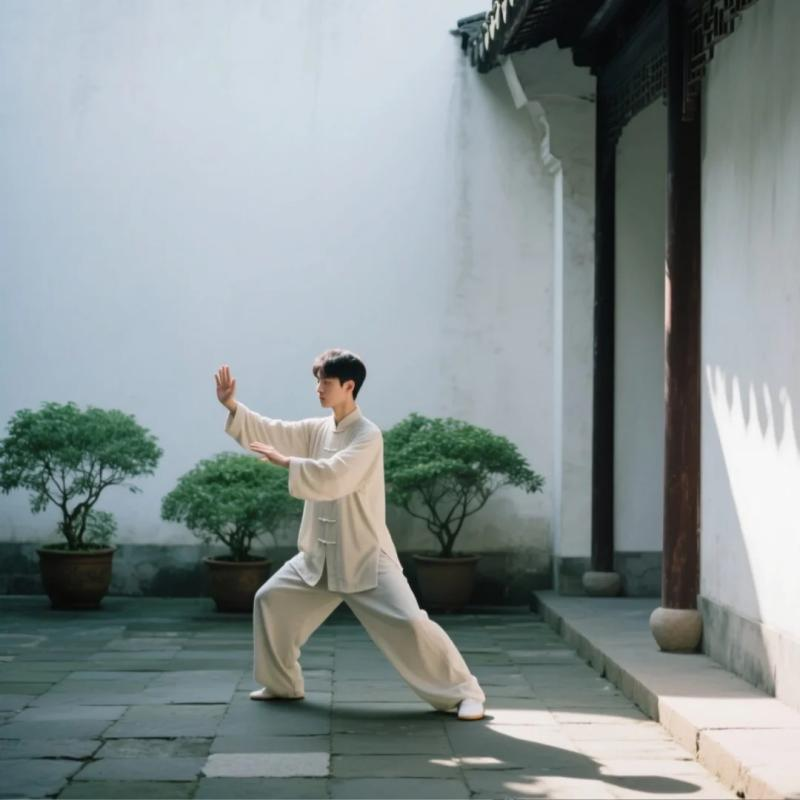
Taijiquan|HENAN
Wudang martial arts developed within the Daoist cultural environment of the Wudang Mountains and are widely associated with controlled movement, balance and internal practice. The combination of martial traditions, historic temples and mountain landscapes makes Wudang a distinctive part of China’s martial arts culture.
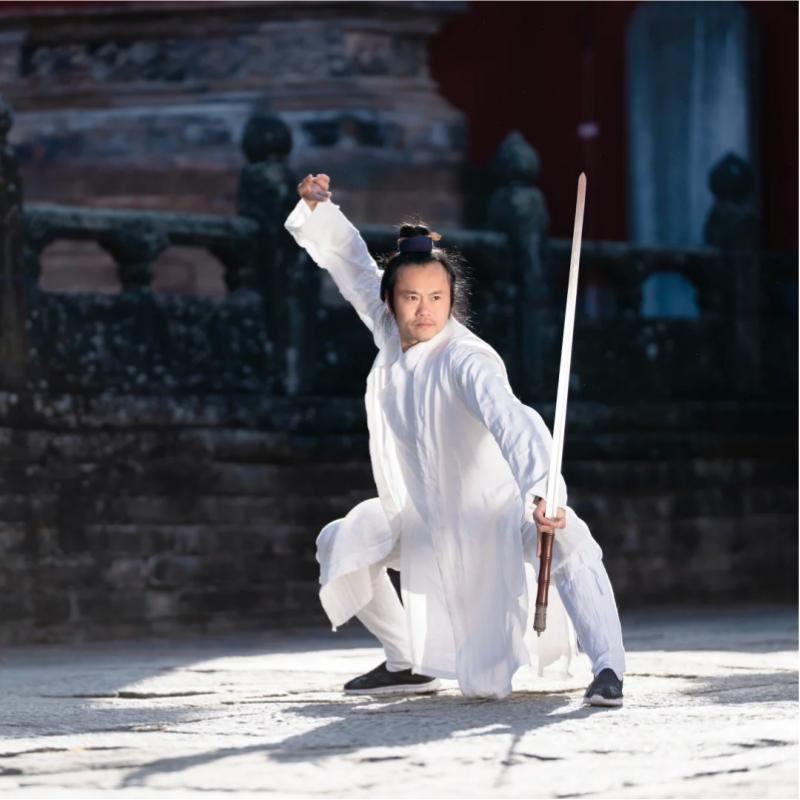
Wudang Martial Arts|HUBEI
Wudang martial arts developed within the Daoist cultural environment of the Wudang Mountains and are widely associated with controlled movement, balance and internal practice. The combination of martial traditions, historic temples and mountain landscapes makes Wudang a distinctive part of China’s martial arts culture.

Learning Emei Kung Fu
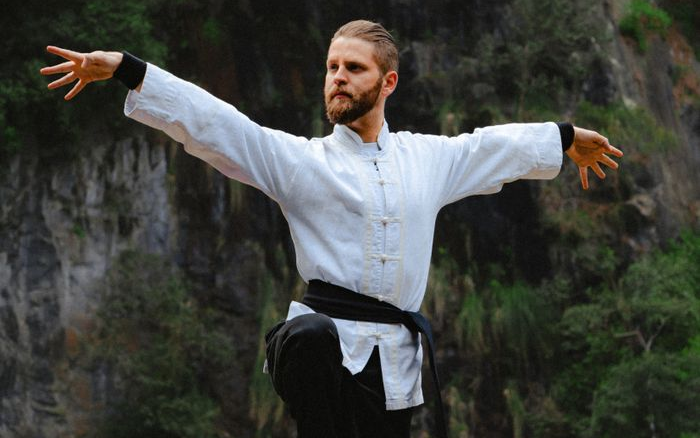
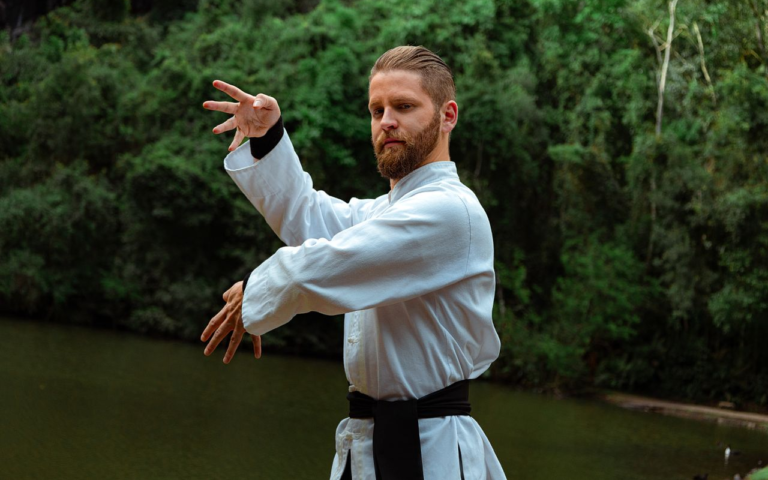
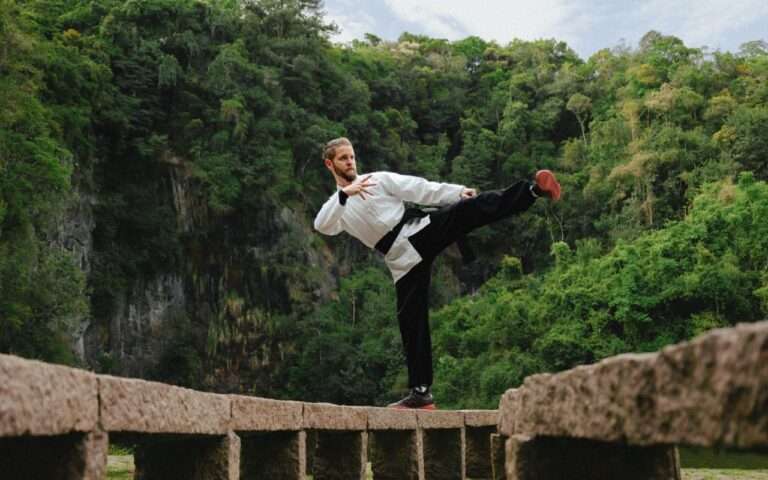
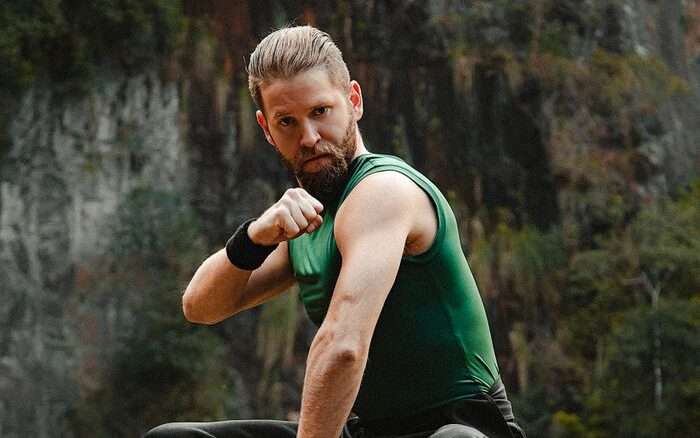
Watch one of Wang Hu’s international students demonstrate movements developed through his Emei Kung Fu training.
Frequently Asked Questions.
Kung Fu is commonly used outside China to describe Chinese martial arts, but it is not a single fighting style. China has many martial arts traditions shaped by different regions, teachers and communities, from Shaolin and Wudang to Emei and Taijiquan.
Learning Kung Fu usually begins with fundamentals such as stance, movement, coordination and technique before progressing into forms or more specialized practice. Learning directly with an experienced teacher also allows movements to be demonstrated and corrected as you practice.
Travelers do not need to commit to a long-term martial arts school to begin. A short experience in China can provide an introduction to the practice and the culture behind it.
Kung Fu is a long-term practice, and there is no fixed point at which it is completely “learned.” A few days can introduce fundamental movements, training methods and cultural context, while developing real proficiency requires consistent practice over a much longer period.
China has several established destinations for learning traditional martial arts, and the best place depends on the style and type of training you are looking for.
Dengfeng, Henan is the main destination for Shaolin Kung Fu. Around Songshan and the Shaolin Temple, travelers can find dedicated martial arts academies offering anything from short introductory programs to months of full-time training. Some established training centers accept international students and provide accommodation, meals and structured instruction.
Wudang Mountains, Hubei are better suited to travelers interested in Wudang martial arts, Taijiquan, Qigong and internal martial arts traditions. Several schools around Wudangshan accept international students for stays ranging from short programs to long-term study.
Mt. Emei, Sichuan offers a different experience. Rather than focusing only on residential martial arts-school training, Emei is well suited to travelers who want to combine martial arts with the mountain, local culture and the wider journey through Sichuan.
When choosing where to train, look beyond the name of the school. Consider the teacher’s lineage and experience, the actual style being taught, class size, training intensity, language support and whether the program is designed for short-term visitors or long-term students.
Like any physical skill, Kung Fu takes time and repetition. Beginners normally start with basic movements and progress gradually, so previous martial arts experience is not necessary for an introductory experience.
BEGIN YOUR KUNG FU JOURNEY
Ready to Experience Emei Kung Fu for Yourself?
Tell us when you plan to visit China and what you hope to experience. We’ll help you plan a private journey combining Emei Kung Fu, Mt. Emei and local culture.