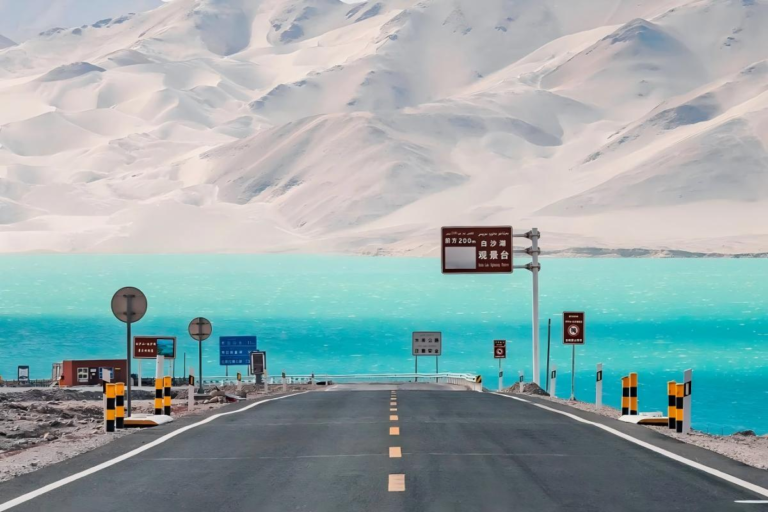
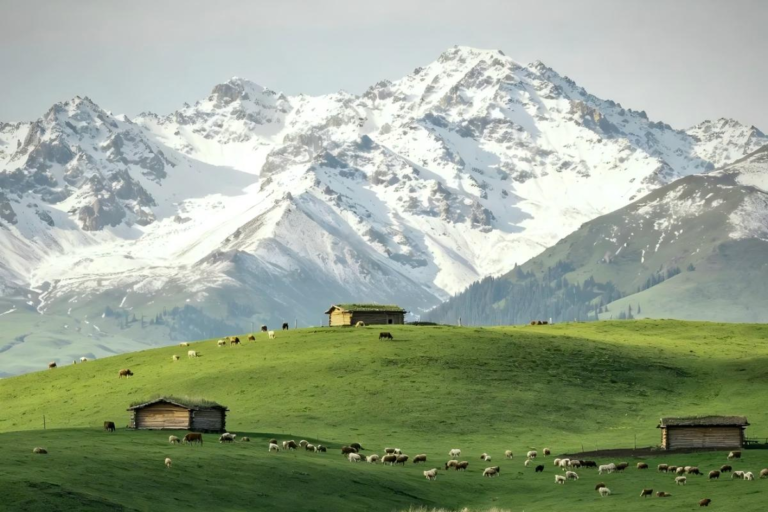
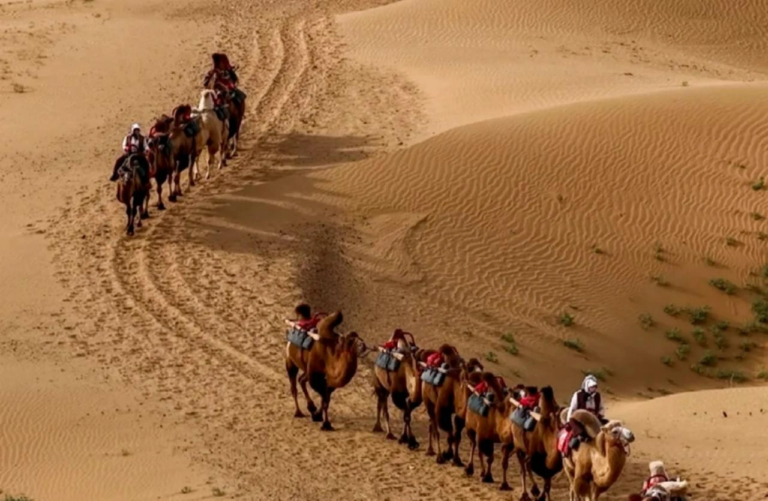
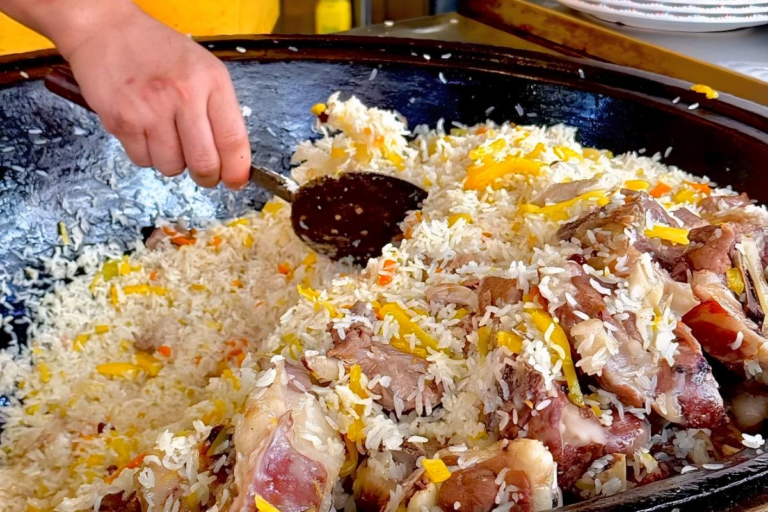
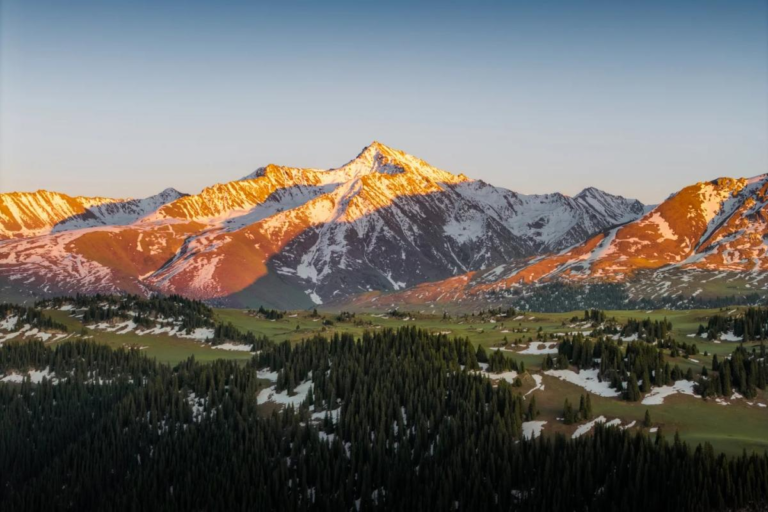
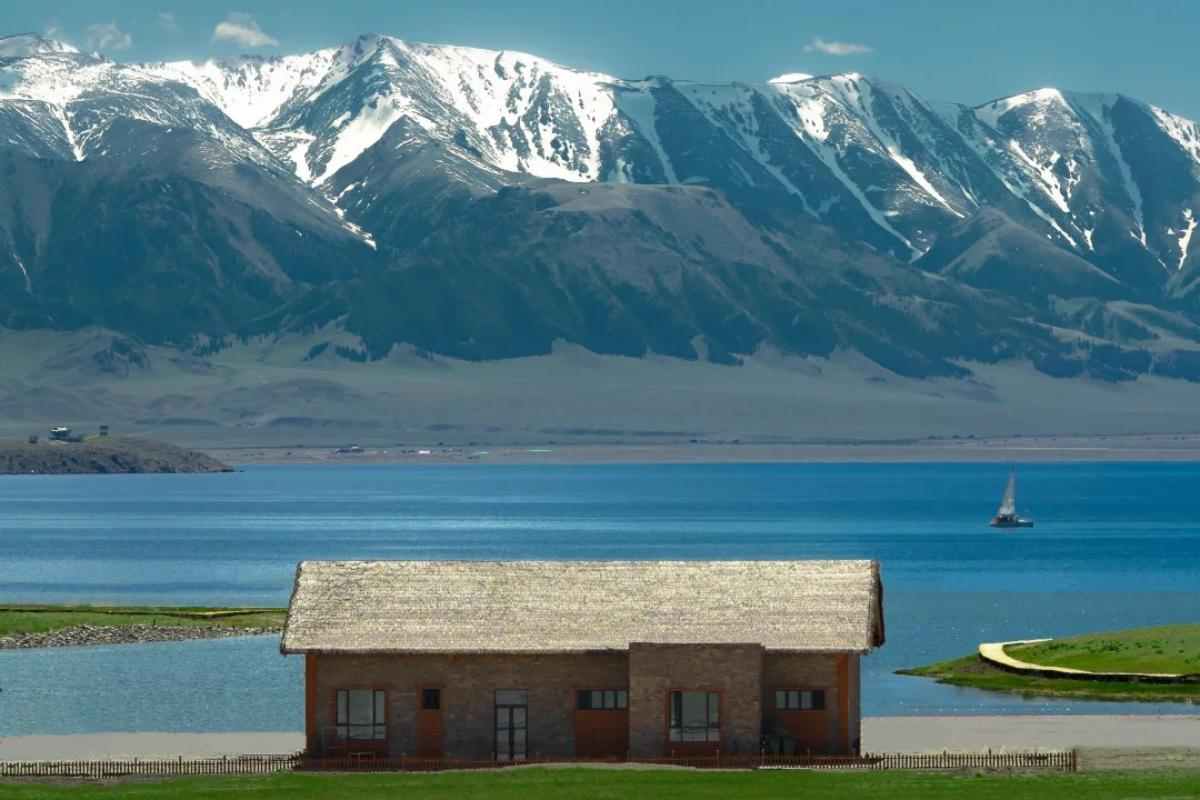
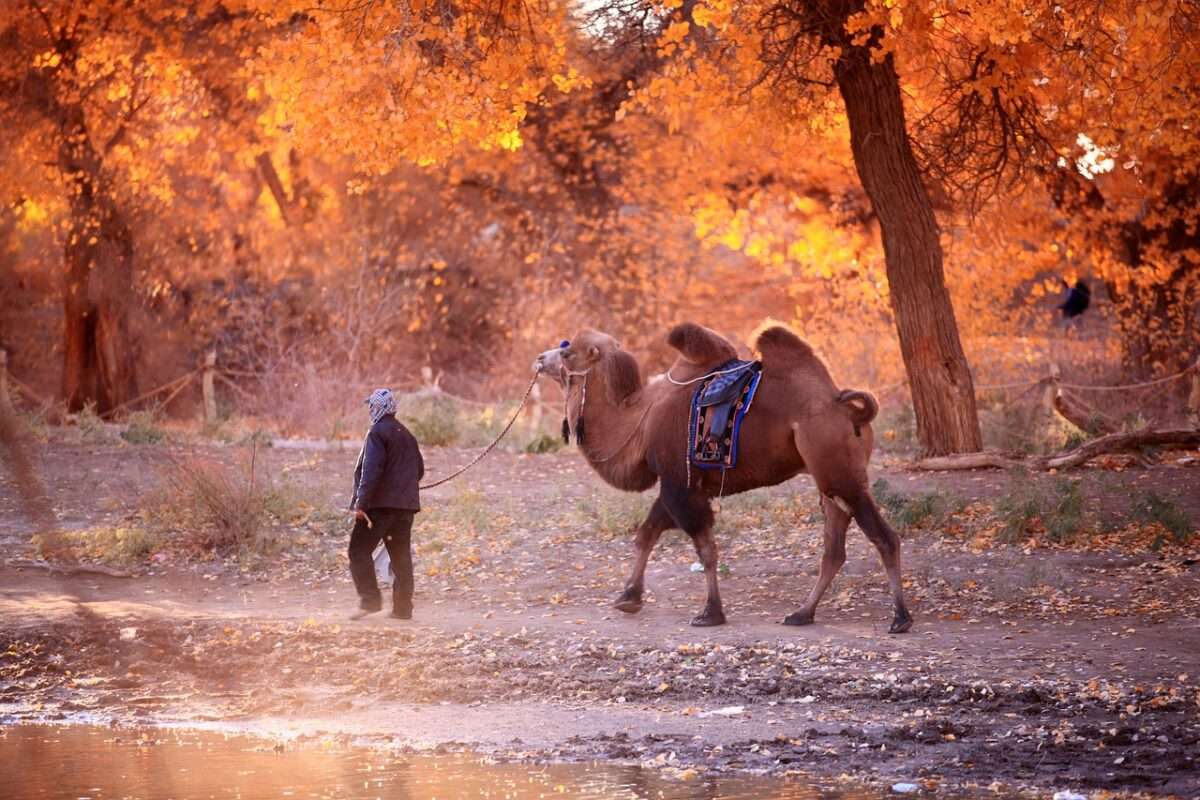
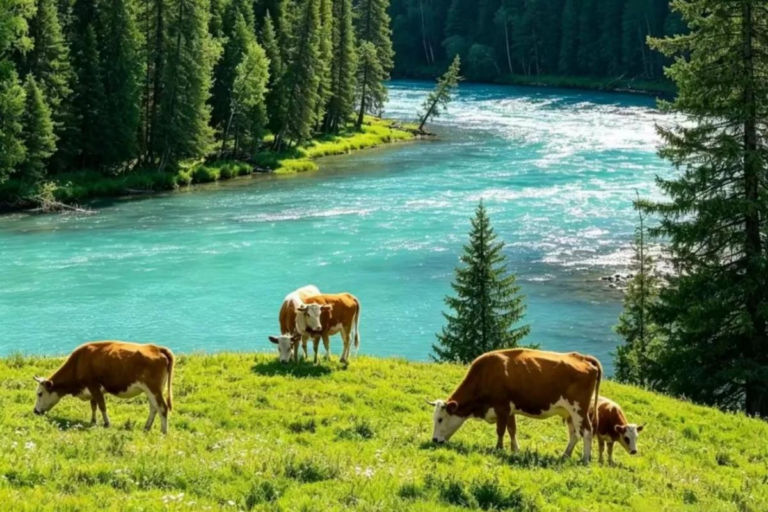
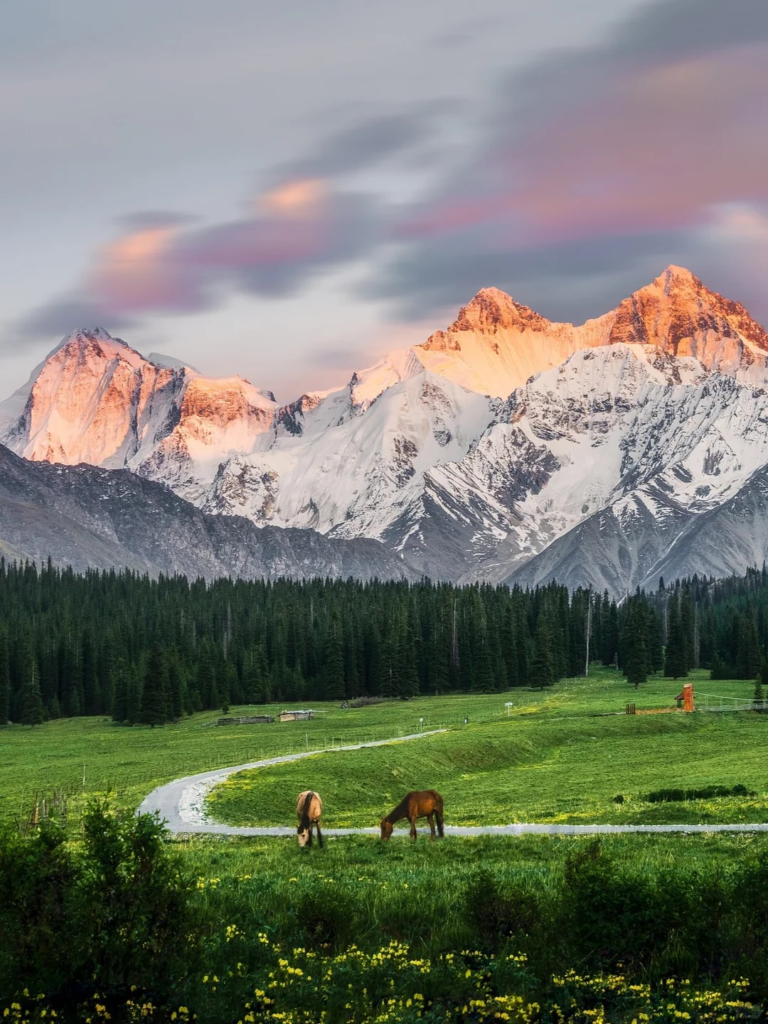
Xinjiang is where the ancient Silk Road meets some of China’s most spectacular landscapes. Snow-covered mountains, alpine lakes, grasslands and deserts stretch across a vast region shaped by centuries of cultural exchange.
From Kanas and the Ili Valley in the north to Kashgar and the Silk Road landscapes of the south, Xinjiang is made for longer journeys — combining remarkable scenery, diverse local cultures and some of China’s great road trips.
Epic Road Trips
Journey along Xinjiang’s most spectacular highways, crossing snow-capped mountains, vast grasslands, dramatic canyons, and endless desert landscapes.
Alpine Landscapes
Discover alpine lakes, rolling grasslands, and breathtaking mountain scenery that showcase the incredible natural beauty of northern Xinjiang.
Silk Road Culture
Walk through ancient Silk Road cities, lively bazaars, historic streets, and centuries of traditions that continue to shape local life today.
Local Life & Cuisine
Experience authentic Xinjiang through vibrant markets, regional cuisine, diverse cultures, and the welcoming hospitality of local communities.
Travel Information for Xinjiang
Essential information for planning a well-paced journey across one of China’s largest and most geographically diverse regions.
The best time depends on where you plan to travel. Northern Xinjiang is especially rewarding from late spring through autumn, while southern routes around Kashgar and the Silk Road can work across a broader travel season.
Xinjiang is vast, and long driving days are part of many journeys. A well-designed itinerary balances scenic road travel with enough time to explore each destination rather than simply moving from place to place.
Urumqi is the main gateway for many journeys through northern Xinjiang, while Kashgar is an important starting point for southern routes. Domestic flights can also help connect distant parts of the region.
Northern Xinjiang is known for alpine lakes, forests, grasslands and mountain scenery, while southern Xinjiang offers a stronger Silk Road focus through Kashgar, desert landscapes, historic towns and distinctive local cultures.
Xinjiang is particularly well suited to private road trips. Flexible transportation makes it easier to connect remote landscapes, adjust daily stops and experience places beyond the main sightseeing areas.
How Many Days Do You Need in Xinjiang?
Xinjiang’s enormous distances make travel time an important part of route planning. A longer journey allows you to explore fewer places more deeply rather than rushing between distant regions.
7–8 DAYS
A Focused Xinjiang Journey
Explore one part of the region, such as the Ili Valley and Sayram Lake or a focused journey around Kashgar and southern Xinjiang.
9–12 DAYS
A Classic Regional Journey
Travel deeper through northern or southern Xinjiang, combining major landscapes, local communities and some of the region’s great road journeys.
14+ DAYS
A Deeper Xinjiang Adventure
Slow the journey down, explore more remote areas and connect several landscapes and cultural regions without rushing long distances.
Northern or Southern Xinjiang?
Xinjiang offers very different travel experiences depending on which part of the region you explore.
NORTHERN XINJIANG
Travel through alpine landscapes around Kanas, Sayram Lake, the Ili Valley and the Tianshan Mountains, with forests, grasslands and some of Xinjiang’s most scenic road journeys.
Mountains, Lakes & Grasslands
Kanas · Sayram Lake · Ili Valley · Tianshan Mountains
SOUTHERN XINJIANG
Explore Kashgar and the historic Silk Road region through old towns, markets, desert landscapes, mountain roads and communities shaped by centuries of cultural exchange.
Tell us when you plan to travel, how many days you have and what you’d most like to experience. We’ll help you choose the right region, route and pace for your journey.