
The best time to hike Western Sichuan is not the same for every route. “May to October” is a useful general answer, but it is too broad if you are choosing between wildflowers, autumn forest, a frozen lake or a high mountain pass.
This seasonal guide compares seven PandaRoaming trekking routes so you can match your travel month with the landscape you actually want to see.
March-April: Spring at Lower Elevations, Winter Higher Up
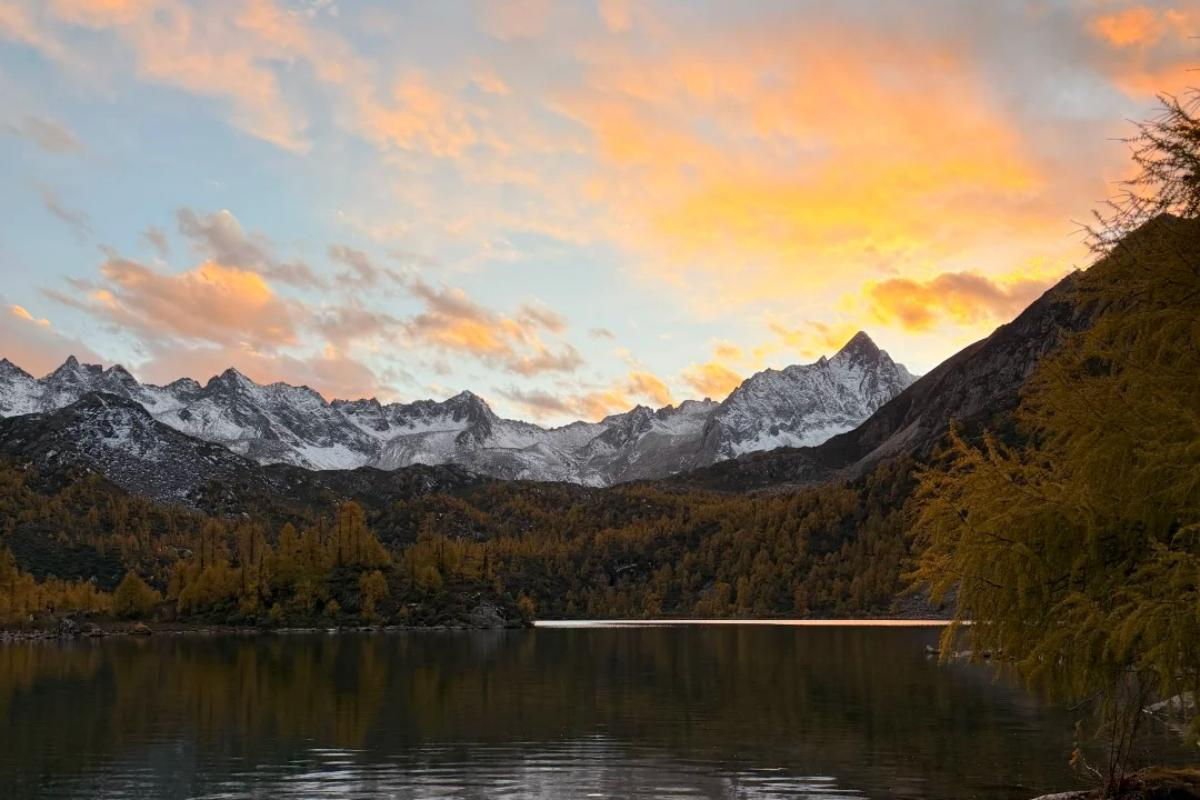
Early spring is a transition period. Lower valleys begin to warm while high mountains can remain snowy. This can be visually beautiful, but conditions on high passes are less predictable than in the main trekking season.
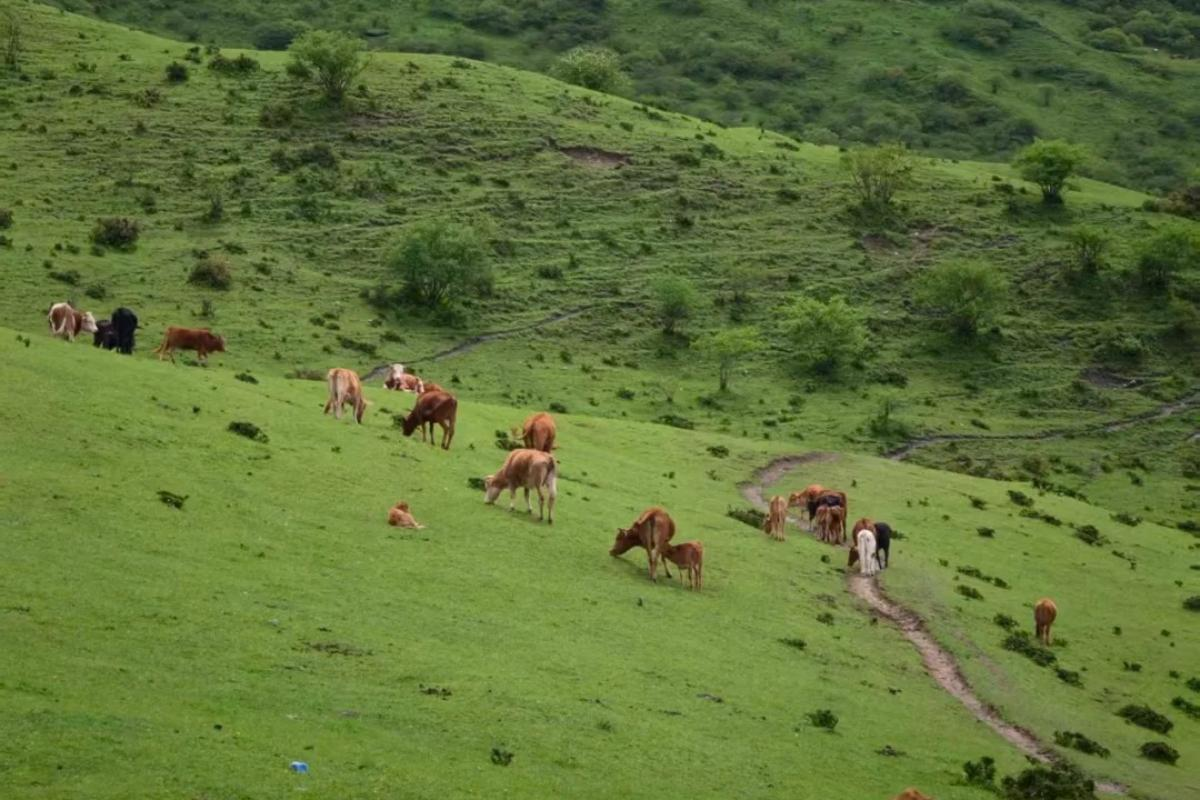
Good choices: selected short routes such as Huajianshan as conditions improve; Yemahaizi can still retain a winter character. For a high-pass crossing, confirm snow and trail conditions close to departure rather than relying only on the calendar.
May-June: One of the Best All-Round Windows
Late spring and early summer open the main trekking season for many high-altitude routes. Meadows become greener, flowers begin appearing and daytime temperatures are generally more comfortable than in winter.
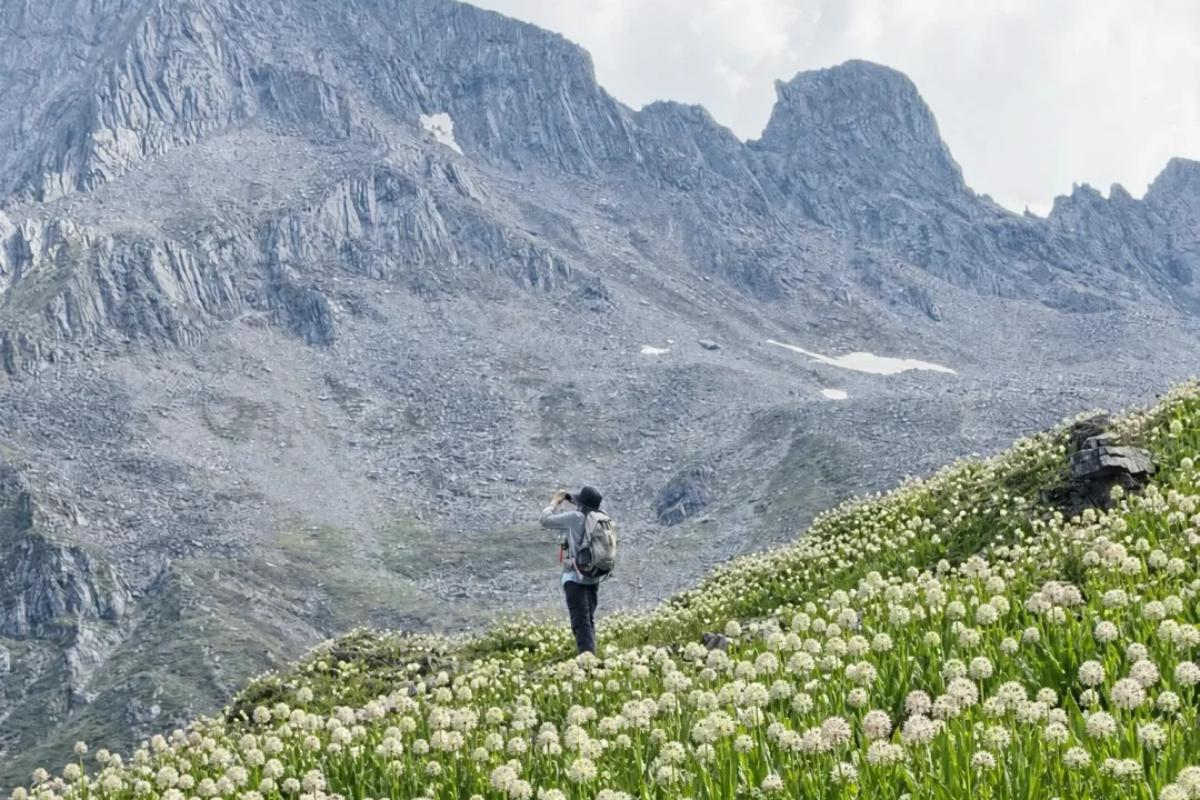
Strong choices: Langkazhi Xin, Qizanggou, Dangling, Leduomanyin and Changping Valley-Bipenggou, subject to current conditions. If you want green landscapes without the peak of summer rain, this is one of the easiest periods to recommend.
July-August: Wildflowers, Green Valleys and More Rain
Summer produces some of Western Sichuan’s lushest scenery. Alpine meadows can be intensely green and flower-rich, making Leduomanyin and other meadow routes particularly photogenic.
The trade-off is rain. Cloud can hide mountain views, roads can be slower and afternoon weather can change quickly. A summer itinerary should include flexibility rather than promising a perfect sunrise or clear summit every day.
September: A Strong Month for Serious Trekking
September is one of the most balanced months for Western Sichuan hiking. Many high routes remain accessible, the landscape is still green in places and autumn begins to appear at higher elevations.
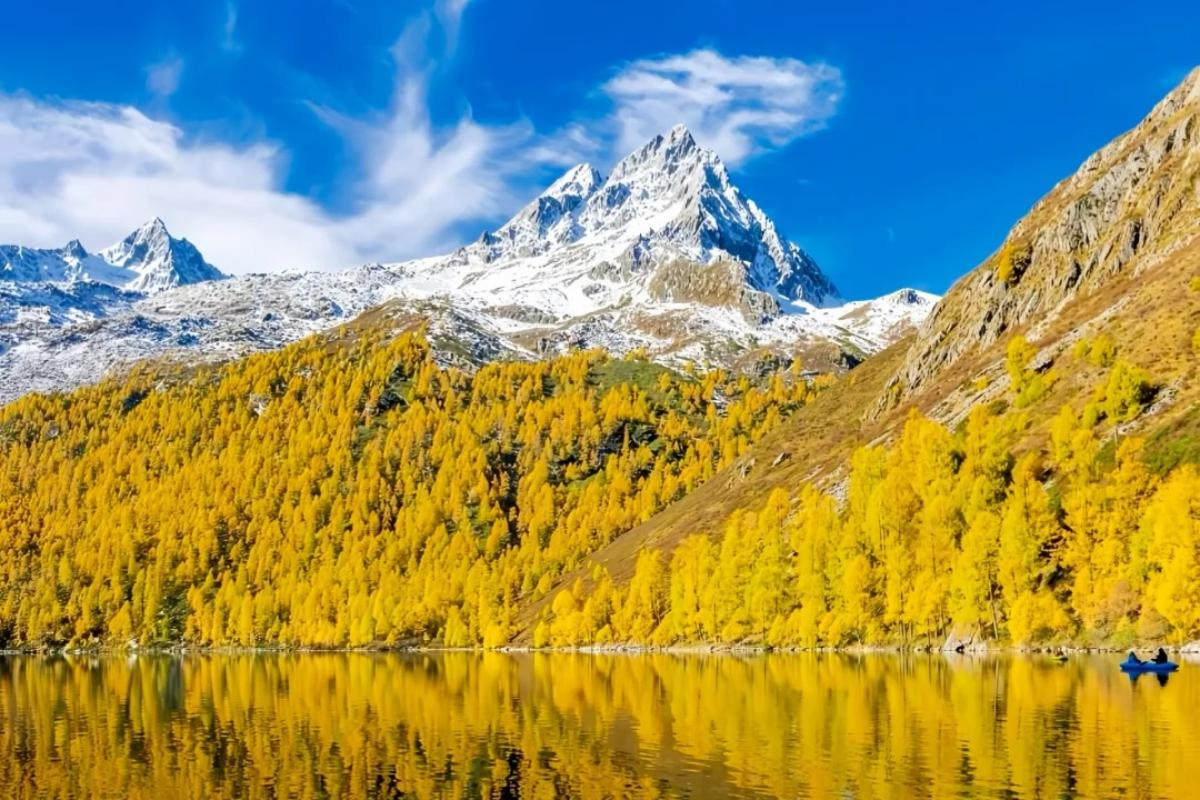
For travelers who want a multi-day trek without committing specifically to autumn color, September is often an excellent compromise between trail access, scenery and temperature.
October: Best for Autumn Photography
October is the standout month for routes where forest color matters. Dangling is the clearest example: golden and orange foliage can transform the valleys beneath snow mountains and alpine lakes.
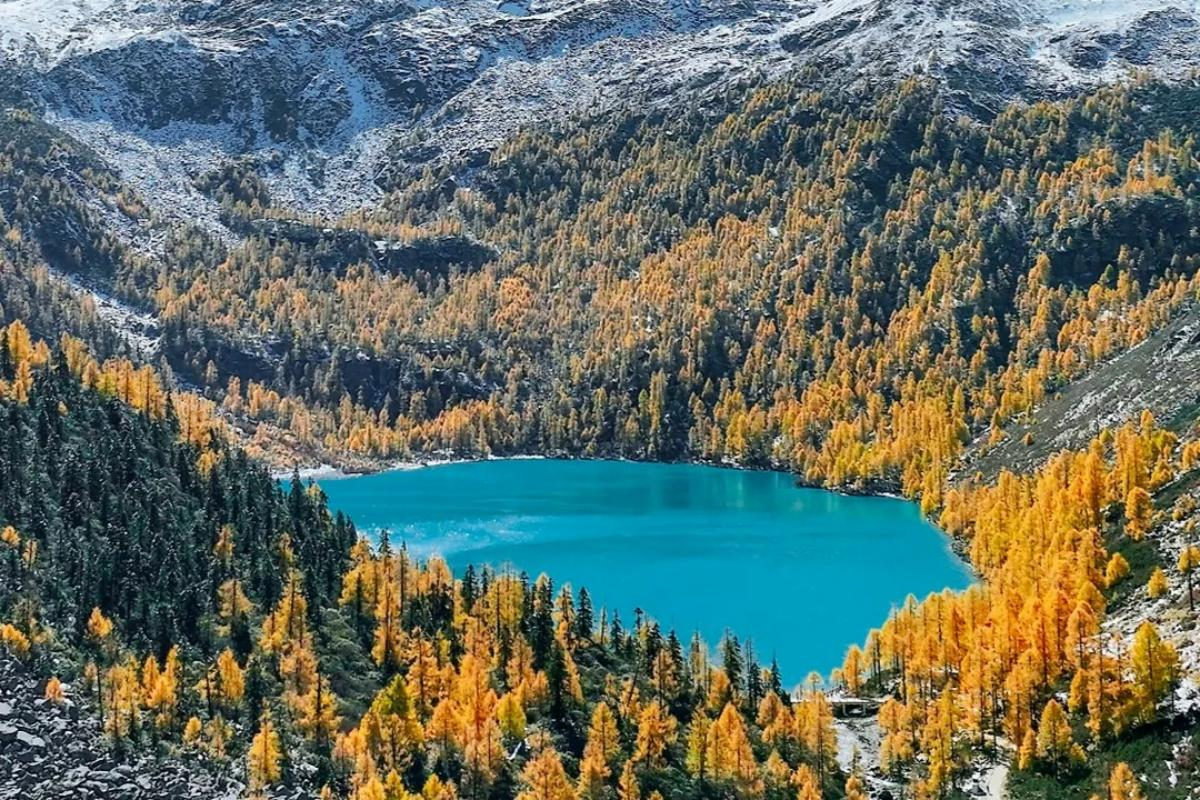
Qizanggou can also be beautiful in autumn, while Leduomanyin and the Changping-Bipenggou crossing may still be possible earlier in the month depending on weather. Nights become colder quickly, so sleeping systems and warm layers matter.
International travelers should also remember that the first week of October overlaps with China’s National Day holiday period, when roads, hotels and major scenic areas can be much busier.
November-February: Choose a Route Designed for Winter
Winter should not be treated as a failed version of summer. If you travel in the cold season, choose a route whose scenery becomes more interesting with snow and ice.
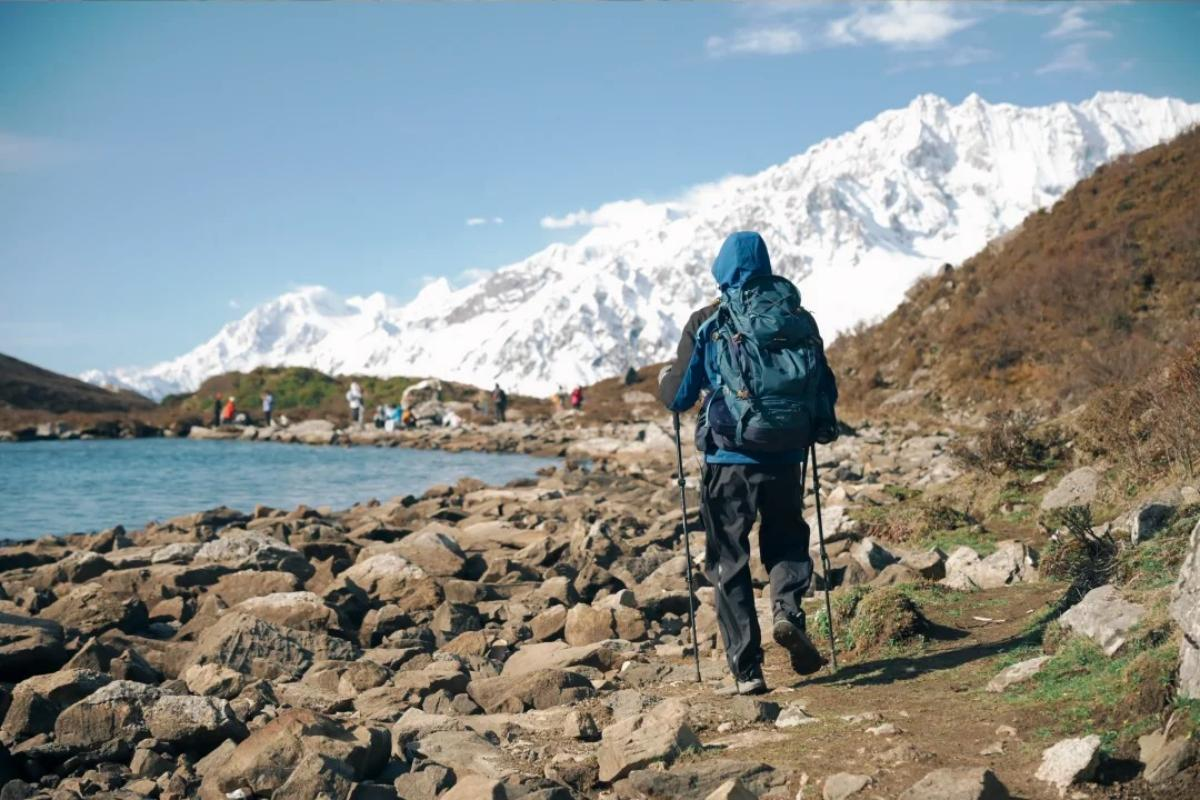
Yemahaizi is the clearest fit in this group because the frozen lake and snow landscape are part of the attraction. Trying to force a high-pass summer trek into winter conditions is a different proposition and may require more technical equipment, experience or route changes.
Best Season for Each Route
- Yemahaizi: October-April for the frozen-lake experience.
- Langkazhi Xin: May-October, with stable weather and proper acclimatization.
- Huajianshan: roughly April-November for sunrise and cloud-sea photography.
- Qizanggou: May-October; September-October are especially attractive for seasonal color.
- Dangling: May-October; autumn is the signature photography season.
- Leduomanyin: May-October; summer for flowers, early autumn for clearer mountain atmosphere.
- Changping Valley-Bipenggou: spring to autumn, but the high pass must be checked against current snow and weather.
What If You Can Choose Any Month?
For a first Western Sichuan trek, late May-June and September-October are the most versatile periods. Choose summer if wildflowers and green meadows are your priority and you accept more rain. Choose October if autumn photography is the main goal. Choose winter only for routes designed around winter scenery.
Season Is Only One Part of the Decision
Altitude, fitness, road access, accommodation and the type of landscape you want matter just as much as the month. Western Sichuan is a high mountain region, so conditions can change faster than a seasonal chart suggests.
Explore PandaRoaming’s Hiking & Trekking Adventures. Tell us your travel month and hiking background, and we can narrow the routes to the ones that make sense for that season.

1 thought on “Best Time to Hike Western Sichuan: 7 Routes Compared by Season”
The content is really great