
Tibet
Tibet is one of China’s most extraordinary high-altitude destinations, shaped by Himalayan landscapes, Tibetan Buddhist culture and centuries-old monasteries. From Lhasa and Yamdrok Lake to Namtso and Everest, journeys here combine remarkable landscapes with a deeply rooted living culture.
Travel in Tibet requires more planning than most destinations in China, particularly for international visitors. Permits, altitude, travel routes and local arrangements should all be considered before your journey begins.
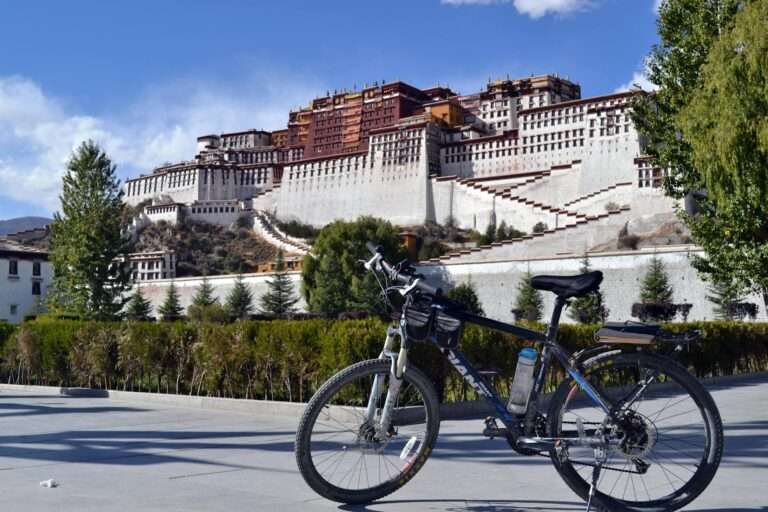
Potala Palace & Sacred Landmarks
Discover Tibet’s most iconic architectural and spiritual landmarks, where centuries of history, faith, and Tibetan identity are reflected in every detail.
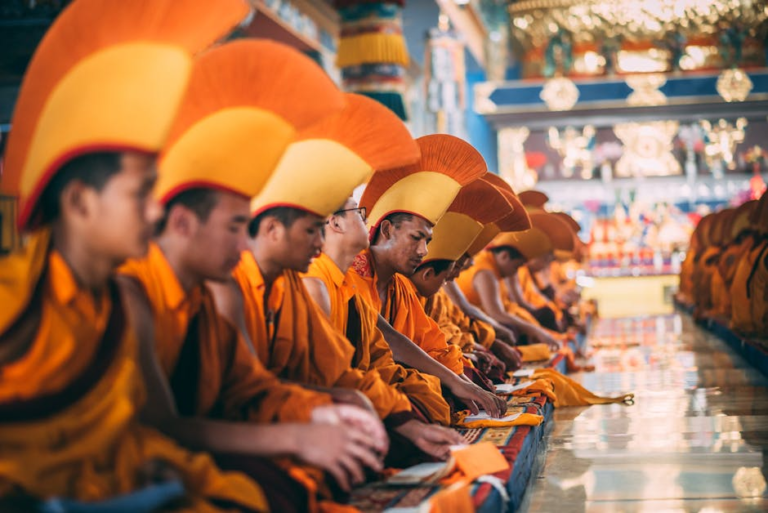
Ancient Monasteries & Spiritual Traditions
Explore historic monasteries, prayer halls, and sacred pilgrimage routes that reveal the deep spiritual foundations of Tibetan Buddhism.
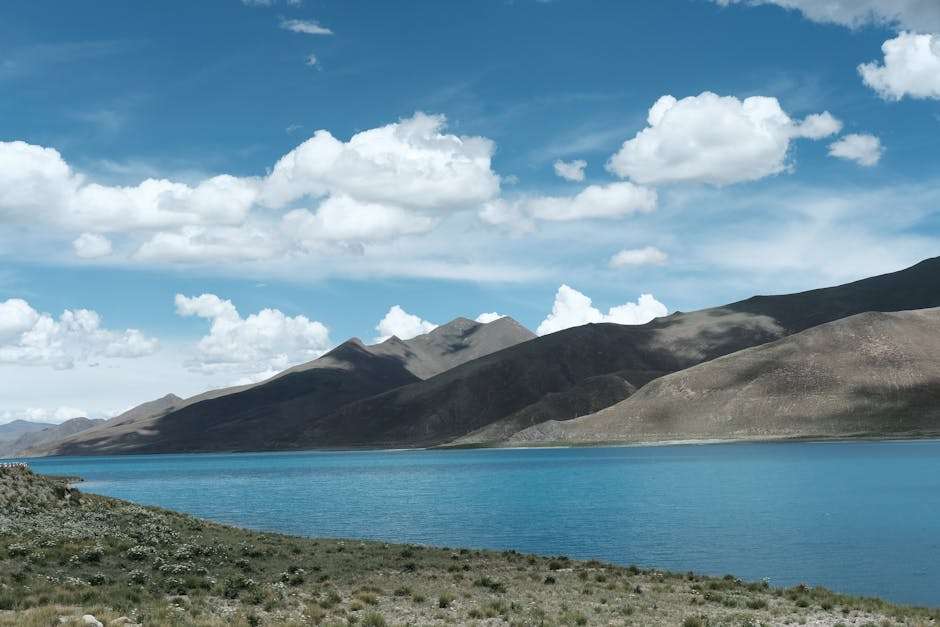
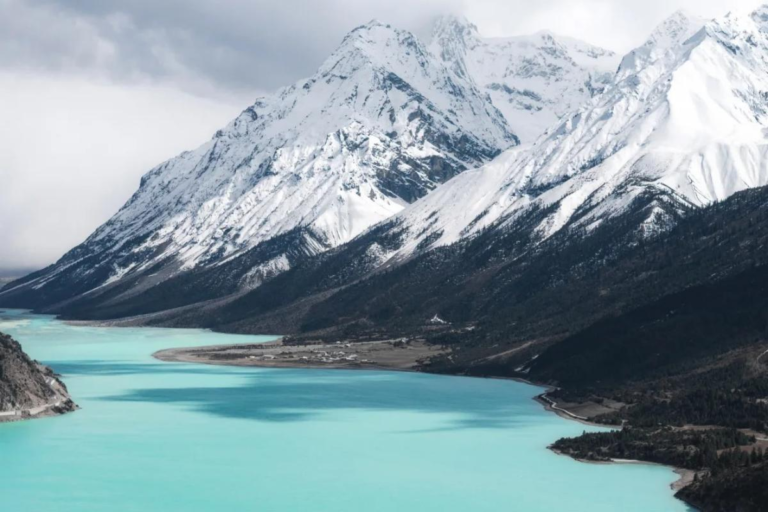
Namtso Lake & Himalayan Landscapes
Journey across vast highland plains to sacred lakes, snow-covered peaks, and some of the most breathtaking alpine scenery on the Tibetan Plateau.
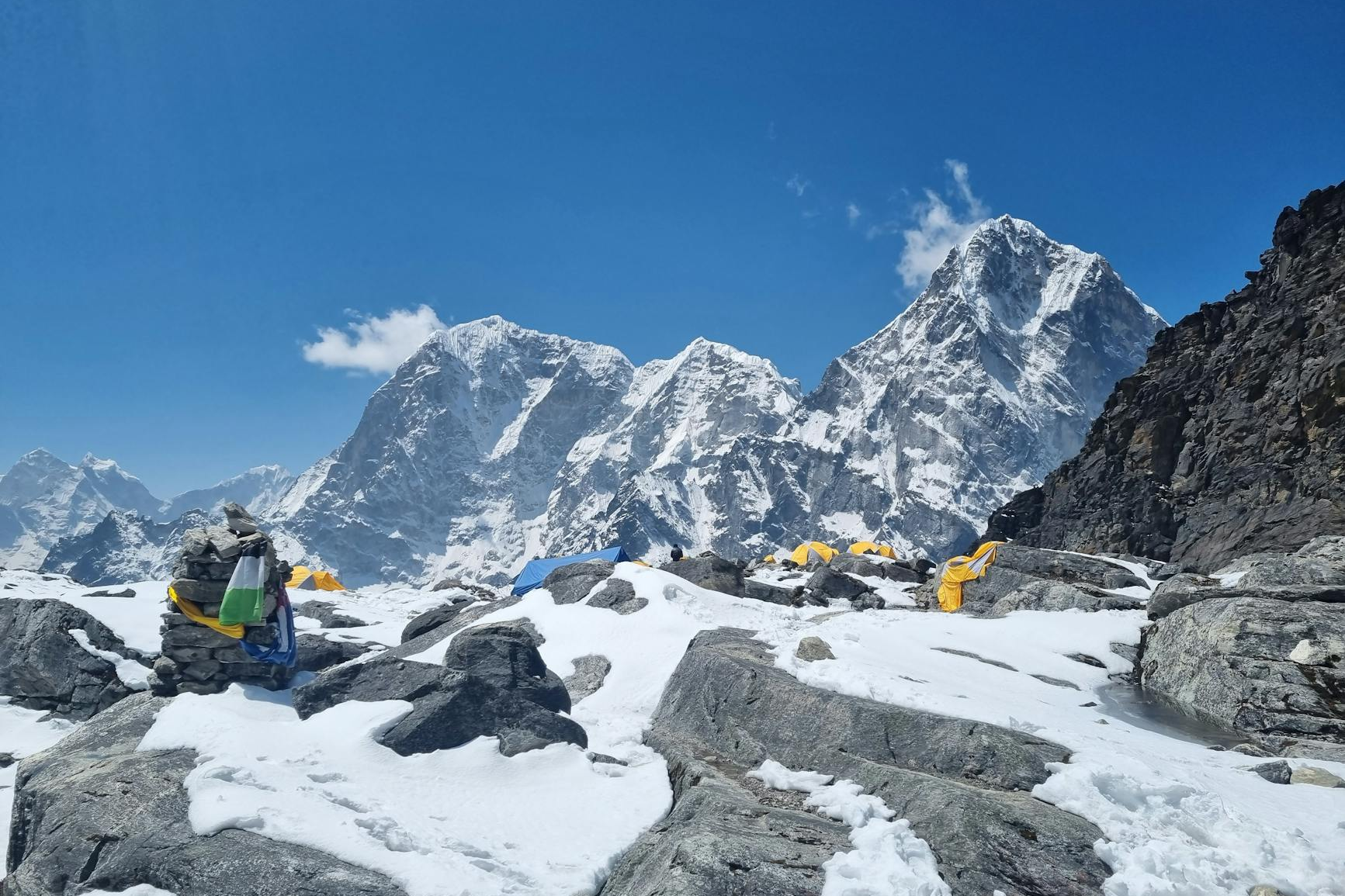
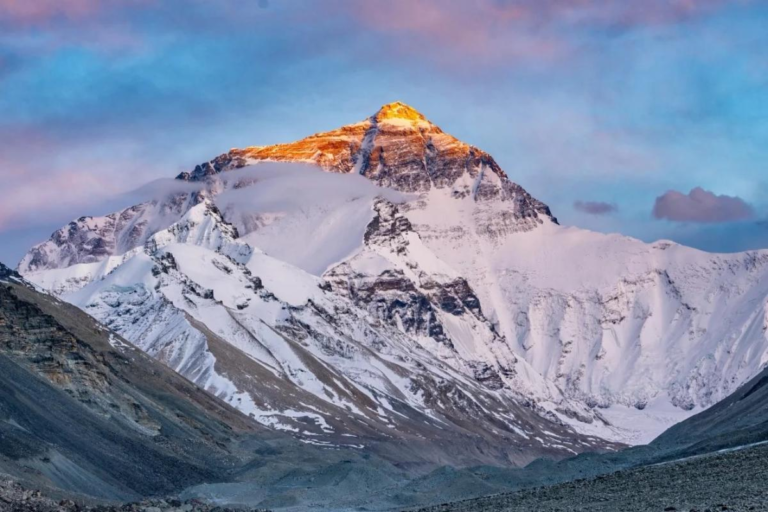
Everest Base Camp Experience
Stand before the world’s highest mountain and experience the immense scale, silence, and raw beauty of the Himalayas from the Tibetan side of Everest Base Camp.
Travel Information for Tibet
Essential information for planning a comfortable and well-paced journey across the Tibetan Plateau.
Spring through autumn is the main travel period for many Tibet routes, while conditions vary significantly by altitude and destination. Summer brings greener plateau landscapes, and autumn often offers clearer mountain views.
Lhasa sits at approximately 3,650 m, and many journeys continue above 4,000 m. A slower first few days and gradual altitude gain are important before traveling toward higher areas.
Most international travelers enter Tibet through major Chinese cities before continuing to Lhasa by air or train. The best option depends on your wider China itinerary, available time and permit arrangements.
International travelers require a Tibet Travel Permit, while some routes may involve additional documentation. Permit requirements should be confirmed after your itinerary is finalized.
Tibet journeys are best planned at a slower pace, allowing time for altitude adjustment, long-distance driving and meaningful visits to monasteries, villages and natural landscapes.
5. How Many Days Do You Need in Tibet?
Tibet covers a vast high-altitude region, so journey length depends heavily on how far you want to travel beyond Lhasa. More time also allows for a slower pace and better altitude adjustment.
4–5 DAYS
Lhasa & Nearby Highlights
Explore Lhasa’s major cultural sites and add nearby landscapes or monasteries without traveling too far across the plateau.
7–8 DAYS
Lhasa to Everest
Travel from Lhasa across the Tibetan Plateau toward Shigatse and Everest, combining monasteries, lakes and Himalayan landscapes.
9–12 DAYS
A Deeper Tibet Journey
Slow the journey down and explore more of Tibet’s remote landscapes, monasteries and high-altitude regions beyond the classic route.
Tibet Tours & Journeys
Explore carefully planned journeys through Tibet, from Lhasa and Nyingchi to Everest and deeper routes across the Tibetan Plateau.
Traveling at High Altitude in Tibet
Altitude is part of every Tibet journey. A well-designed route should allow your body time to adjust before traveling into higher and more remote areas.
ACCLIMATIZATION
Allow time to rest and acclimatize during the first days before continuing to higher elevations.
ROUTE PLANNING
A well-paced route avoids unnecessary rushing and allows more time to adjust as elevations increase.
LOCAL SUPPORT
Experienced local teams help manage long journeys, changing conditions and the practical challenges of high-altitude travel.
PLAN YOUR TIBET JOURNEY
Ready to Explore Tibet?
Tell us when you plan to travel and where you hope to go. We’ll help you plan your route, pace and required travel arrangements for a private journey through Tibet.