Chengdu is the gateway to Sichuan and one of China’s most enjoyable cities to explore at a slower pace. Giant pandas, Sichuan cuisine, traditional tea houses and lively neighborhoods sit alongside temples, parks and a deeply rooted local culture.
Beyond the city, Chengdu is also a convenient starting point for journeys to Mt. Emei, Leshan, Jiuzhaigou and the mountains of Western Sichuan.
Giant Pandas & Conservation
Visit Chengdu Panda Base or Dujiangyan Panda Valley to see giant pandas in a more meaningful way, especially in the morning when they are most active. Travelers can learn about panda conservation, breeding programs, and why Sichuan remains the heart of China’s giant panda habitat.
Sichuan Food & Local Markets
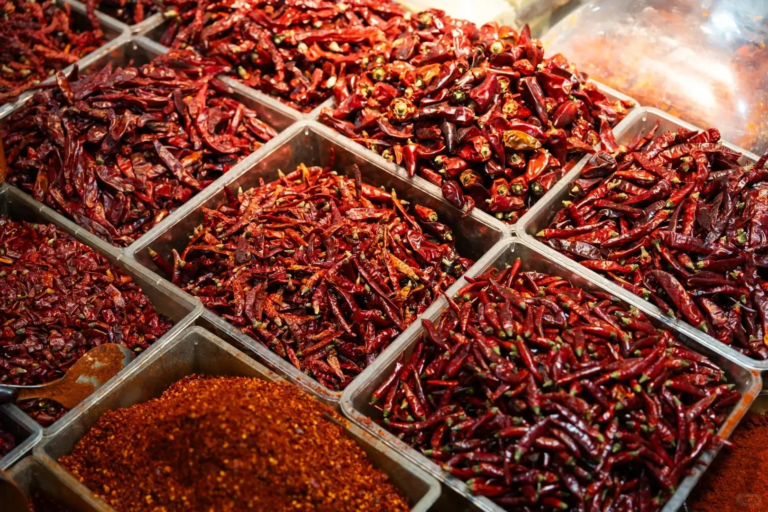
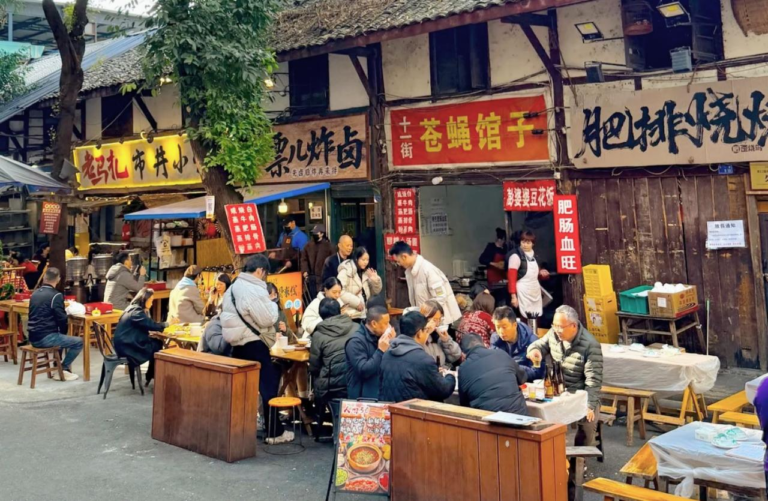
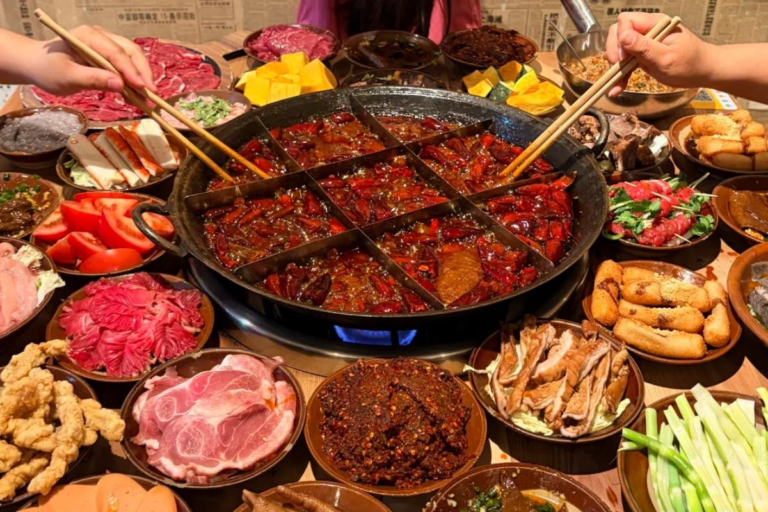
Explore Chengdu through its food culture, from local markets and family-run restaurants to hotpot, noodles, snacks, and hidden eateries. Discover Sichuan cuisine beyond “spicy food” — the balance of chili, Sichuan pepper, mala flavor, aroma, texture, and local traditions. Experience how peppercorns create the signature numbing sensation of Sichuan flavors.
Tea Houses & Everyday Chengdu Life
Spend time in traditional tea houses such as People’s Park, where locals drink tea, play mahjong, chat, and relax for hours. Listen to Sichuan dialect and experience Chengdu’s authentic daily life, one of the most memorable parts of the city beyond staged tourist experiences.
UNESCO Heritage & Cultural Day Trips
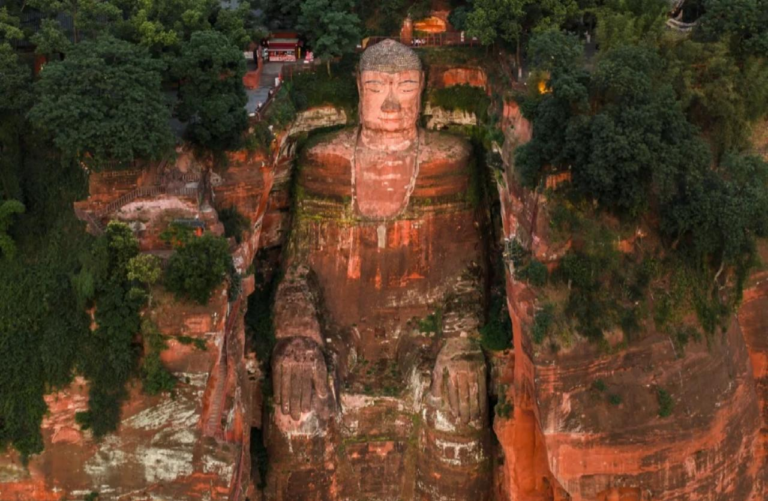
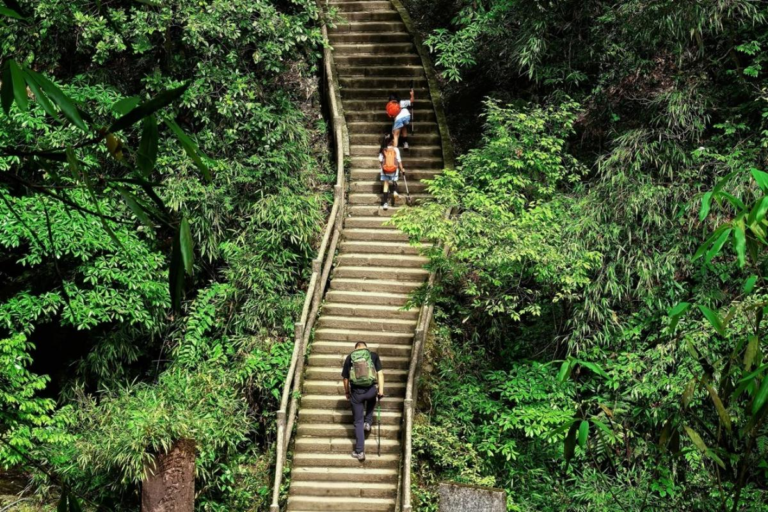
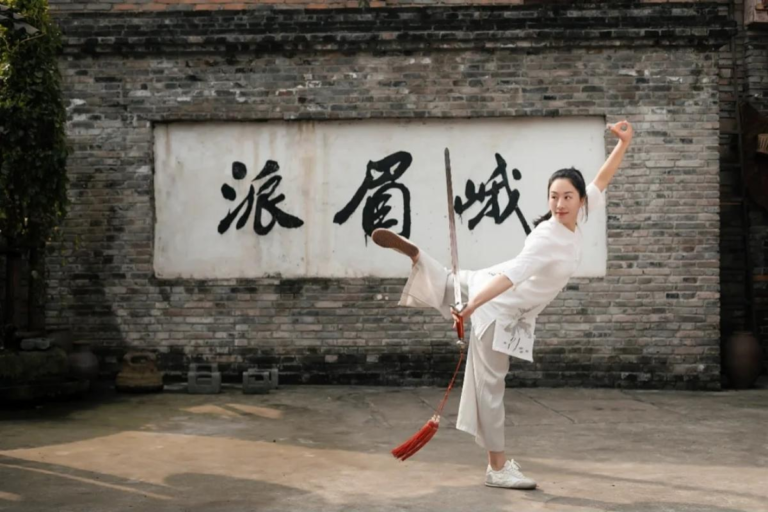
Explore Chengdu through nearby UNESCO heritage sites and cultural landmarks, including Leshan Giant Buddha, Dujiangyan Irrigation System, Mount Qingcheng, and Mount Emei. These destinations reveal Sichuan’s Buddhist traditions, Taoist philosophy, ancient engineering achievements, and sacred mountain landscapes.
Chengdu can be visited year-round. Spring and autumn generally offer comfortable conditions for city exploration, while summer is warmer and more humid and winter is cooler and often cloudy.
Allow at least 2–3 days for Chengdu itself. This gives you time for giant pandas, local food, tea-house culture and some of the city’s main cultural sights. Add extra days if you plan to visit nearby destinations.
Metro, taxis and ride-hailing make central Chengdu easy to explore. Private transportation is more convenient for panda bases, day trips and destinations outside the city center.
Chengdu is the main gateway to Western Sichuan. Private road journeys can connect the city with Mt. Siguniang, Danba, Tagong, Xinduqiao and deeper areas of Kham.
Leshan Giant Buddha, Dujiangyan, Mt. Qingcheng and other nearby destinations can be visited as day trips or combined into a longer Sichuan journey.
How Many Days Do You Need in Chengdu?
Chengdu works well as a short city stop or as the beginning of a longer Sichuan journey. The right stay depends on how deeply you want to explore the city and whether you plan to travel beyond it.
1–2 DAYS
Chengdu Essentials
Focus on giant pandas, Sichuan food and one or two cultural areas for a compact introduction to the city.
3–4 DAYS
Experience Chengdu at a Slower Pace
Add tea houses, local neighborhoods, markets and more time to experience the everyday culture behind the city.
5+ DAYS
Chengdu & Beyond
Combine the city with nearby destinations such as Leshan, Dujiangyan or Mt. Qingcheng, or continue into Western Sichuan.
Chengdu Tours & Experiences
Explore Chengdu with flexible private or group travel arrangements, accompanied by our professional English-speaking guides and experienced local teams. From solo travelers to small groups and larger customized journeys, each experience is thoughtfully adapted to your interests and travel pace.
Tell us when you plan to visit and what you’d most like to experience. We’ll help you create a private Chengdu journey around your interests and travel style.