
Wildlife of Sichuan & Western China
Western China is one of the most biologically diverse regions in Asia, where the eastern edge of the Tibetan Plateau meets ancient forests, alpine meadows, and some of the continent’s most remote mountain ecosystems.
This region is internationally recognized for its rare and endemic wildlife, including Giant Pandas, Red Pandas, Golden Snub-Nosed Monkeys, Takins, Blue Sheep, and the elusive Snow Leopard. Many of these species are specially adapted to high-altitude environments and can only be found within a limited range across Sichuan and the Tibetan Plateau.
For wildlife enthusiasts, photographers, and nature-focused travelers, Western China offers a very different experience from traditional safari destinations. Encounters here are shaped by season, altitude, habitat, and patience — whether watching Himalayan vultures circle above Tibetan valleys or spotting a red panda hidden deep within alpine forests.
Our journeys are designed for travelers who want to experience not only the wildlife itself, but also the extraordinary landscapes and ecosystems that make Western China one of the world’s most unique natural regions.

Giant Panda
The Giant Panda is the most iconic wildlife species in China and one of the world’s most recognized conservation symbols. Native to the mountain forests of Sichuan, pandas rely on dense bamboo ecosystems and cool high-altitude habitats. While wild pandas are rarely seen, visitors can explore leading panda conservation centers near Chengdu and Dujiangyan.
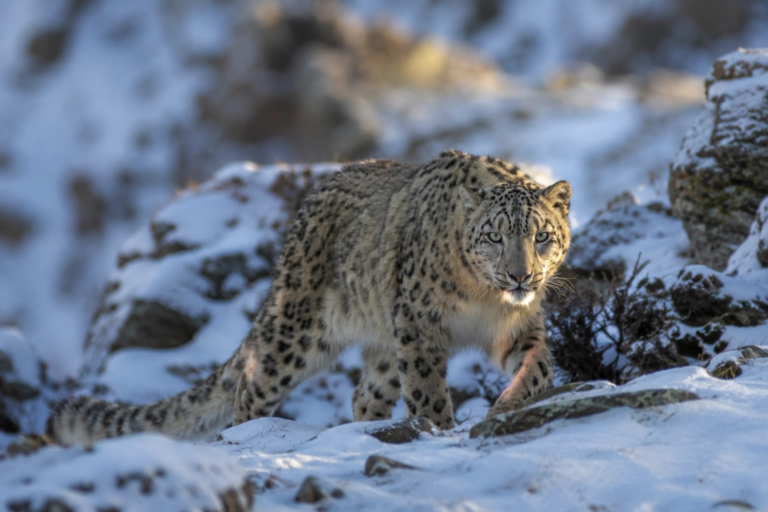
Snow Leopard
The Snow Leopard is one of the rarest and most elusive big cats in the world. Found in remote high-altitude regions of the Tibetan Plateau, these predators inhabit rugged mountain landscapes often above 4,000 meters. Although sightings are extremely rare, their presence remains one of the greatest attractions for wildlife expeditions in Western China.
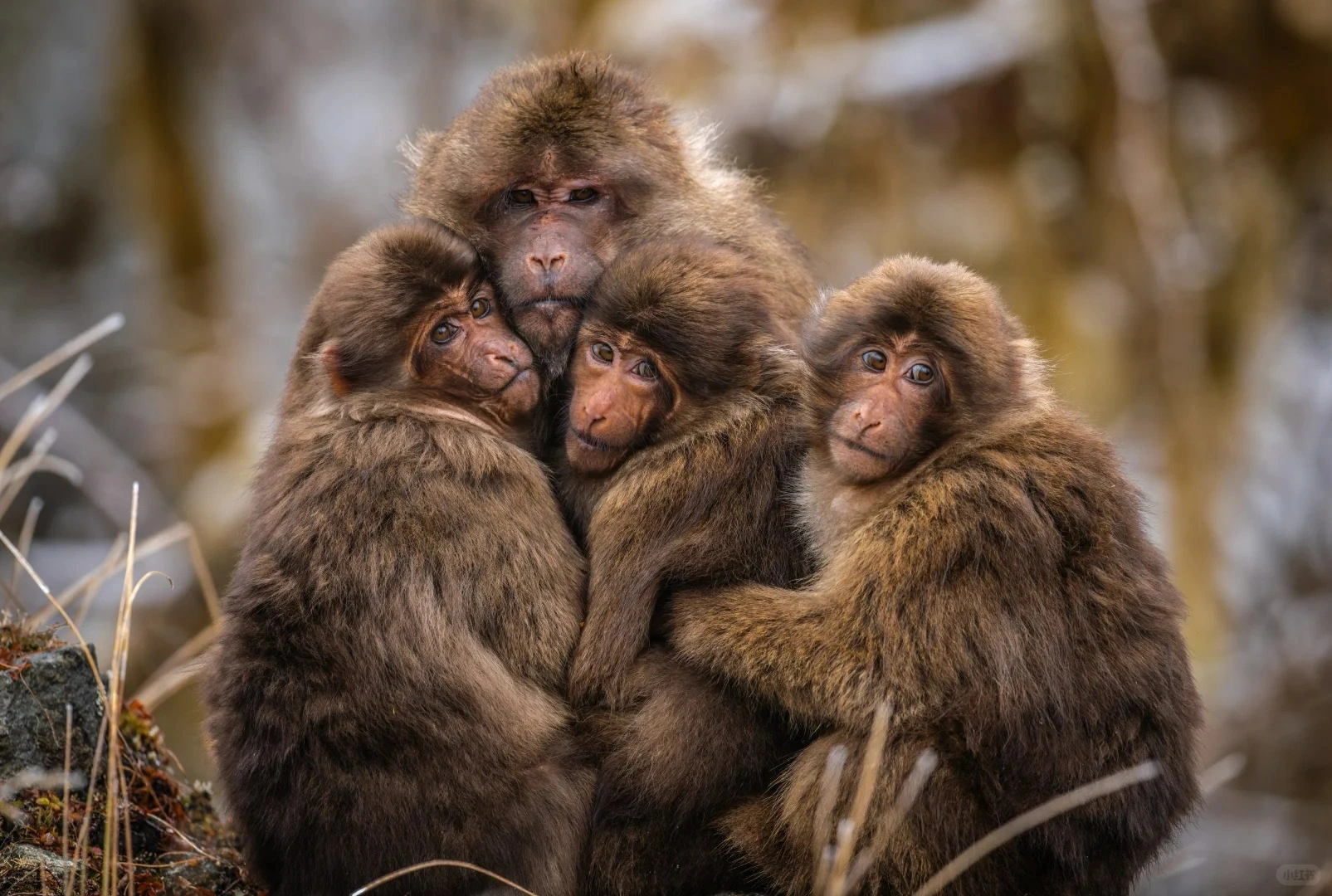
Golden Snub-Nosed Monkey
Famous for their golden fur and striking blue facial features, Golden Snub-Nosed Monkeys are among China’s most unique primates. They live in high-altitude forests and survive harsh snowy winters that few monkeys could tolerate. Their large social groups and active behavior make them one of the most fascinating animals in Western China.
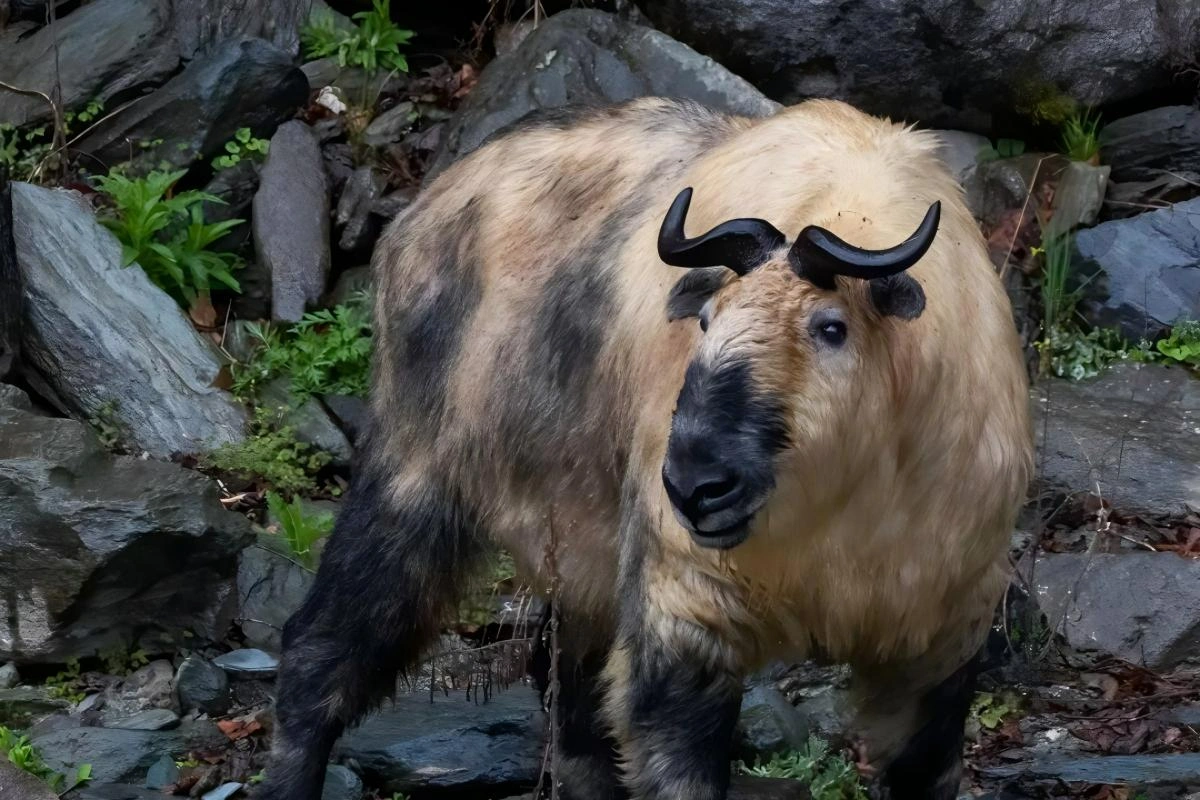
Takin
The Takin is a powerful mountain ungulate native to the forests and alpine valleys of Western Sichuan. With its muscular body and thick golden coat, it is perfectly adapted to steep mountain terrain and cold climates. Takins are often considered one of the most unusual-looking mammals in Asia.
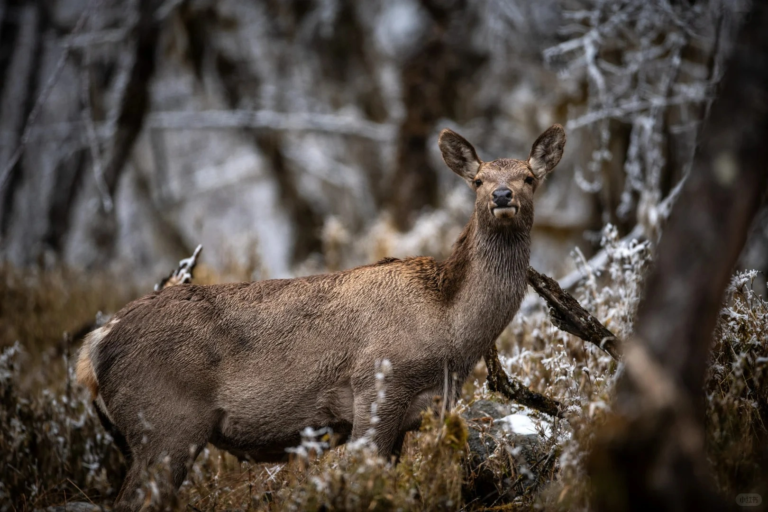
Sambar Deer
The Sambar Deer is one of Asia’s largest deer species and is commonly found in forested mountain regions across Western China. Usually active during dawn and dusk, these cautious animals are sometimes spotted near rivers, valleys, and remote alpine roads.
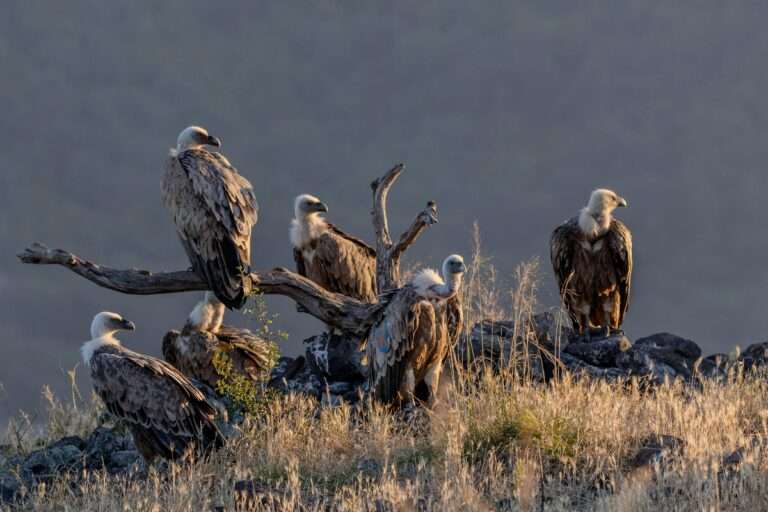
Himalayan Vultures
With wingspans reaching nearly three meters, Himalayan Vultures are among the most impressive birds found across the Tibetan Plateau and Western Sichuan. These powerful high-altitude scavengers are often seen soaring above valleys, monasteries, and alpine grasslands, using mountain thermals to glide effortlessly across vast landscapes.

Red Panda
Smaller and more elusive than the giant panda, the Red Panda inhabits cool mountain forests across Western Sichuan and the eastern Himalayas. Known for their reddish fur and long striped tails, these quiet tree-dwelling animals are especially popular among wildlife photographers and nature travelers.
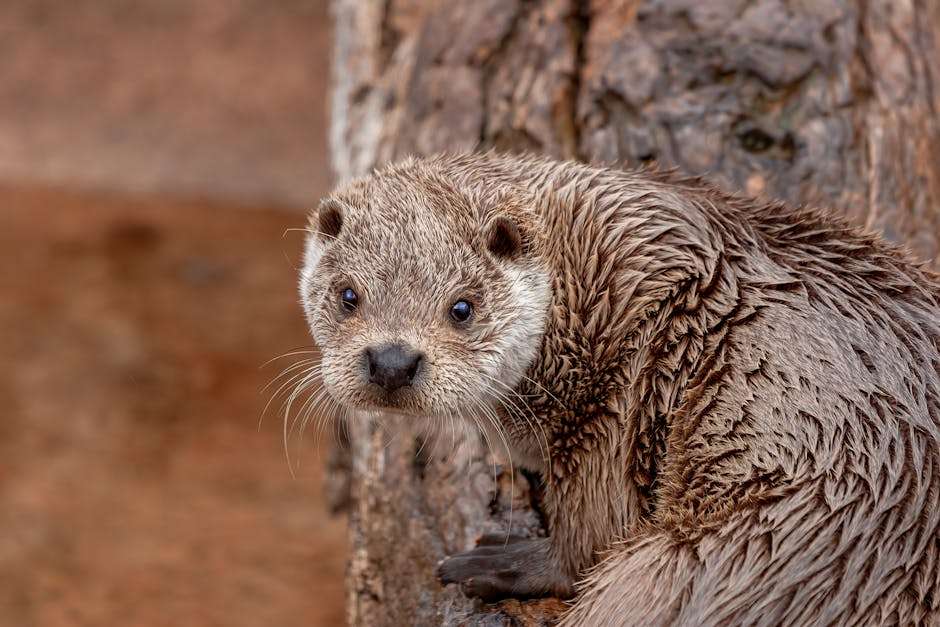
Eurasian Otters
Eurasian Otters inhabit clean rivers and freshwater systems throughout parts of Western Sichuan and the Tibetan Plateau. Highly sensitive to environmental conditions, their presence is considered an important indicator of healthy mountain ecosystems. Although naturally shy and difficult to spot, travelers occasionally encounter them near quiet river valleys and remote alpine waterways.

Diao Kunpeng
Wildlife Conservation Expert & Field Expedition Guide
For selected wildlife journeys, we work alongside Diao Kunpeng — a wildlife ecologist with years of field conservation experience across Western China.
Former founding station manager of the Baixiongping Conservation Station in Tangjiahe National Nature Reserve (2014–2019), his work focuses on wildlife monitoring, camera-trap research, and biodiversity conservation in habitats home to Giant Pandas, Takins, and Golden Snub-Nosed Monkeys.
Conservation Highlights
- Outstanding Wildlife Monitoring Award — Chinese Academy of Sciences (2018)
- Golden Panda Award — Sichuan Provincial Government (2019)
- Ford Conservation & Environmental Grant — Team Award (2024)
- Contributor to China National Parks (Dapeng Nature Book Award, 2024)
Traveling with our wildlife specialist offers a rare opportunity to explore Western China through the perspective of someone directly involved in real conservation work and wildlife protection in the region.
Private & Flexible Group Travel
Explore Sichuan with flexible private or group travel arrangements, accompanied by our professional English-speaking guides and experienced local teams. From solo travelers to small groups and larger customized journeys, each experience is thoughtfully adapted to your interests and travel pace.

F.A.Q.
Have any questions? Just send us an email — we’re happy to help. Email: [email protected]
Western Sichuan is home to some of China’s most iconic wildlife species, including Giant Pandas, Red Pandas, Golden Snub-Nosed Monkeys, Takins, Blue Sheep, Himalayan Vultures, Sambar Deer, and occasionally Snow Leopards in remote alpine regions.
The region is also internationally recognized for its rare high-altitude birdlife. Bird enthusiasts may encounter species such as the Blood Pheasant, Temminck’s Tragopan, Chinese Monal, White Eared-Pheasant, Tibetan Snowcock, and the striking Black-Necked Crane in selected plateau wetlands and alpine habitats — many of which are difficult to observe outside Western China and the eastern Tibetan Plateau.
Wild Giant Pandas are extremely elusive and sightings are very rare due to dense mountain forests and low population density. However, travelers can visit internationally recognized panda conservation and research centers near Chengdu and Dujiangyan to learn more about panda ecology and conservation.
That said, travel in more remote regions — such as parts of Western Sichuan — can involve long distances, high altitude, and changing weather conditions. Traveling with an experienced, licensed local operator can help you navigate these areas more safely and comfortably.
Different seasons offer different wildlife opportunities. Spring and autumn are generally considered the best periods for wildlife travel in Western Sichuan, with active animal movement, clearer mountain conditions, and comfortable temperatures. Winter can also be excellent for photographing species such as Golden Snub-Nosed Monkeys in snowy environments.
We help handle the details so you can focus on the experience itself.
China is widely regarded as a safe destination for international travelers, with low rates of violent crime and strong public security in major cities like Chengdu. Public transport is reliable, and it’s common to travel independently without safety concerns.
That said, travel in more remote regions — such as parts of Western Sichuan — can involve long distances, high altitude, and changing weather conditions. Traveling with an experienced, licensed local operator can help you navigate these areas more safely and comfortably.
Snow Leopards are among the rarest and most elusive big cats in the world, and sightings can never be guaranteed. Specialized expeditions focus on suitable habitats, tracking conditions, and local ecological knowledge to maximize opportunities while respecting wildlife conservation principles.
China is largely a mobile payment society. Apps like Alipay and WeChat Pay are widely used for everything from restaurants to taxis and small shops. International visitors can now link foreign bank cards to these apps, making payments much easier during their trip.
Credit cards (especially Visa and Mastercard) are accepted in hotels, larger restaurants, and some tourist sites, but may not work in smaller local businesses. For convenience, it’s best to set up mobile payments in advance and carry a small amount of cash as backup.
Yes. Our journeys are designed for both wildlife enthusiasts and photographers of different experience levels. Some locations are accessible with standard camera equipment, while more remote wildlife expeditions may require longer observation periods and telephoto lenses.
For most travelers, cities like Chengdu and popular destinations in Western China remain accessible and commonly visited. Staying informed, preparing key apps and documents, and traveling with a knowledgeable local team can help ensure a smooth and well-managed trip.
Some wildlife regions in Western Sichuan and the Tibetan Plateau are located at high altitude and may involve long driving distances, uneven terrain, or extended outdoor observation. However, many routes can be adjusted according to fitness level, photography interests, and travel pace.