How many days in Chengdu do you actually need? For most first-time international visitors, three full days is the minimum that feels worthwhile. Four days lets you add a major day trip without rushing. Five days works best if you want deeper food and culture experiences or plan to use Chengdu as the gateway to Western Sichuan.
The mistake is counting only attractions. Chengdu is a city where the experience also comes from tea, food, parks, markets and unhurried local life. This guide shows what realistically fits into three, four or five days.
Is 2 Days in Chengdu Enough?
Two days is possible if Chengdu is only a stop between other destinations, but it forces choices. You can see pandas and one or two central-city areas, yet you will probably miss the slower side of Chengdu that makes the city distinctive.
If you have traveled a long way to reach Sichuan, adding one more day usually improves the experience significantly.
3 Days in Chengdu: Best for a First Visit
Day 1: Pandas in the Morning, Modern Chengdu Later
Visit a panda base early. Pandas are generally more active in the cooler morning hours, and arriving earlier also helps you avoid spending the entire visit in the busiest part of the day.
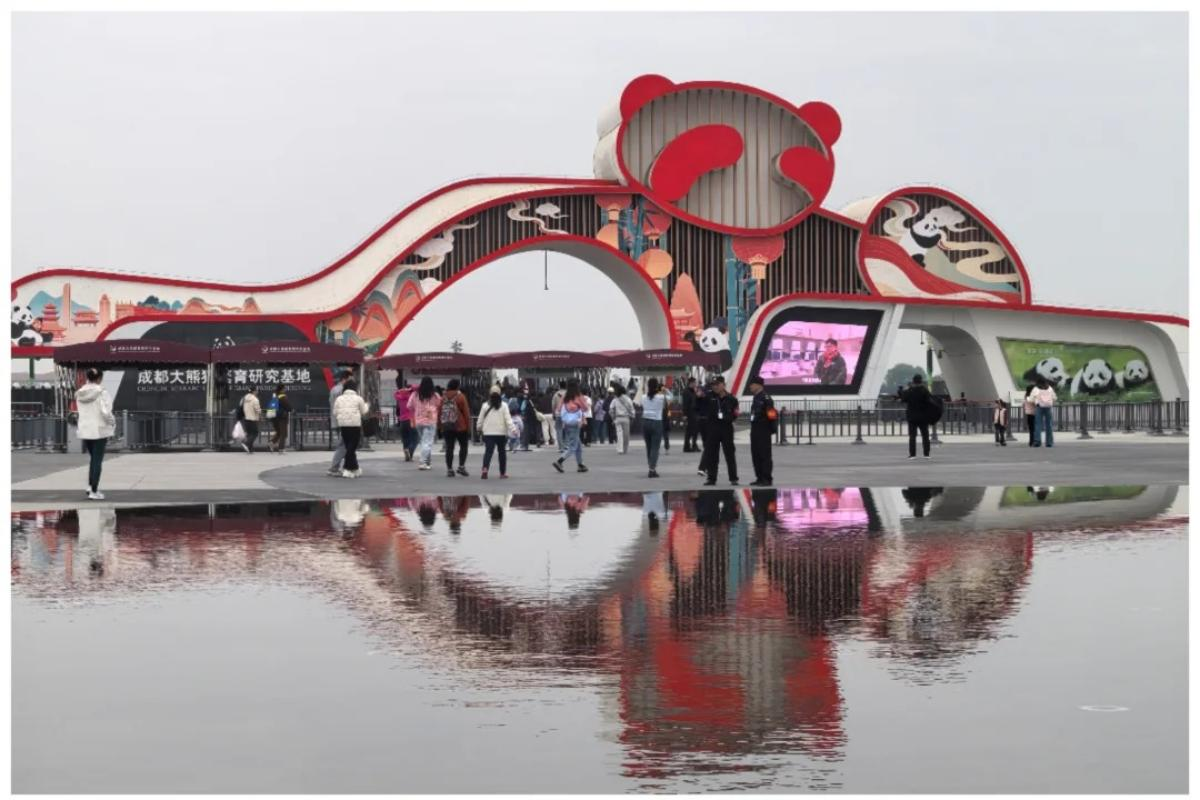
After returning to the city, use the afternoon and evening for central Chengdu. Chunxi Road, IFS and Taikoo Li show a very different side of the city from the panda base and make an easy first-day contrast.
Day 2: People’s Park, Tea and Everyday Chengdu
People’s Park is not about ticking off a major monument. Its value is seeing how Chengdu spends time: tea tables, conversations, mahjong, ear cleaning, dancing and people simply sitting together.
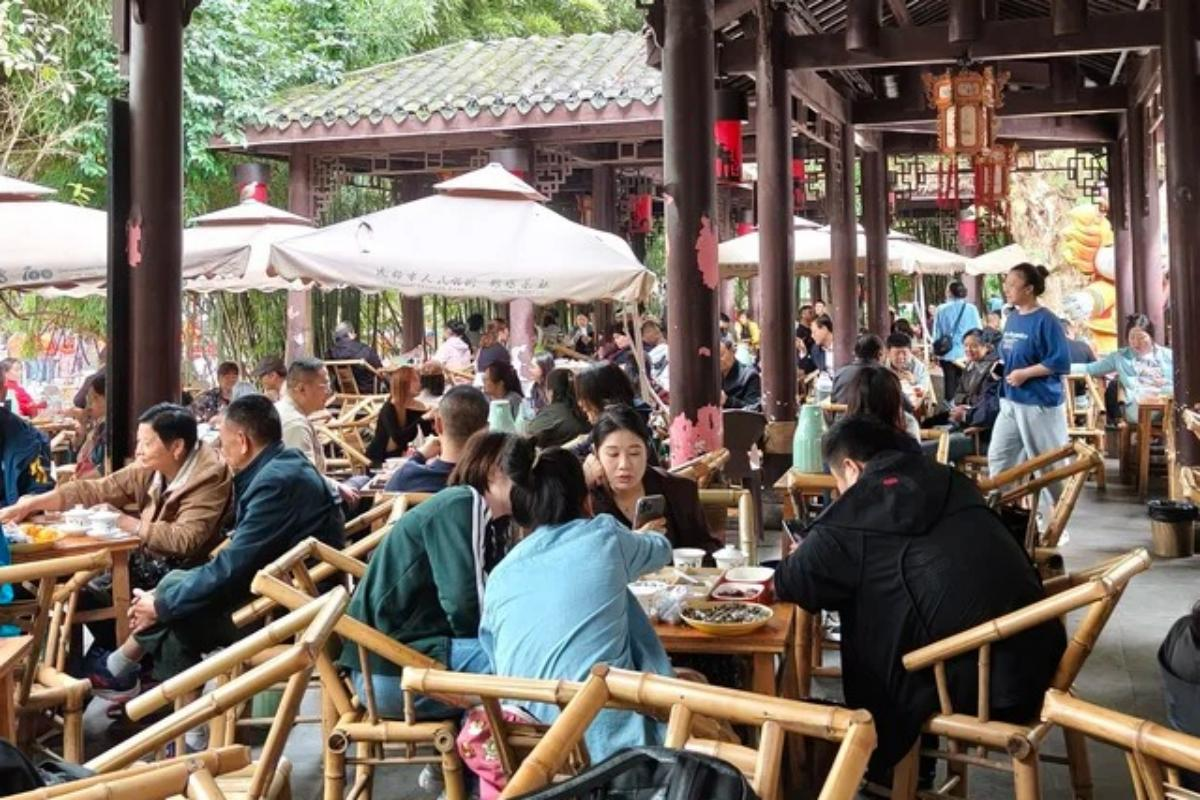
Give yourself time for a teahouse rather than photographing one and leaving. This is also a good day to explore nearby streets and try local snacks at a relaxed pace.
Day 3: Wenshu Monastery, Food and Sichuan Culture
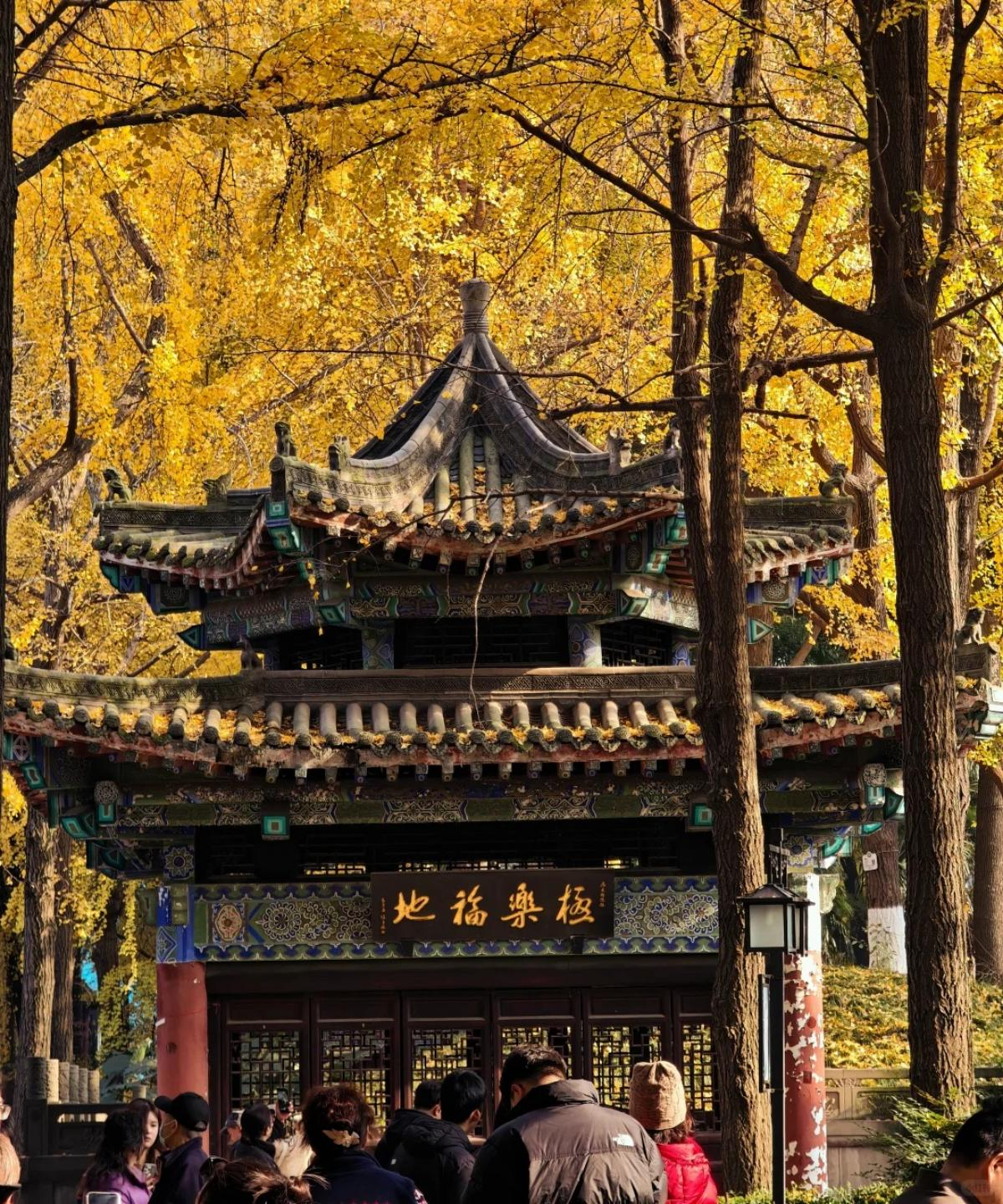
Wenshu Monastery offers a quieter cultural contrast and is easy to combine with vegetarian food, tea and nearby streets. Later, choose a food-focused experience: a market, cooking class, local dinner or Sichuan opera.
4 Days in Chengdu: Add One Major Day Trip
Four days is the sweet spot for many first-time visitors because you can keep the three-day city rhythm and add one substantial excursion.
Option 1: Leshan Giant Buddha
Choose Leshan if you want one of Sichuan’s most famous historic sights. It works well for travelers interested in Buddhist heritage and a change of scenery from the city.
Option 2: Dujiangyan
Choose Dujiangyan if you are interested in ancient engineering, water management and a greener setting closer to Chengdu. Depending on your interests, it can be paired with nearby cultural or mountain experiences.
Do not try to force both Leshan and Dujiangyan into the same day simply to increase the attraction count. A private itinerary should reduce unnecessary rushing, not create more of it.
5 Days in Chengdu: Better for Food, Culture or a Gateway to the Mountains
A fifth day gives you flexibility. You can use it for a deeper Chengdu experience – a market visit, cooking class, neighborhood walk or another cultural stop – or begin transitioning toward Western Sichuan.
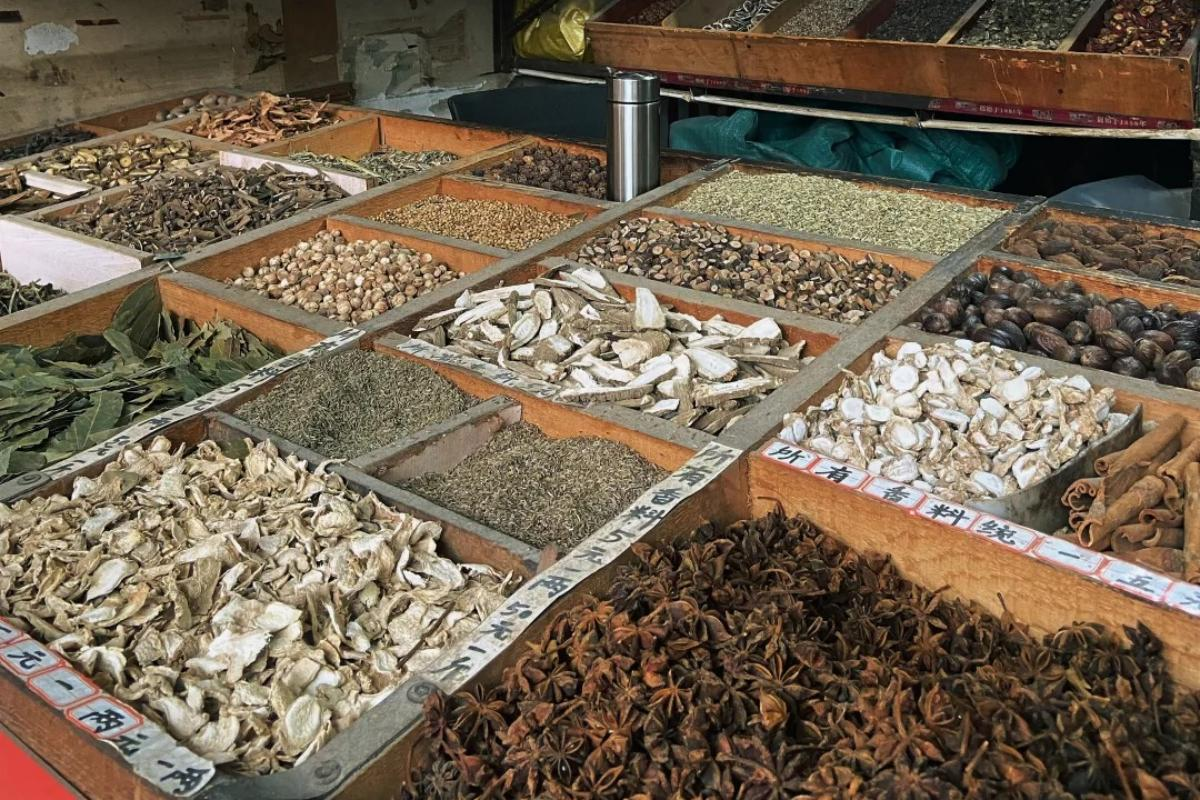
This is particularly useful if the next part of your journey includes Kham, wildlife watching or trekking. Western Sichuan involves longer road journeys and higher elevations, so using Chengdu as a comfortable starting point makes more sense than rushing directly from an international flight into the mountains.
Do Leshan and Dujiangyan Count as “Days in Chengdu”?
For itinerary planning, yes. Even though they are outside central Chengdu, most international travelers use Chengdu as the base or transport hub. If you have three days total and spend one in Leshan, you effectively have only two days for Chengdu itself.
That is why a traveler who wants pandas, local culture, food and one major excursion should normally plan four days rather than three.
How Much Time Do You Need for Pandas?
For most travelers, one well-planned morning is enough for a first panda visit. You do not need to devote multiple full days to pandas unless you have a specialist interest in panda conservation or photography.
The bigger decision is which panda base fits your itinerary and how early you can arrive. Avoid building the entire Chengdu stay around repeated panda visits if food, teahouse culture and local neighborhoods also interest you.
Should Food Lovers Stay Longer?
Yes. Chengdu is one of those cities where adding time can improve meals rather than simply add attractions. Hot pot, local noodles, vegetarian Sichuan food, markets, tea and neighborhood restaurants are difficult to appreciate if every lunch is squeezed between sightseeing stops.
If food is one of the main reasons you are coming to Sichuan, four or five days gives you a much better rhythm.
How Many Days If You Are Going to Western Sichuan?
If Chengdu is the start of a Western Sichuan road trip, wildlife journey or trek, spend at least two or three nights in the city before or after the mountain section when your overall schedule allows. This gives you time to recover from the international journey, organize gear and avoid turning Chengdu into nothing more than an airport transfer.
Our Recommendation by Traveler Type
- Fast first-time visit: 3 full days.
- First visit + Leshan or Dujiangyan: 4 days.
- Food and culture traveler: 4-5 days.
- Chengdu + Western Sichuan gateway: 3-5 Chengdu days plus the mountain itinerary.
- Very short China itinerary: 2 days is possible, but expect compromises.
So, How Many Days in Chengdu Is Best?
If you want one simple answer, choose four days. It is long enough to see pandas, experience tea and local culture, eat properly and add one important day trip without making every day feel rushed.
If your schedule is tight, three days still works. If Chengdu is one of the main reasons for your trip – or the gateway to a longer Western Sichuan journey – five days gives you a more relaxed and rewarding pace.
Explore PandaRoaming’s Chengdu Tours – Food, Pandas & Culture for private itineraries that can be adjusted around your interests, arrival time and onward journey.