Choosing a Western Sichuan hiking route only by difficulty can lead you to the wrong trek. Two routes can both be described as moderate, yet one is about a frozen alpine lake while another is about autumn forest, a sea of clouds or a high mountain pass.
A better way to choose is to start with the scenery you want to experience. Below we group PandaRoaming’s Western Sichuan trekking routes by landscape, then explain altitude, trip style and who each route suits.
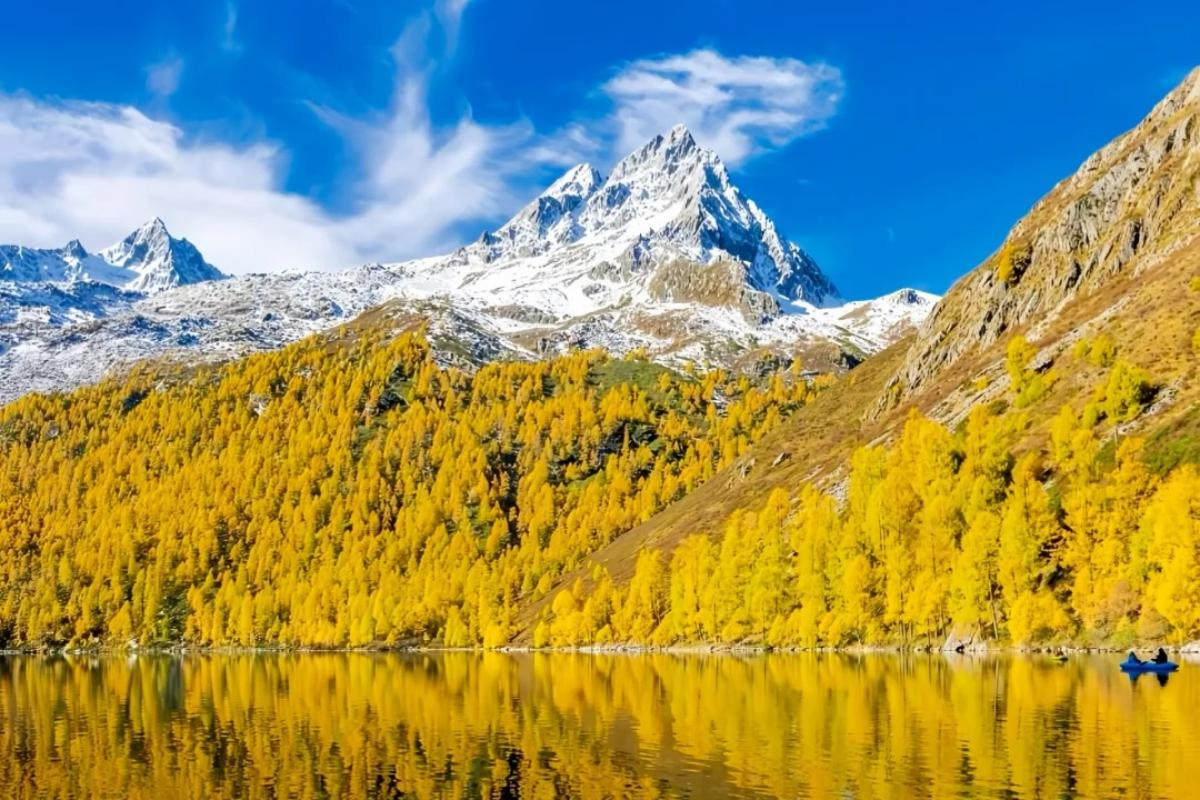
1. Frozen Alpine Lake: Yemahaizi
Best for: a short highland hike, winter scenery and travelers who want a dramatic landscape without a long multi-day traverse.
Yemahaizi is a compact route in the Gongga region. Its visual identity changes strongly with the season, but the frozen-lake period is especially distinctive: pale ice, snow-covered slopes and changing cloud around the mountains create a minimalist winter landscape.
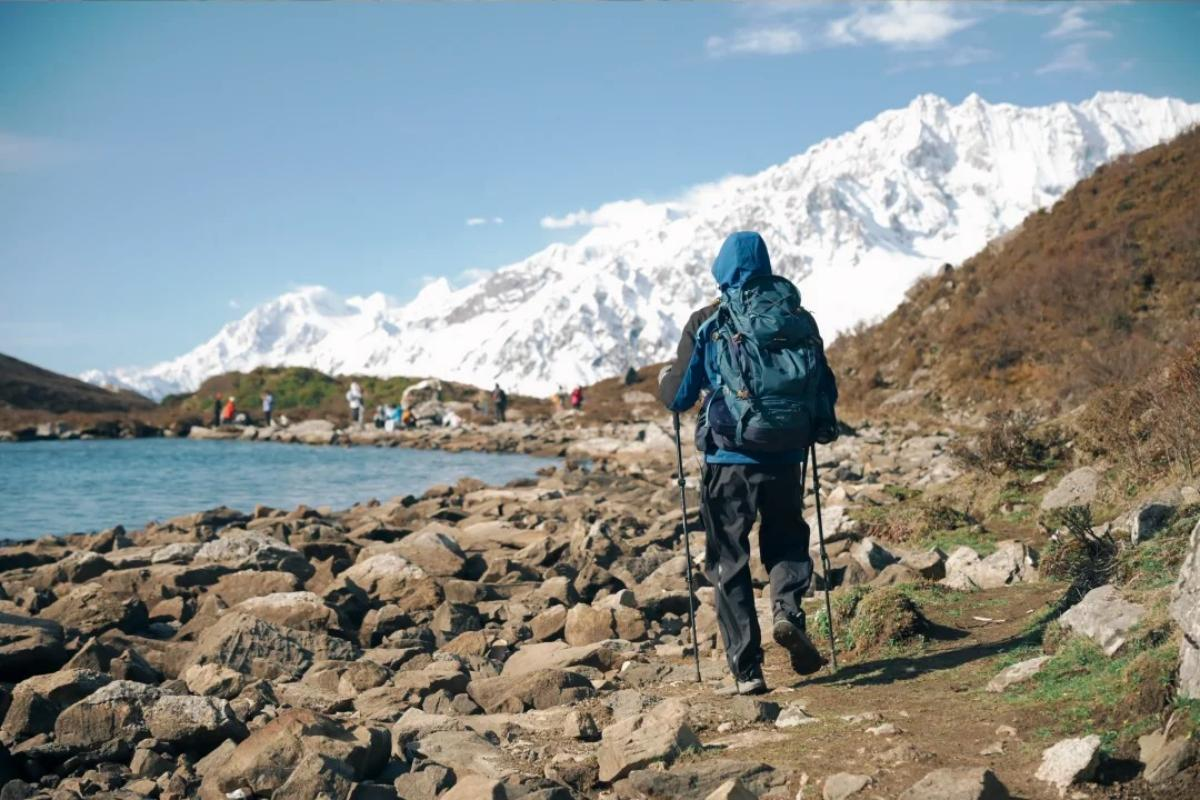
This is a good choice if your priority is photography and atmosphere rather than covering a long distance. The important caution is altitude: a short route is not automatically an easy route when the lake is around 4,100 meters.
2. Summit Panorama: Langkazhi Xin
Best for: fit hikers who want a clear summit objective and broad high-altitude views.
Langkazhi Xin reaches roughly 4,800 meters. The route moves from alpine vegetation toward increasingly open, rocky terrain, with a much stronger “summit day” feeling than a lake or valley trek.
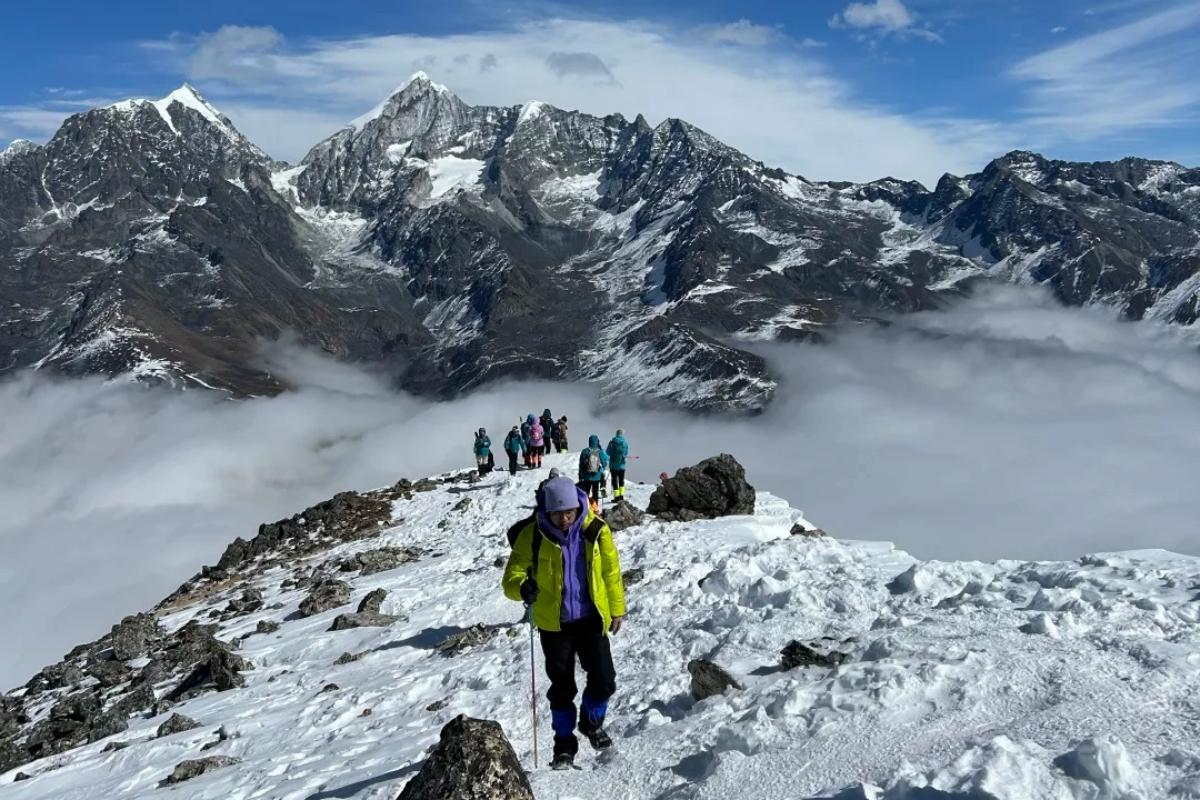
Choose this route if standing on a high point matters to you. Do not choose it simply because the itinerary is short. At this elevation, acclimatization, pace and weather matter more than the number of days printed on the schedule.
3. Sea of Clouds and Sunrise: Huajianshan
Best for: photographers, couples and travelers who want a mountain sunrise without committing to a long expedition.
Huajianshan is about layers: dark ridges before dawn, a sea of clouds below, distant Gongga peaks and warm light arriving across the horizon. It is one of the most visually rewarding short routes when weather conditions align.
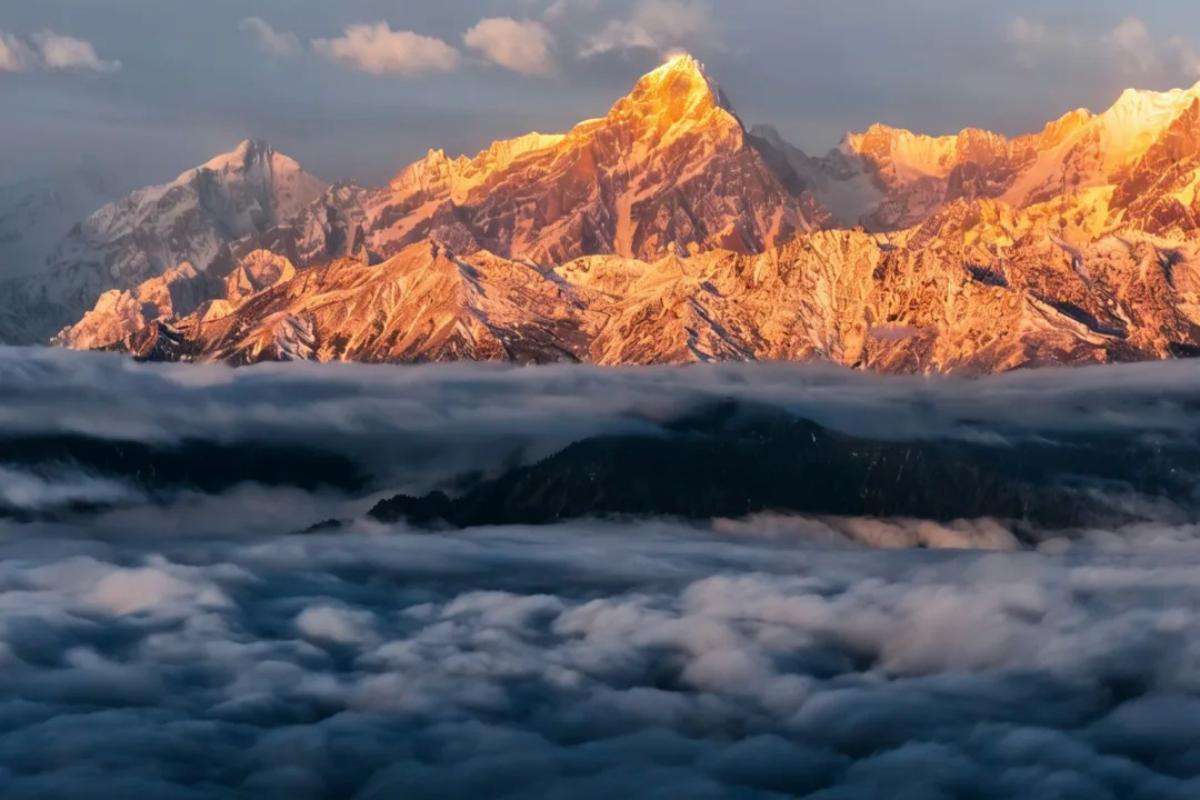
If your main goal is a sunrise photograph rather than a difficult traverse, Huajianshan can make more sense than choosing a higher or longer trail simply for bragging rights.
4. Multiple Alpine Lakes and Wilderness: Qizanggou
Best for: travelers who want remote valleys, several alpine lakes and a genuine multi-day wilderness feel.
Qizanggou is not built around one single viewpoint. The experience comes from moving through a sequence of lakes, forest, pasture and mountain terrain. That progression makes it feel more like a journey through an ecosystem than a hike to one destination.
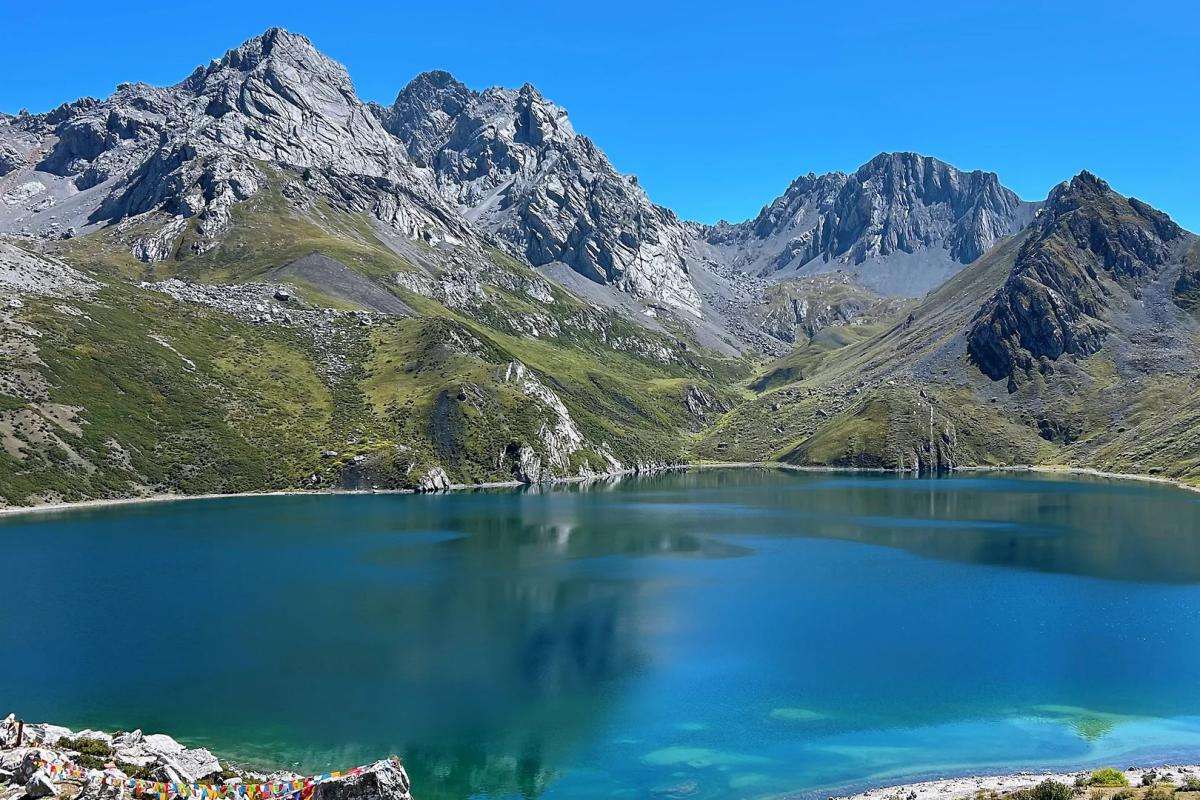
This route suits hikers who enjoy camp life and changing landscapes. It is also a strong choice for people who have already visited more famous scenic areas and want something quieter and less visually repetitive.
5. Autumn Forest and Alpine Lakes: Dangling
Best for: autumn photography, mountain villages and a combination of forest, snow peaks and high lakes.
Dangling, in the Danba area of Garze Tibetan Autonomous Prefecture, is one of Western Sichuan’s strongest autumn landscapes. Forest color adds warm yellows and oranges below the colder tones of rock, snow and alpine water.
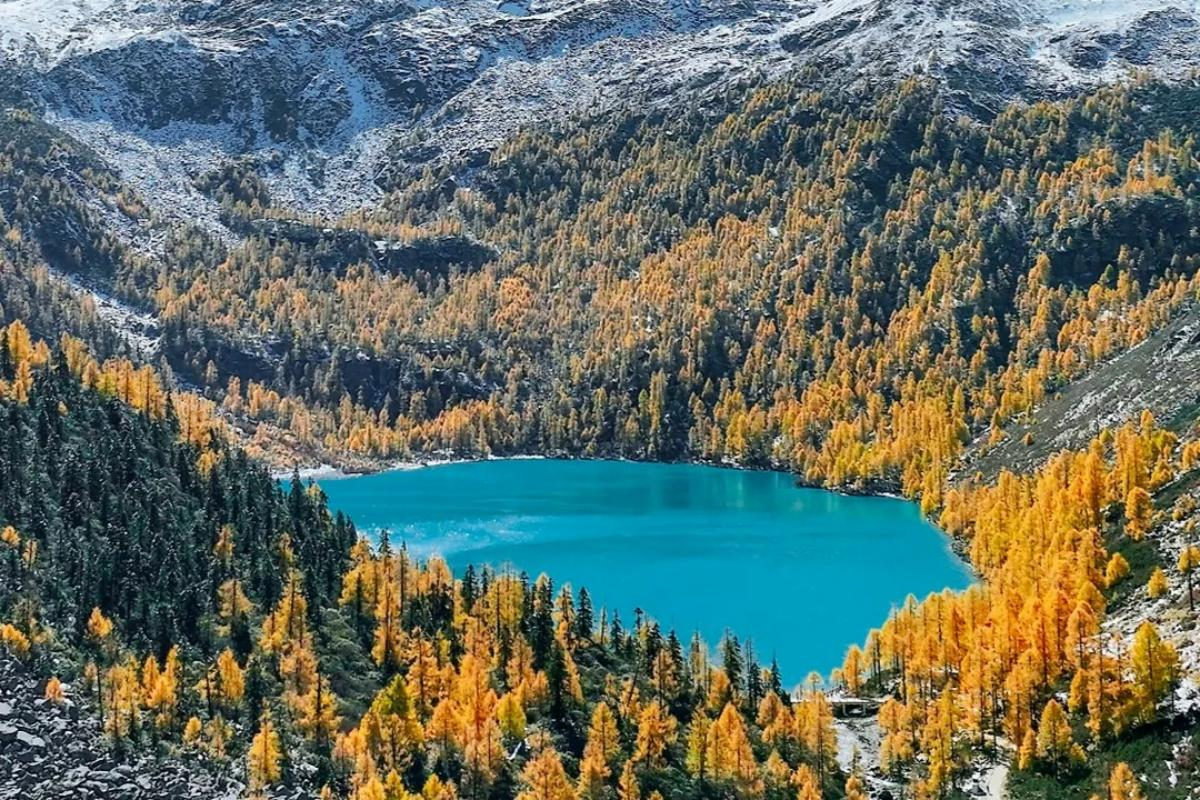
The trek to lakes such as Huluhai gives the route a clear destination, but the forest and village environment are equally important. For photographers, October is often the reason to choose Dangling over a greener summer route.
6. Glacier, Wildflowers and High-Altitude Camping: Leduomanyin
Best for: fit hikers who want glacier scenery, alpine meadow and a more expedition-like camping experience.
Leduomanyin combines long high-altitude views with meadows, streams, glacier-influenced terrain and an ice-lake setting. The route is roughly 25 kilometers with substantial elevation gain, and the experience is more demanding than a short viewpoint hike.
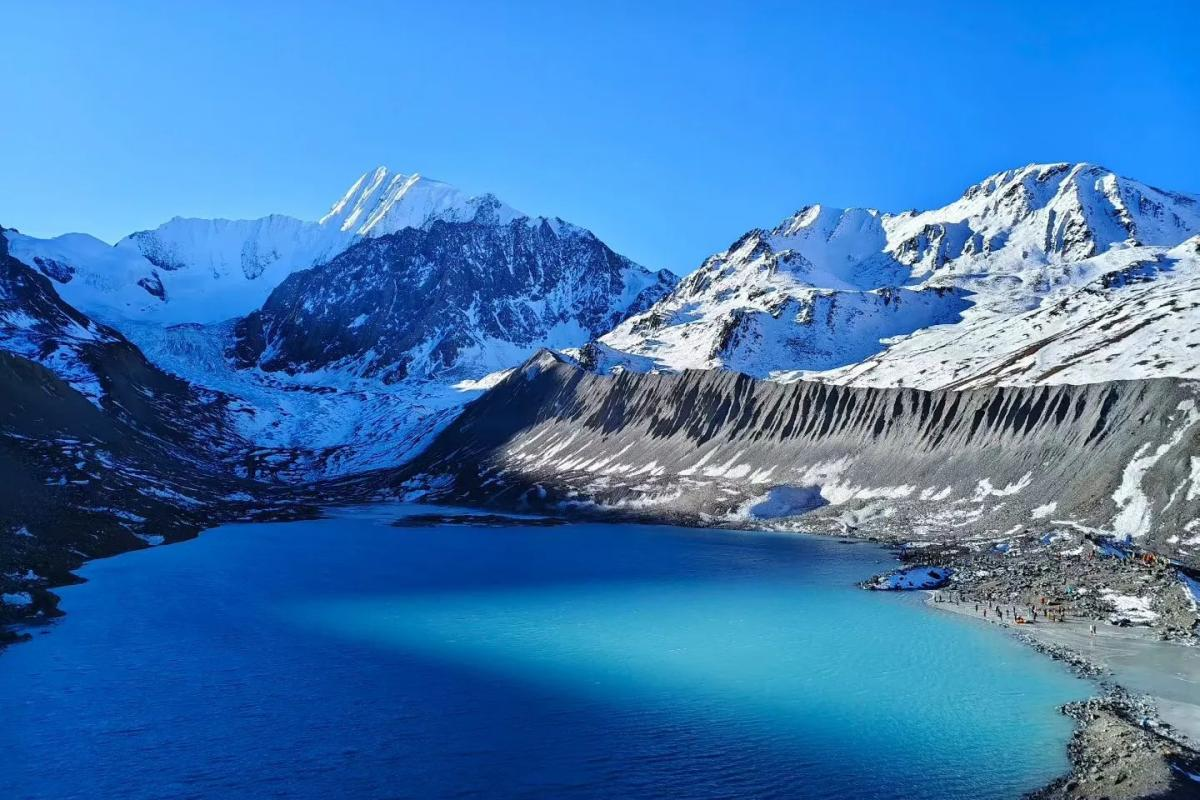
In the greener months, flowers and meadow soften the landscape. Higher up, the mood becomes much more alpine. This contrast is one of the reasons the route works well for photography.
7. Classic Alpine Crossing: Changping Valley to Bipenggou
Best for: experienced hikers who want a complete point-to-point traverse rather than an out-and-back trail.
The Changping Valley-Bipenggou crossing is one of the classic Western Sichuan treks. Starting in the Siguniang Mountain area, the route passes through forest, streams, meadow and high alpine terrain before crossing a pass at roughly 4,668 meters and descending toward Bipenggou in Li County.
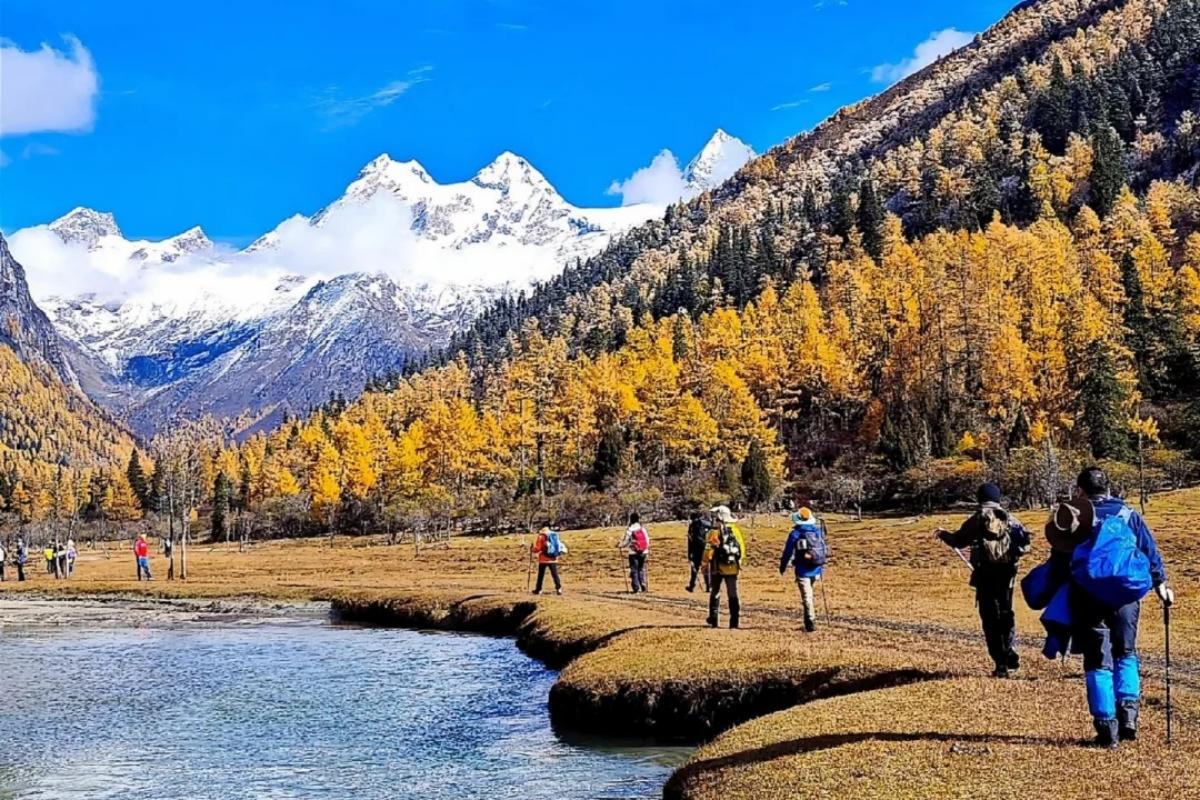
At around 40 kilometers, it offers the broadest sense of progression among these routes. If you want one trek that feels like a true mountain crossing, this is the strongest all-round choice.
Quick Guide: Choose by the View You Want
- Frozen lake and winter mood: Yemahaizi
- High summit and 360-degree panorama: Langkazhi Xin
- Sea of clouds and sunrise: Huajianshan
- Multiple hidden alpine lakes: Qizanggou
- Autumn forest and lake photography: Dangling
- Glacier, meadow and camp: Leduomanyin
- Classic point-to-point alpine crossing: Changping Valley-Bipenggou
What Else Should You Compare Before Booking?
Once you have chosen the scenery, compare altitude, daily walking time, sleeping arrangements, season and previous hiking experience. A short summit at 4,800 meters can feel harder than a longer route at lower elevation. A camping route also asks more of your recovery than a hotel-based day hike.
Western Sichuan weather changes quickly. Route choice should always be confirmed against current trail, road and weather conditions before departure.
Compare PandaRoaming’s Western Sichuan Hiking & Trekking Adventures and choose your route by scenery, season and fitness level.