If you are considering a Tangjiahe wildlife trip, the biggest advantage is not a promise of one famous animal. It is the chance to enter a remarkably rich mountain ecosystem with someone who understands how conservation, habitat and animal behavior fit together.
This guide introduces Tangjiahe in northern Sichuan and the background of conservation specialist Diao Kunpeng (刁鲲鹏), then explains the mammals travelers can realistically hope to observe, when to go and what an expert-led field day can add.
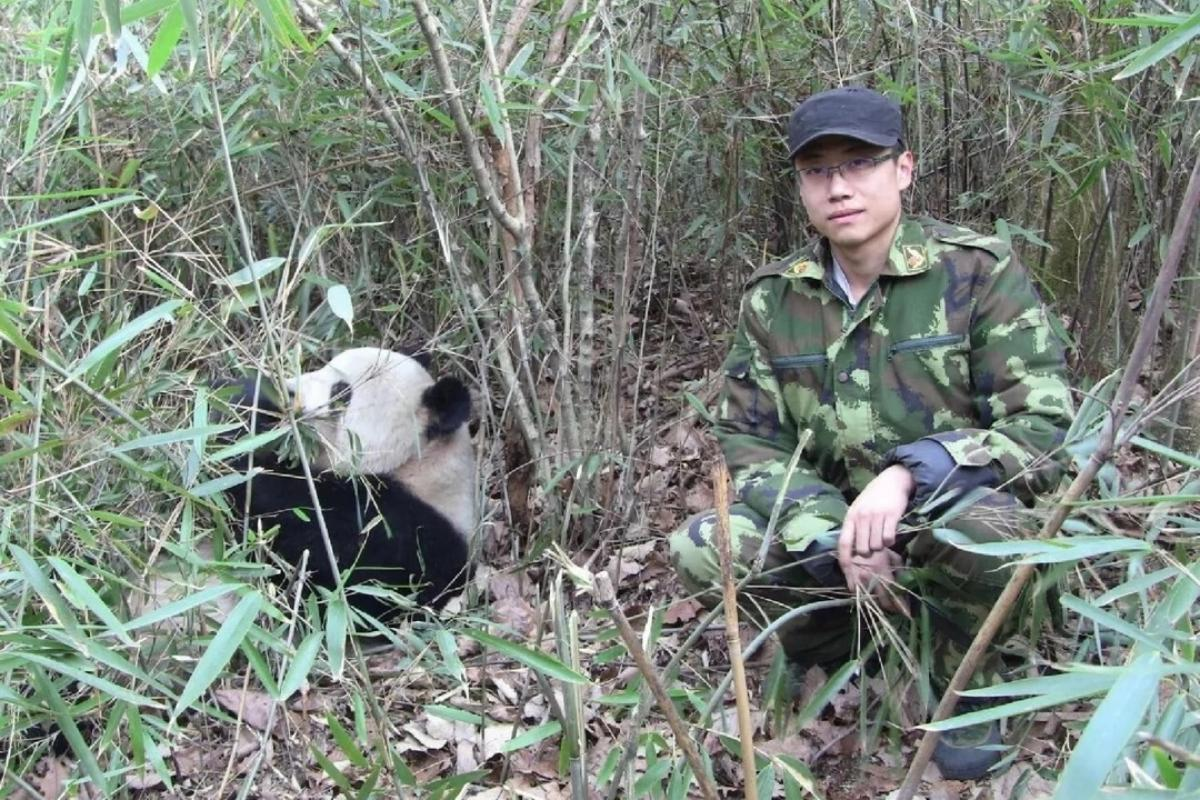
Who Is Diao Kunpeng?
According to his published profile in the Pishu Database of the Social Sciences Academic Press, Diao Kunpeng holds a master’s degree in ecology and graduated from the Institute of Zoology, Chinese Academy of Sciences. The profile identifies him as the head of Qingye Ecology, a former project officer at the Shanshui Conservation Center and the first station chief of the Baixiongping Conservation Station.
It also states that he has been responsible for the Baixiongping public-interest conservation station project since 2014, has extensive protected-area work experience, and specializes in zoological research and writing. You can review the published profile here: Diao Kunpeng – Pishu Database.
For a wildlife traveler, these credentials matter because field interpretation is different from ordinary sightseeing commentary. A conservation specialist looks at habitat, tracks, seasonal food, animal movement and disturbance – not simply the name of an animal after it appears.
Where Is Tangjiahe?
Tangjiahe is in Qingchuan County in northern Sichuan, within the Minshan mountain system and the wider Giant Panda National Park landscape. Forested slopes, river valleys and strong changes in elevation create habitat for a wide range of mammals and birds.
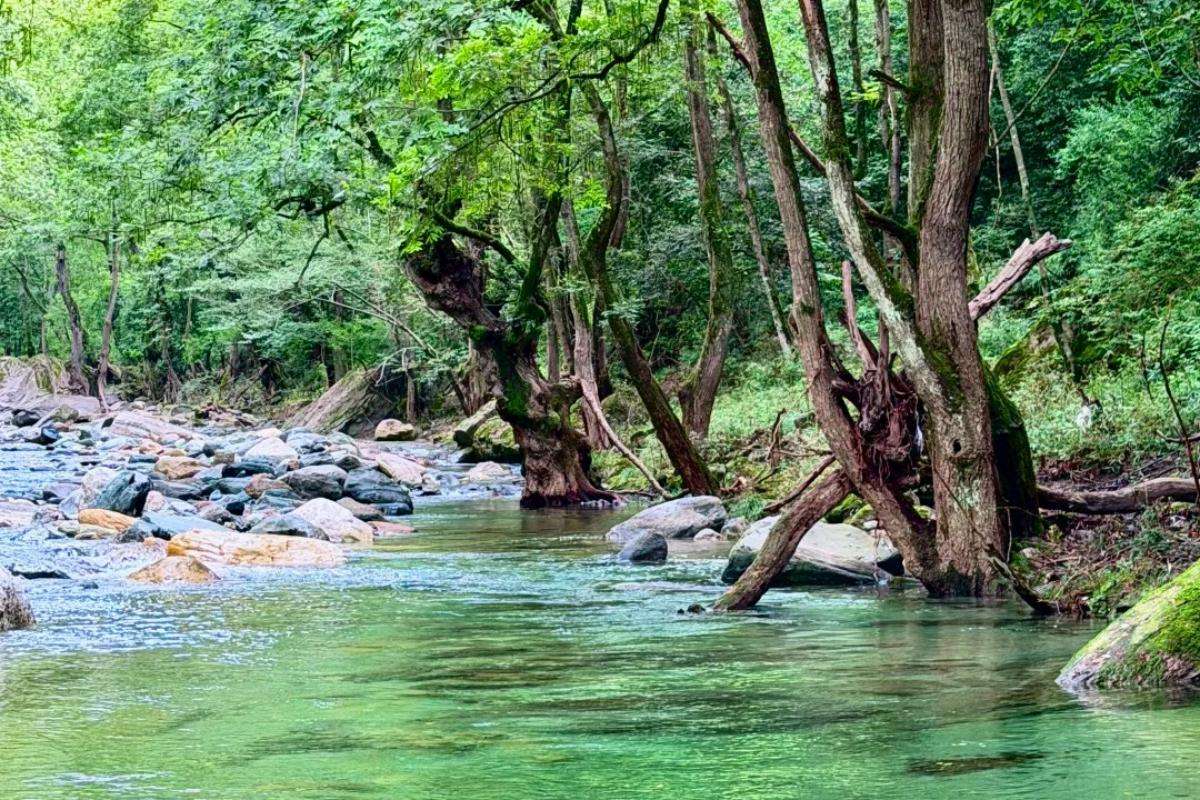
China’s National Forestry and Grassland Administration has described Tangjiahe as one of the country’s protected areas with a particularly high chance of encountering wildlife. Recent official reporting from the Tangjiahe area has documented golden snub-nosed monkeys close to the entrance community and notes frequent appearances by more than 60 kinds of wildlife in the area, including Sichuan takin, Tibetan macaque and Asian black bear.
Why Is Tangjiahe So Interesting for Mammal Watchers?
Many protected areas contain impressive wildlife but are difficult for visitors to observe. Tangjiahe is interesting because forest roads, river corridors, open edges and seasonal animal movement can create practical observation opportunities without turning the experience into a captive-animal visit.
The key word is opportunity. Animals are wild. A quiet morning can suddenly become productive, while a route that worked yesterday may be empty today. That uncertainty is part of real mammal watching.
Sichuan Takin: One of Tangjiahe’s Signature Mammals
The Sichuan takin is one of the large mammals most closely associated with Tangjiahe. Heavy-bodied and powerful, takins move through forest, shrub and more open mountain habitat. They may appear surprisingly close to roads or river valleys, but travelers should never approach or block their movement.
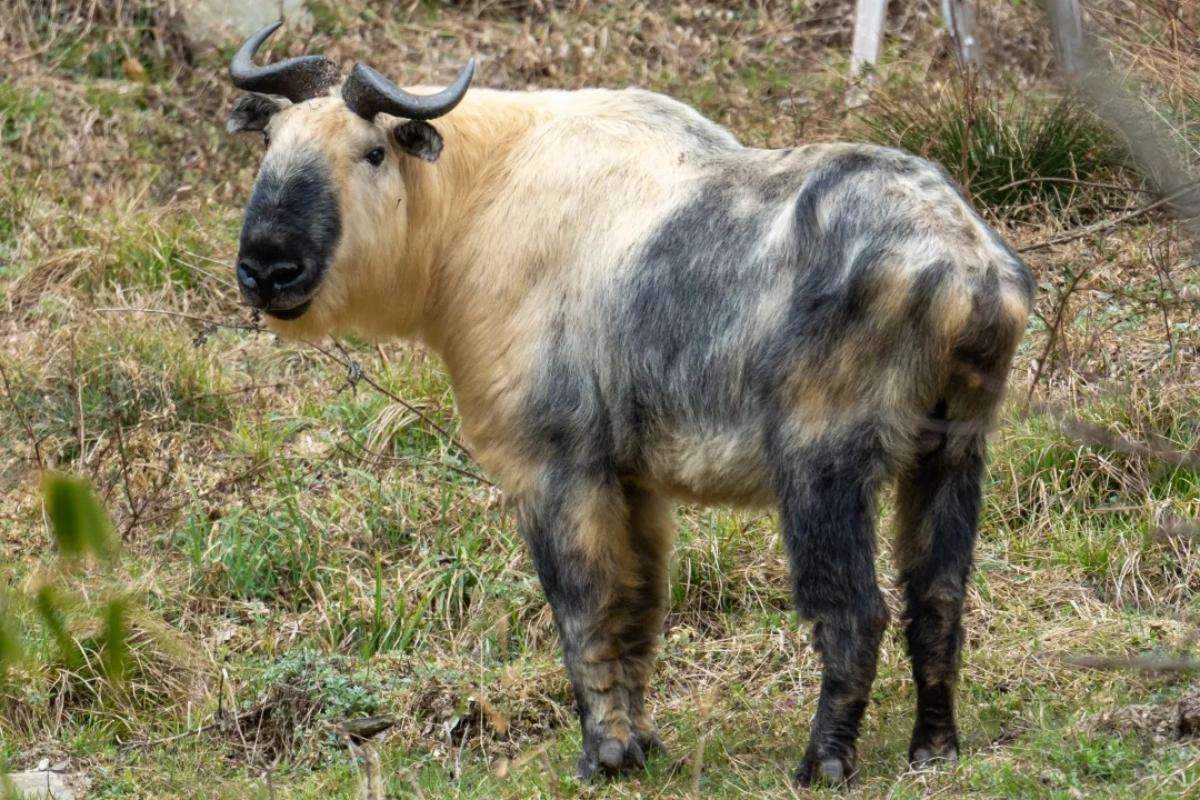
For photographers, the best image is not always the closest portrait. A takin moving through misty forest or crossing a mountain slope can communicate far more about the species and its habitat.
Golden Snub-Nosed Monkeys
Golden snub-nosed monkeys are another major target. They live in social groups and move through mountain forests according to food, season and disturbance. Sometimes the first clue is sound or movement in the canopy rather than a clear view.
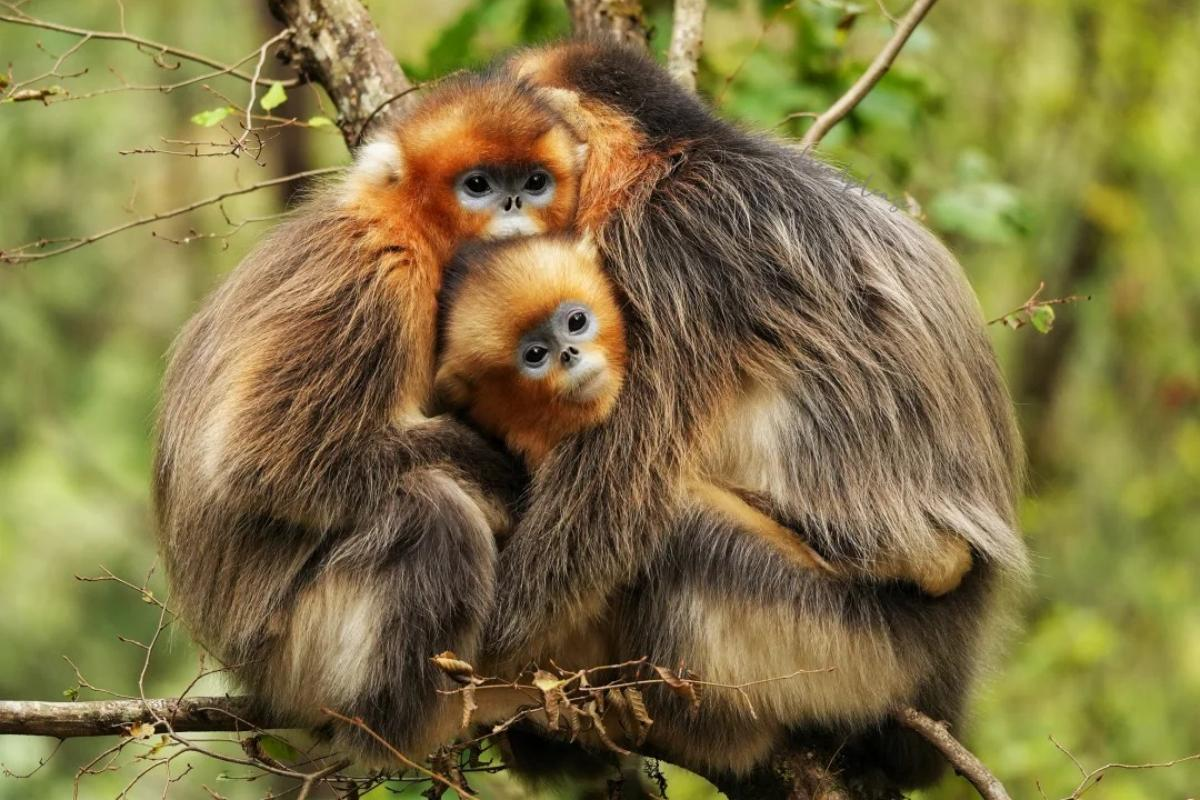
Official forestry reporting in 2024 documented a group of roughly 50-60 golden snub-nosed monkeys near a community at about 1,050 meters in the Tangjiahe area. That does not mean visitors will always find them at low elevation, but it illustrates how seasonal movement can change where animals are encountered.
Other Mammals Worth Watching For
A good Tangjiahe trip is much more rewarding when your list extends beyond two headline species. Depending on conditions, mammal watchers may look for Reeve’s muntjac, tufted deer, Chinese goral, Tibetan macaque, yellow-throated marten, hog badger, leopard cat, masked palm civet and Asian black bear.
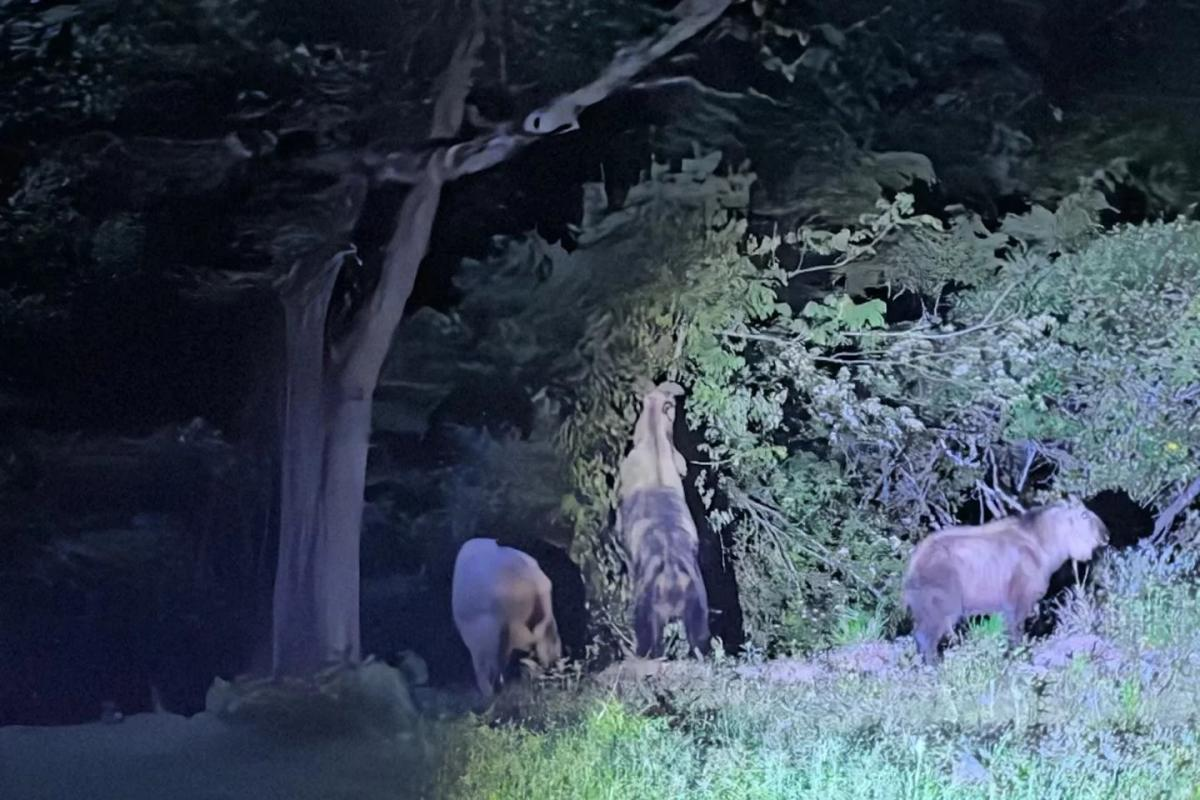
Camera-trap research from Tangjiahe has documented a broad forest-mammal community, including yellow-throated marten, leopard cat, tufted deer, Asian black bear and Sichuan snub-nosed monkey. For visitors, however, detection in scientific monitoring should not be confused with easy sightings in a short trip.
Can You See a Wild Giant Panda in Tangjiahe?
Wild giant pandas occur in the wider Tangjiahe ecosystem, but they are solitary, forest-dwelling animals and a direct sighting is rare. This is one of the most important expectations to set correctly.
If your only measure of success is a wild panda photograph, you could leave disappointed even after excellent field days. If your goal is to understand a giant-panda ecosystem and watch a broader community of wild mammals, Tangjiahe becomes a much stronger destination.
When Is the Best Time for Tangjiahe Wildlife?
There is no month that guarantees the best sightings for every species. Cooler periods can be productive because vegetation changes and some animals use lower elevations. Winter can also create striking conditions for golden monkeys and takins, while spring and autumn offer comfortable field temperatures and active birdlife.
Summer is lush and beautiful, but dense foliage can make forest mammals harder to locate visually. Rain can also affect field plans. For a species-first trip, the target list should determine the dates.
What Does an Expert-Led Wildlife Day Look Like?
A serious field day may begin early, when roads and river corridors are quiet. Instead of following a fixed attraction list, the route changes according to recent signs, weather, seasonal food and local observations.
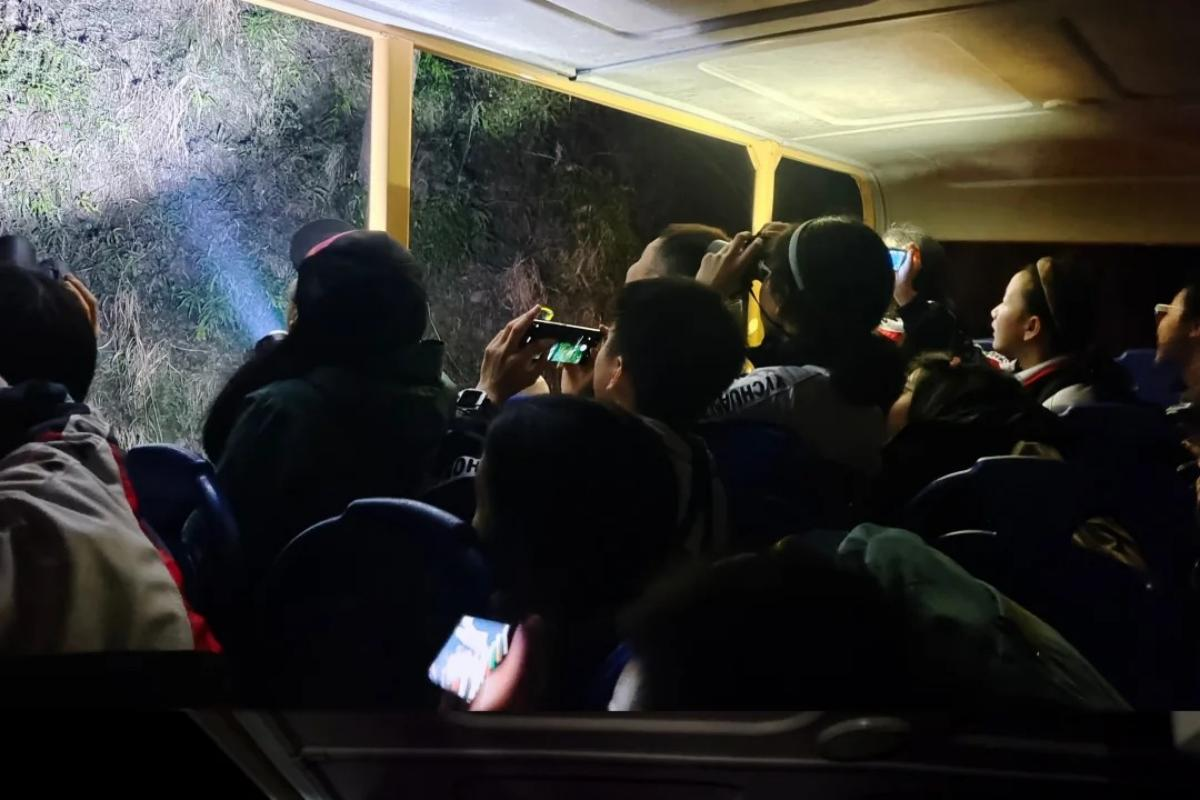
Long quiet periods are normal. An experienced observer may stop because of a call, fresh track, feeding sign or movement that a casual visitor would miss. That is where conservation experience becomes useful: it changes how you read the landscape.
Responsible Wildlife Watching in Tangjiahe
- Never feed wildlife.
- Do not surround an animal or block its escape route.
- Keep voices low and avoid sudden movement.
- Follow reserve instructions and local access rules.
- Do not use bait to create a photograph.
- If an animal changes its behavior because of your presence, increase the distance.
Who Is Tangjiahe Best For?
Tangjiahe is particularly suitable for mammal watchers, wildlife photographers, birders and travelers who want nature interpretation rather than a conventional scenic-area visit. It can also work well as part of a longer Sichuan wildlife journey because Chengdu provides a practical gateway to several different ecosystems.
Explore PandaRoaming’s Nature & Wildlife Experiences. For a Tangjiahe journey, tell us your target species, photography priorities and preferred travel dates so the field plan can be built around realistic wildlife opportunities.