If you are planning wildlife watching in China, Western China gives you two very different experiences. Sichuan is about forested mountains, deep valleys and a broad mix of mammals and birds. Sanjiangyuan, in Qinghai on the Tibetan Plateau, is about open high-altitude country, predator habitat and patient scanning for animals that can be visible from a great distance.
For wildlife travelers, the question is not simply, “Where are there more animals?” The better question is: which ecosystem, target species, altitude and style of wildlife watching fit you? This guide compares Sichuan and Sanjiangyuan in practical terms, including geography, animals, season, sighting expectations, photography, altitude and trip length.
Where Are Sichuan and Sanjiangyuan?
Sichuan: Forests on the Eastern Edge of the Tibetan Plateau
Sichuan sits at a remarkable ecological transition. The Sichuan Basin rises west and north into the Minshan and Hengduan mountain systems, where elevation can change dramatically over relatively short distances. That creates broadleaf forest, mixed forest, bamboo, river valleys, alpine meadow and high mountain habitat.
For a wildlife traveler, this vertical diversity is important. A single journey can move between lower forest valleys and much higher plateau country, allowing you to search for very different groups of animals without crossing the entire country.
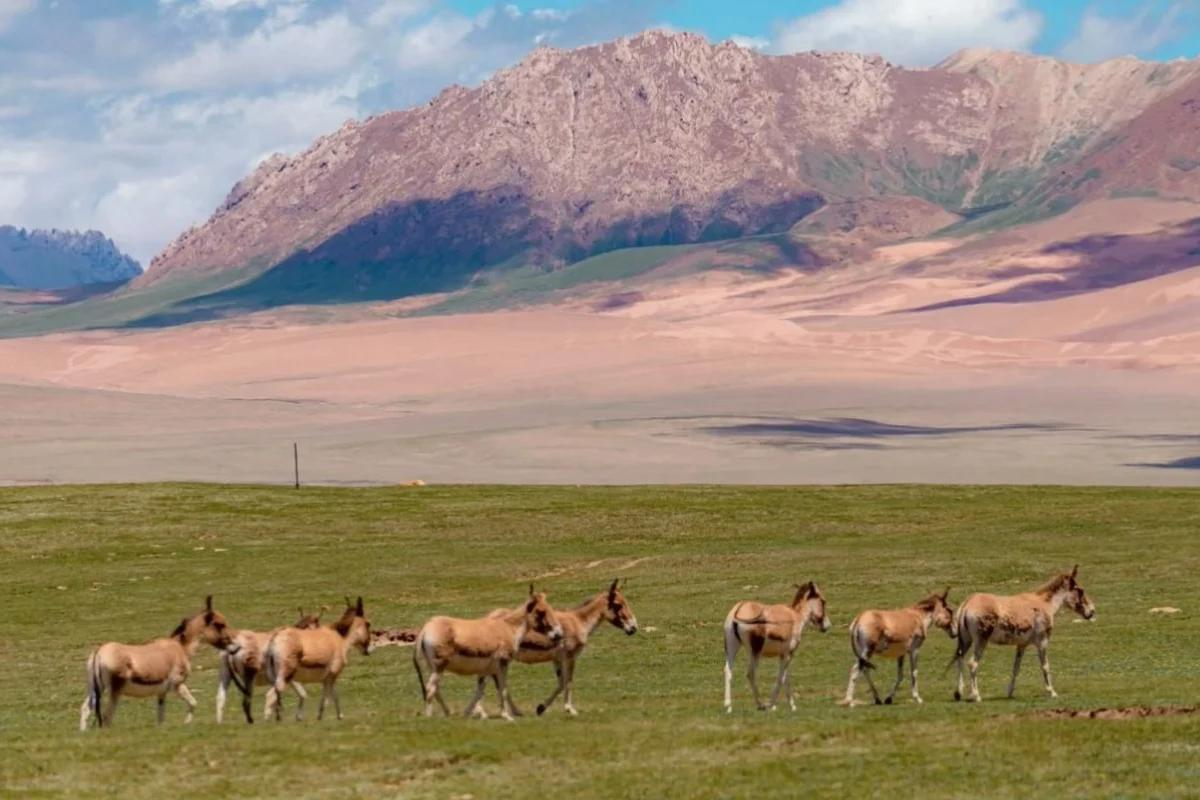
Sanjiangyuan: High-Altitude Wildlife at the Source of Three Great Rivers
Sanjiangyuan literally means “Source of Three Rivers.” It is the headwaters region of the Yangtze, Yellow and Lancang rivers. The National Forestry and Grassland Administration describes a landscape of glaciers, snow mountains, wetlands, alpine grasslands, desert-like highlands and shrub or forest habitat, with an average elevation above 4,500 meters in the wider region.
Official sources record 85 mammal species and 237 bird species in Sanjiangyuan, including nationally protected wildlife such as snow leopard, wild yak, Tibetan antelope and white-lipped deer. For serious mammal watchers, however, the appeal is not a checklist alone. It is the chance to observe a functioning high-altitude predator-and-prey ecosystem.
What Wildlife Can You See in Sichuan?
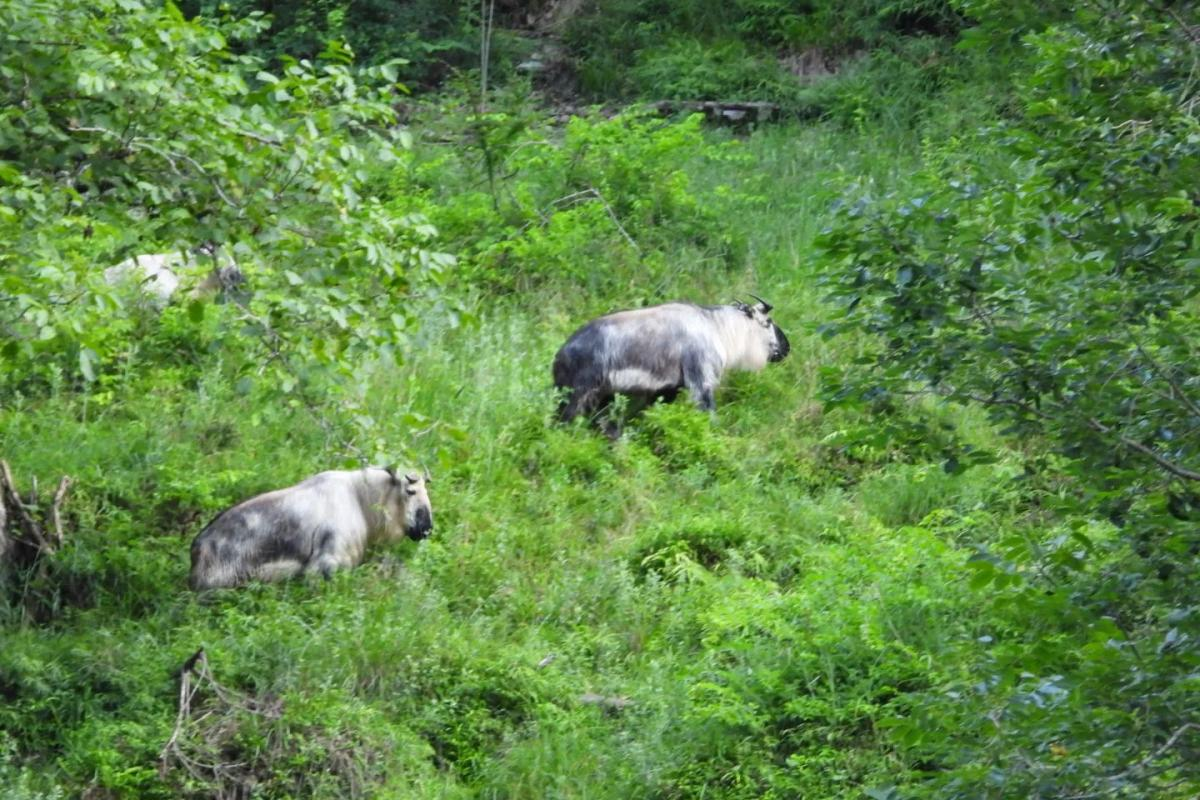
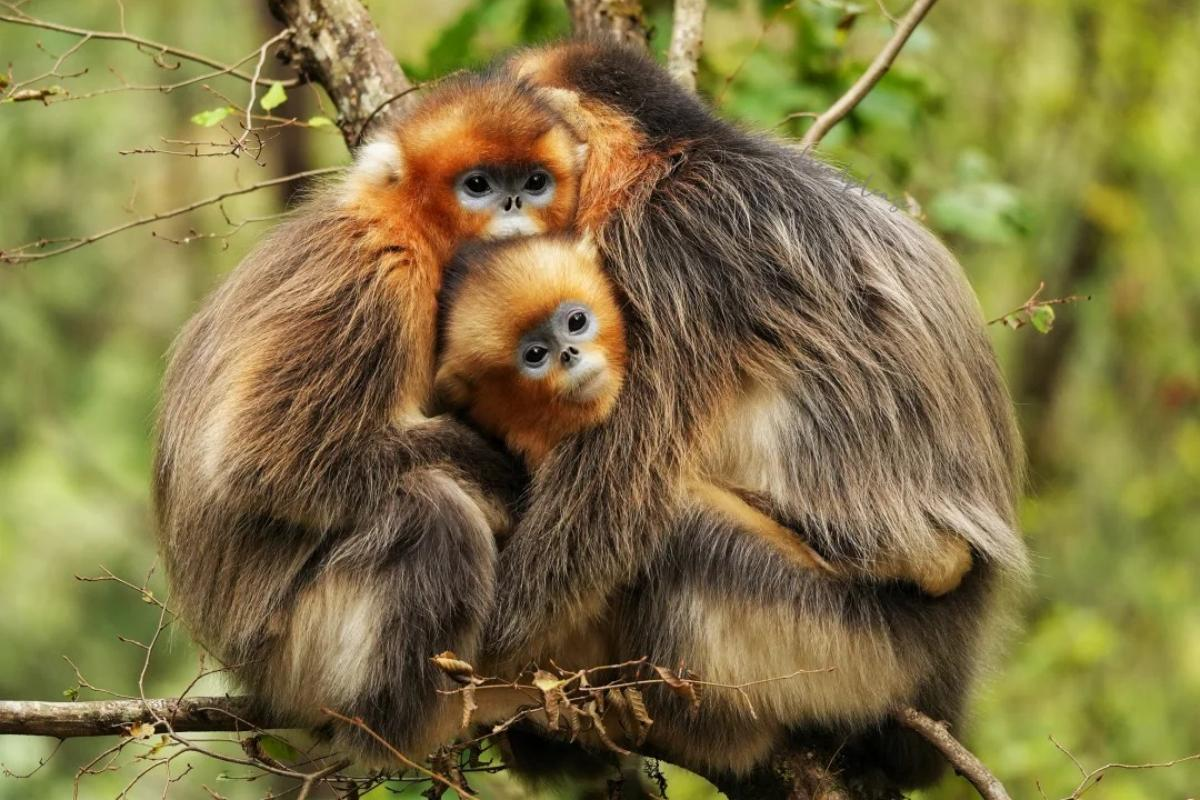
Sichuan should not be reduced to giant pandas. In mountain reserves and forest ecosystems, realistic targets can include Sichuan takin, golden snub-nosed monkey, Tibetan macaque, Reeve’s muntjac, Chinese goral, tufted deer, yellow-throated marten and a wide range of birds.
Some carnivores are present but much less predictable. Asian black bear, leopard cat and other forest mammals may be encountered, but they should be described as possibilities rather than promised sightings. Wild giant pandas also occur in protected mountain ecosystems in Sichuan, yet a wild panda sighting is rare. A responsible wildlife itinerary should never be sold as though a wild panda is guaranteed.
What Wildlife Can You See in Sanjiangyuan?
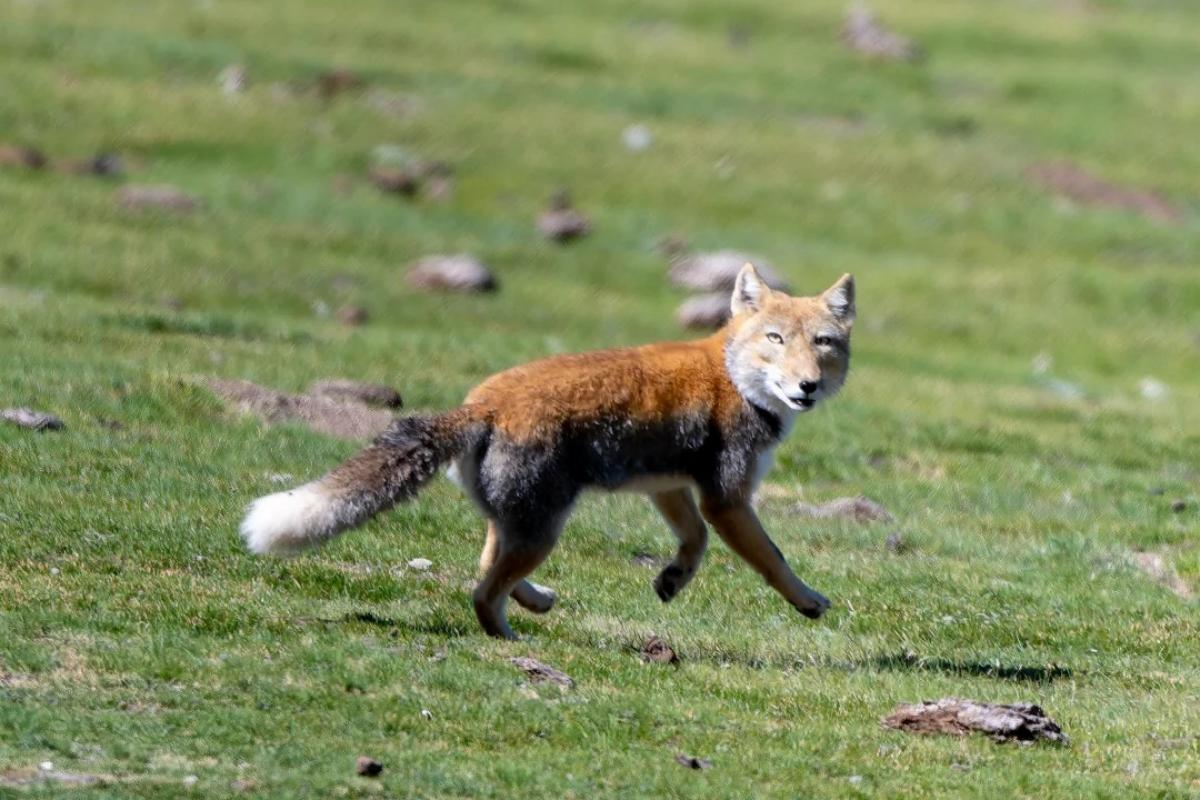
Snow leopard is the headline species for many visitors, but a Sanjiangyuan wildlife journey is much richer when you understand the entire ecosystem. Depending on location, season and luck, the wider mammal community can include Tibetan fox, wolf, Pallas’s cat, lynx, blue sheep, white-lipped deer, Tibetan gazelle, Tibetan wild ass, wild yak and brown bear.
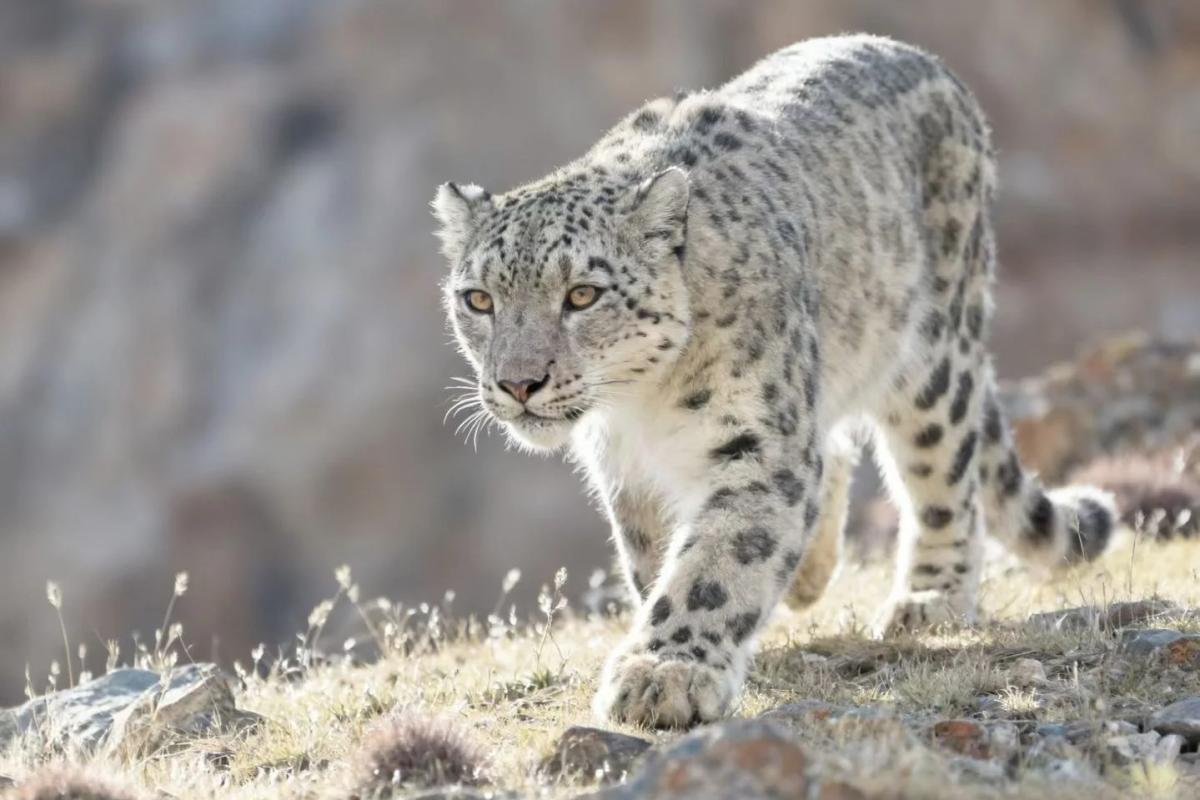
Snow leopard searches normally focus on rocky slopes, ridgelines and valleys where prey is present. Even in good habitat, these cats are masters of camouflage. Finding one may require hours of scanning with binoculars or spotting scopes, following recent local information and returning to the same valley more than once.
Sichuan vs Sanjiangyuan: Which Is Better for a First Wildlife Trip?
Choose Sichuan if you want broader variety and easier logistics
Sichuan is usually the easier starting point for a first wildlife trip in Western China. Chengdu provides a convenient gateway, and some wildlife areas can be reached without spending the entire journey above 4,000 meters. It also works well for couples or families in which one person is a dedicated wildlife watcher and the other also wants scenery, local culture and comfortable accommodation.
Choose Sanjiangyuan if plateau mammals are your priority
Sanjiangyuan makes more sense if snow leopard habitat and Tibetan Plateau mammals are central to the trip. The trade-off is altitude. Observation can involve cold mornings, long periods of waiting, rougher roads and fewer comfort options than a conventional sightseeing itinerary.
What Is the Best Time for Wildlife Watching?
There is no single “best wildlife month” for all of Western China. The right season depends on your target species. In forested Sichuan, cooler periods can improve visibility for some mammals as vegetation changes and animals move through lower areas. Spring and autumn can balance wildlife activity with comfortable field conditions.
For a broader Sanjiangyuan expedition, late spring through autumn generally provides more workable road and weather conditions. A snow-leopard-focused trip may use a different seasonal strategy from a general plateau-mammal tour. Species should determine the calendar, not the other way around.
How Many Days Do You Need?
Wildlife watching is fundamentally different from sightseeing. You cannot schedule a snow leopard for 10:30 a.m. and a wolf for the afternoon. More field time gives you more chances to respond to weather, animal movement and recent sightings.
Will I Definitely See the Animals on My List?
No ethical wildlife operator should guarantee a wild-animal sighting. Good planning can improve your chances by choosing the right habitat, season, local observers and field schedule, but weather and animal behavior remain outside anyone’s control.
When comparing wildlife tours, look carefully at the wording. “This species lives here” is not the same as “this species is regularly observed,” and neither statement means a sighting is guaranteed.
What Should Wildlife Photographers Bring?
A telephoto lens in roughly the 400-600 mm range is useful for distant mammals and birds, while a shorter zoom is valuable for habitat and environmental images. A stable monopod or tripod, spare batteries, memory cards, weather protection and binoculars are often more useful than adding one more heavy lens.
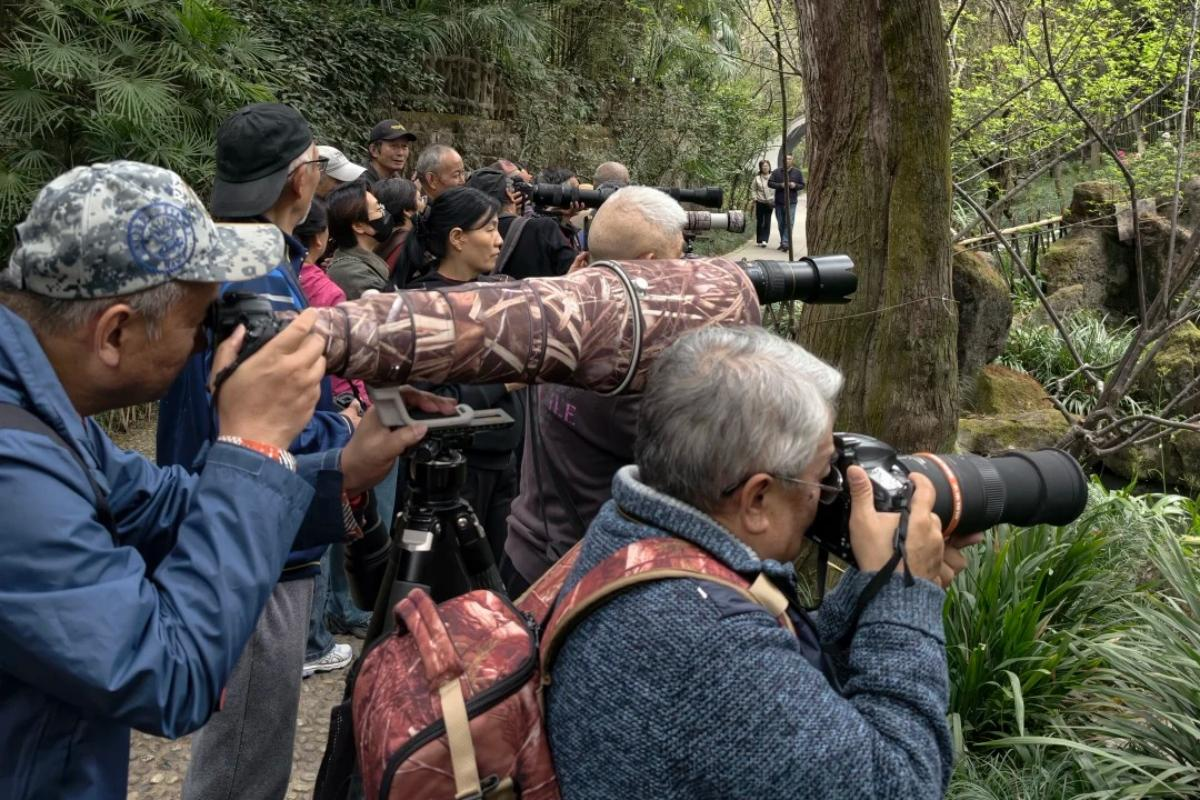
At altitude, batteries can drain quickly in cold conditions. Dust, wind and rapid weather changes also matter. Pack so that you can keep essential gear accessible without repeatedly opening a large bag while an animal is in view.
How Difficult Is the Altitude in Sanjiangyuan?
Altitude is one of the biggest differences between these two wildlife experiences. Much of Sanjiangyuan is very high, and travelers need a sensible acclimatization plan. Wildlife observation may involve less physical exertion than trekking, but altitude can still affect sleep, appetite, energy and recovery.
If you have concerns about high-altitude travel, discuss them with an appropriate medical professional before departure. A good itinerary should also avoid rushing directly from low elevation into demanding field days.
Can You Combine Sichuan and Sanjiangyuan?
Yes. For dedicated mammal watchers and wildlife photographers, the combination is particularly strong because the two regions complement each other rather than repeat each other. Sichuan contributes forest ecosystems and lower-elevation mammals; Sanjiangyuan adds open plateau landscapes, high-altitude ungulates and predator habitat.
If you have limited time, choose according to your priority. If you have around two weeks or more and wildlife is the main purpose of the journey, combining both can create one of the most complete wildlife experiences in Western China.
Which Wildlife Journey Is Right for You?
Choose Sichuan if you want biodiversity, forest mammals and easier logistics. Choose Sanjiangyuan if you are comfortable with altitude and want to spend serious field time searching for plateau wildlife. Combine them if you want the ecological contrast and have enough time to avoid rushing.
Explore PandaRoaming’s Nature & Wildlife Experiences and tell us which animals are highest on your list. We can build the journey around target species, season, photography priorities and your preferred travel pace.