For centuries, Tibet has lived in the imagination of the world as a place of faith. People think of golden monastery roofs beneath endless skies, pilgrims walking the kora around ancient temples, prayer flags moving with the wind, and a civilization shaped by spirituality on the roof of the world.
Central Tibet, with Lhasa as its spiritual heart, became the symbol of this civilization. Here, great monasteries rose, religious traditions flourished, and generations of people built a world where faith influenced everyday life, philosophy, and identity.
However, Tibet is not a single landscape, nor is it a single cultural experience.
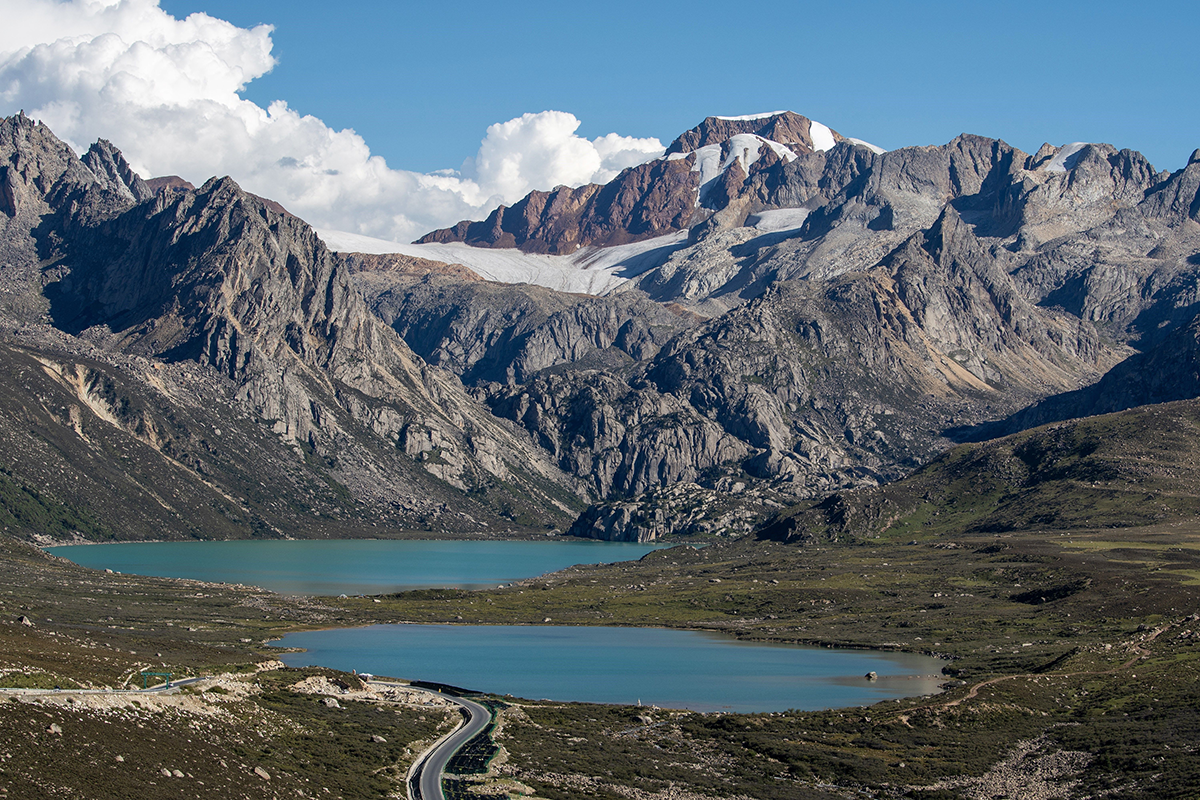
Two Visions of Tibet
Travel east from Chengdu, China, across the vast Tibetan Plateau, and beyond the famous destinations of Central Tibet, another world begins to appear.
This is Kham — the eastern region of the Tibetan Plateau, a land shaped by deep valleys, powerful rivers, snow-covered mountains, and communities that have developed a unique relationship with the surrounding landscape.
Unlike the image of Tibet often associated with large monasteries and open highland plains, Kham presents another side of Tibetan civilization. Here, culture is connected not only with religion, but also with movement, trade, nature, and everyday life.
Often described as a hidden corner of Sichuan, Kham feels like a secret Sichuan waiting to be discovered. It is a place where Tibetan culture exists not only inside monasteries, but also in villages, family homes, grasslands, and mountain valleys.
For travelers searching for authentic China beyond the usual tourist routes, Kham offers a rare opportunity to experience a living culture that has continued for centuries.
Entering Kham: Another Tibet Beyond the Famous Image
Unlike the broad and open landscapes often associated with Central Tibet, Kham is a world shaped by mountains.
Located within the Hengduan Mountains, one of Asia’s most dramatic mountain regions, Kham is a place where snow peaks rise above deep canyons, forests grow beside high-altitude grasslands, and rivers carve their way through valleys.
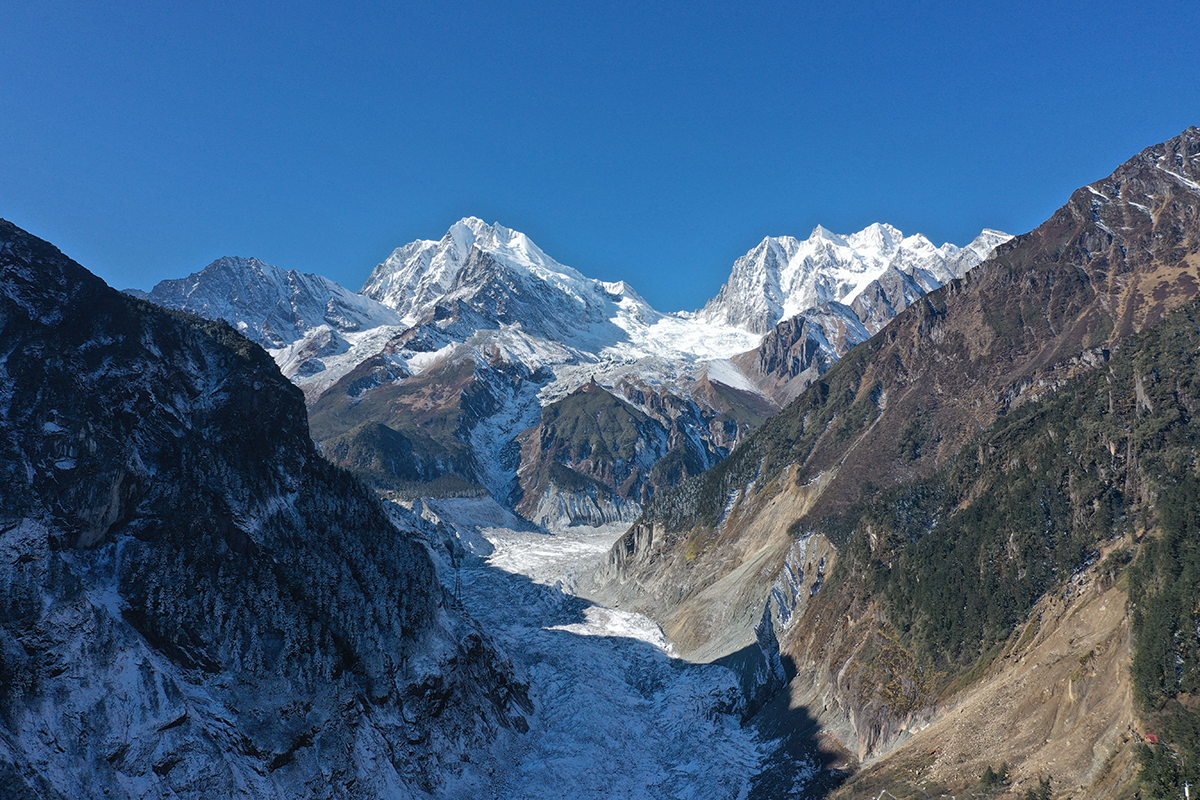
This geography is also what makes a Sichuan road trip through Kham so unforgettable. The journey itself becomes part of the experience. Every mountain pass, village road, and valley reveals another layer of this extraordinary landscape.
In Kham, mornings begin with a different rhythm from the cities below the plateau.
Wooden houses sit along mountain slopes. Smoke rises slowly from village kitchens. Yak herders guide their animals across grasslands beneath snow-covered peaks. Children walk through barley fields toward small village schools.
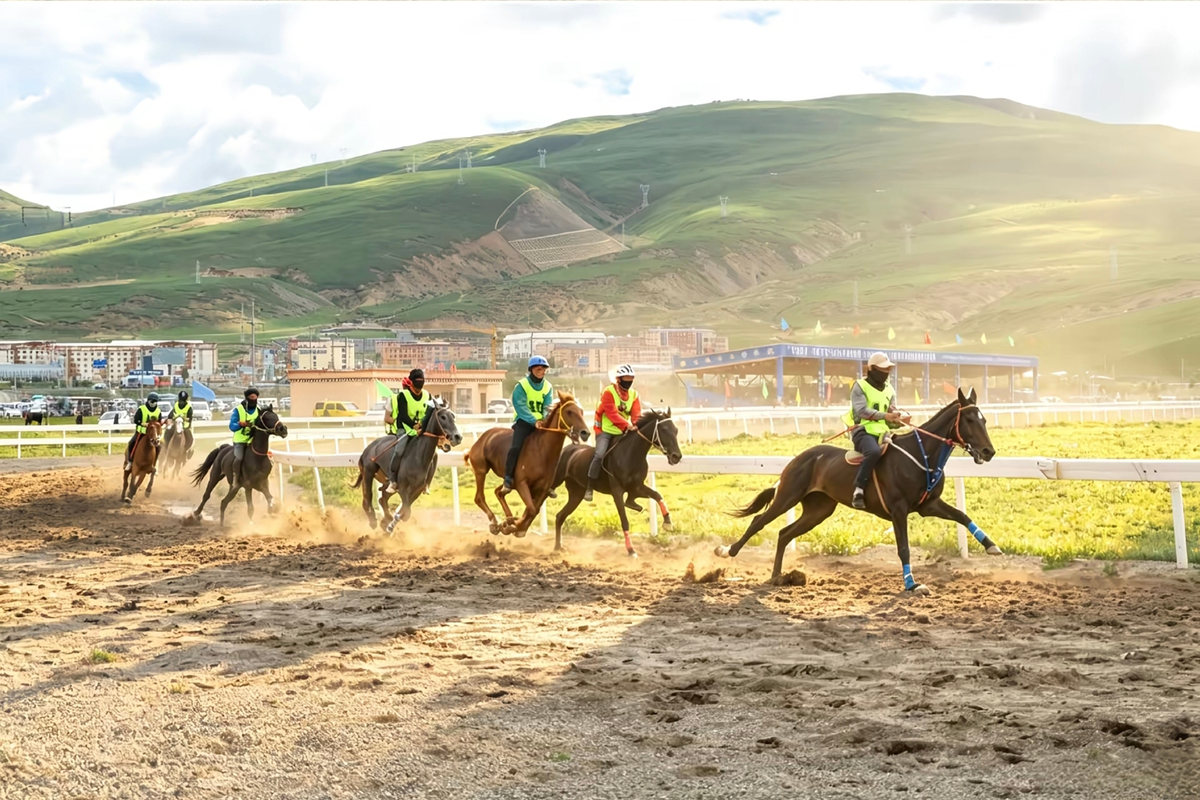
An elderly man sits beneath the sunlight turning prayer beads. A young rider prepares a traditional horse race while mountains stand silently behind him.
Here, Tibetan culture is not something preserved only for visitors to observe. It continues naturally through the movement of people, animals, and seasons.
A Living Tibetan Culture in the Mountains
The greatest difference between Kham and many other Tibetan regions is that culture here remains a living tradition.
Tibetan culture in Kham can be found in family homes, traditional villages, seasonal festivals, local food, religious practices, and the relationship between communities and the land around them.
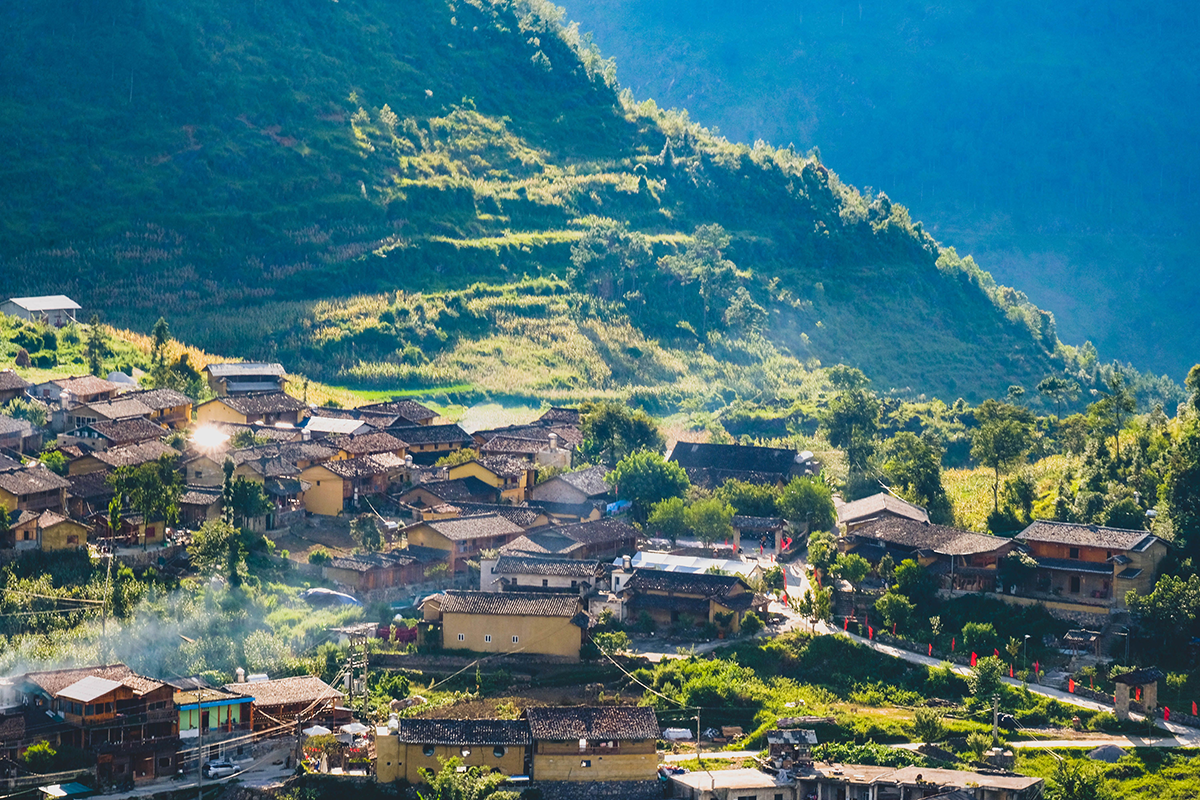
A traveler visiting Kham does not simply observe Tibetan culture from the outside. Through meaningful encounters and slow travel, visitors can experience a deeper form of cultural immersion.
This is what makes Kham different from many famous destinations. The experience is not created for tourism. It has continued for generations regardless of whether visitors arrive or not.
For travelers looking for renewal, Kham offers something increasingly rare in modern life: space, silence, a restorative rhythm, and a chance to reconnect with nature.
How Geography Created Khampa Identity
The unique character of Khampa culture begins with geography.
Unlike the wider valleys of Central Tibet, Kham developed within the dramatic terrain of the Hengduan Mountains. Communities grew between mountains, rivers, and high passes rather than around large open plains.
The Yangtze River, Lancang River, and Nu River all pass through this region, creating natural corridors where people, goods, languages, and ideas traveled for thousands of years.
The landscape influenced the way people lived.
In Central Tibet, wider valleys allowed larger agricultural communities, monasteries, and religious institutions to develop. Spiritual centers became the foundation of society.
In Kham, life required more movement. Mountains separated communities, but ancient roads connected them. People traveled between valleys, traded across regions, followed rivers, and crossed mountain passes with horses.
The mountains did not isolate Kham. They created a culture that was always moving and constantly connected.
A Culture Shaped by Movement and Connection
The difference between Kham and Central Tibet is not a difference between two peoples. It is the result of two different relationships between humans and the land.
Central Tibet became the spiritual heart of Tibetan civilization. It preserved religious philosophy, ancient knowledge, and traditions that explored the relationship between humanity and the unseen world.
Kham developed a different identity. For centuries, this region became a bridge connecting Tibet with Sichuan, Yunnan, and the wider regions of Southwest China.
The ancient Tea Horse Road passed through these mountains, connecting Tibetan communities with the outside world. Along these routes, tea, horses, salt, languages, beliefs, and stories moved between distant valleys.
Because of this constant movement and exchange, Khampa culture developed a unique character. It remained deeply connected to Tibetan traditions while also becoming open, adaptable, and connected with different communities.
The Khampa identity was shaped not only by belief, but also by journeys. Not only by contemplation, but by action.
Perhaps this is why Khampa people are often associated with qualities such as courage, independence, and hospitality.
These qualities were not created overnight. They grew from the environment itself.
A person raised among steep mountains learns resilience. A person who crosses high passes learns patience. A community connected by ancient roads learns how to welcome travelers from distant places.
The character of Kham was created through centuries of interaction between people and the mountains around them — one of the rare off the beaten path China experiences that allows travelers to discover a different side of the country.
The Spirit of Kham Today
Today, when travelers stand in Kham, they begin to understand that the attraction of this land is not only its scenery.
Above the valleys rise some of the most impressive mountains in eastern Tibet, including Minya Konka (Gongga Mountain), Genyen Mountain, and countless unnamed peaks that have watched over these communities for generations.
Below these mountains are villages where barley still grows, prayer flags still move with the wind, and horses still run across open grasslands.
The silence here is not empty.
It is filled with the sound of rivers flowing through valleys, wind passing over grasslands, animals moving across open fields, and the quiet connection between people and the landscape.
You are not simply looking at mountains. You are standing inside a living story.
A story of people who did not build their world around conquering nature, but around learning how to live with it.
This relationship with nature represents a quiet wisdom that feels increasingly meaningful in today’s fast-moving world.
Experiencing Kham Beyond Sightseeing
The best way to understand Kham is not simply to visit viewpoints, take photographs, and continue to the next destination.
Kham reveals itself slowly.
It appears through conversations with local people, quiet moments in Tibetan villages, traditional meals shared with families, mountain roads between remote valleys, and the rhythm of everyday life.
For travelers interested in cultural journeys, Kham provides something beyond ordinary sightseeing. It offers the opportunity to experience a living culture and develop a deeper cultural connection with the places they visit.
This is why many travelers describe their journey through Kham as more than a trip. It becomes a personal experience of discovery, reflection, and renewal.
Why Explore Kham With Local Experience?
Traveling through Kham is very different from visiting a standard tourist destination.
The region is vast, mountainous, and culturally diverse. Understanding this land requires more than transportation between attractions. It requires knowledge of local history, geography, traditions, and daily life.
Traveling through Kham with local experience allows travelers to:
- Discover villages, landscapes, and cultural experiences beyond common tourist routes.
- Understand the stories behind monasteries, traditions, and local lifestyles.
- Travel through mountain regions with guides who understand local roads, seasons, and conditions.
- Experience Tibetan culture respectfully and meaningfully.
At PandaRoaming, we specialize in Western Sichuan and Kham journeys, creating experiences that combine dramatic landscapes with authentic cultural connections.
Our goal is not only to show travelers beautiful places, but also to help them understand the people, traditions, and history behind those places.
Discover the Hidden China of Kham
Kham is a place where mountains and culture exist together.
It is a region where ancient traditions continue, where landscapes still shape people’s lives, and where travelers can experience a side of China far away from ordinary routes.
The best way to discover Kham is to slow down, follow the old mountain roads, listen to local stories, and allow the landscape to reveal itself naturally.
This is the beauty of hidden China — places that do not reveal everything immediately, but leave a lasting impression on those willing to explore deeper.
For many travelers, a journey through Kham becomes more than a destination. It becomes a memory of mountains, people, and a way of life that feels both ancient and deeply relevant today.
The valleys of Kham remind us that travel is not only about seeing new places. Sometimes, it is about discovering a different way of understanding the world.
Explore Kham and Western Sichuan
Experience snow mountains, Tibetan villages, grasslands, and authentic Khampa culture with a local travel team based in Chengdu.