Yes — China is generally safe to travel to in 2026.
For most tourists, China is considered:
- A low-crime destination
- A highly structured and orderly society
- A country with excellent infrastructure and public safety systems
However, safety in China is slightly different from what many Western travelers expect.
👉 China is not just “safe” — it is controlled, organized, and predictable, which is exactly why it feels secure.
Quick Answer: Is China Safe for Tourists in 2026?
✔️ Yes, China is safe if you:
- Follow local laws
- Prepare for the digital environment
- Plan your travel in advance
⚠️ You may face challenges if you:
- Expect unrestricted internet access
- Travel without preparation
- Visit remote areas independently
1. Crime Rate in China: Is It Dangerous?
China has one of the lowest violent crime rates among major travel destinations.
- Violent crime against tourists is rare
- Gun-related incidents are extremely uncommon
- Cities are heavily monitored and well-managed
Why China Feels Safe
- Strong police presence
- Strict law enforcement
- Highly organized public spaces
👉 Many travelers report feeling safer in China than in major Western cities.
1.1 Global Safety Ranking: Where Does China Stand?
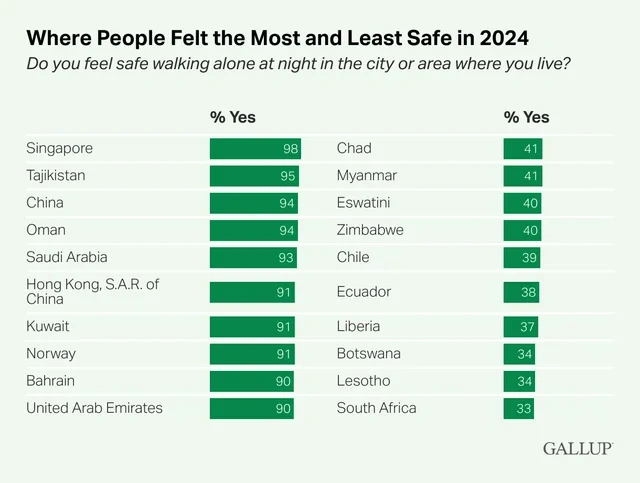
According to the latest data from the Gallup Global Law and Order Index 2024, China ranks among the safest countries in the world based on real-life safety perception.
Key Findings:
- Singapore ranks #1
- Tajikistan ranks #2
- China ranks #3
- 94% of people in China report feeling safe walking alone at night
👉 This places China among the top countries globally for perceived personal safety.
1.2 Real Travel Experience: Is China Safer Than Before?
Beyond statistics, many travelers report that China feels even safer today than it did years ago.
What Has Changed?
- Streets are cleaner and more organized
- It is now rare to see homelessness in major cities
- Petty theft has become less common
- Public spaces feel calm, structured, and efficient
👉 For many visitors, the biggest surprise is not just safety — but how orderly and relaxed daily life feels.
2. Is China Safe for Solo and Female Travelers?
Yes — China is considered very safe for solo travelers, including women.
What Travelers Commonly Experience
- Low levels of harassment
- Safe public transport even at night
- Friendly but non-intrusive interactions
Practical Safety Tips
- Stay in central, well-reviewed hotels
- Avoid empty areas late at night
- Use ride-hailing apps instead of unofficial taxis

safe for evening exploration.
3. Health & Medical Safety in China (2026)
Current Situation
- No major travel-related health restrictions
- No quarantine requirements
- Healthcare system operating normally
Medical Facilities
- Modern hospitals in major cities
- International clinics available
- Limited services in remote areas
Tips for Travelers
- Get travel insurance
- Bring essential medication
- Know emergency contacts
👉 Health risks are low and manageable, comparable to other developed destinations.
4. Transportation Safety: Getting Around China
China’s transportation system is safe, modern, and efficient.
High-Speed Rail
- Fast and reliable
- Extensive nationwide network
Flights
- Well-regulated aviation system
- Safe with occasional delays
Urban Transport
- Clean metro systems
- Reliable ride-hailing services
👉 Transportation is often one of the most impressive parts of traveling in China.
5. Internet & Digital Environment
China is safe — but digitally different.
Restricted Services
- Google, Instagram, Facebook, WhatsApp may not work
Cashless Society
- Mobile payments dominate (Alipay, WeChat Pay)
- Foreign cards not always accepted
Preparation Tips
- Set up payment apps before arrival
- Download offline maps
- Consider a VPN if needed
6. Laws, Rules & Cultural Awareness
China’s safety is closely linked to its structured system.
Important Rules
- Strict drug laws
- ID checks may be required
- Permits needed for certain regions
Cultural Awareness
- Avoid sensitive political discussions
- Respect local regulations
👉 China is safe because it is highly regulated and organized.
7. Safest Places to Visit in China
Easy for First-Time Visitors
- Beijing
- Shanghai
- Chengdu
- Xi’an
- Guilin
More Remote (But Safe)
- Yunnan
- Western Sichuan
👉 These areas are safe but require more planning.
8. Common Tourist Risks in China
Most risks are minor and manageable:
- Pickpocketing in crowded areas
- Tourist pricing in markets
- Language barriers
- Payment difficulties
👉 These are inconveniences, not serious safety issues.
9. What Travelers Often Notice First
One of the most common reactions from first-time visitors is:
👉 “China feels safer than I expected.”

Whether exploring a local market or walking through a city, travelers often notice:
- A strong sense of public order
- Friendly, natural interactions with locals
- A calm and secure atmosphere
👉 These real-world experiences reinforce why China ranks among the safest countries globally.
10. Final Verdict: Is It Safe to Travel to China Right Now?
Yes — China is safe to travel to in 2026.
China is Safe Because:
- Low crime rates
- Strong public security
- Excellent infrastructure
China Requires Preparation Because:
- Digital systems are different
- Internet access is restricted
- Travel is highly structured
Travel Safety Tips for China
- Set up Alipay or WeChat Pay
- Download offline maps
- Carry your passport
- Book transport and hotels in advance
- Respect local laws
Final Thoughts
China is not a difficult destination — it is simply a different one.
If you are prepared, you will find:
- A safe environment
- A highly efficient travel system
- A unique and deeply rewarding experience
Bottom Line
China is one of the safest countries to travel to right now — and one of the most fascinating.