
Chongqing
Chongqing is one of China’s most visually distinctive cities, built across steep hills where the Yangtze and Jialing rivers meet. Bridges, skyscrapers, hillside neighborhoods and layered streets create an urban landscape unlike anywhere else in the country.
Beyond its dramatic skyline, Chongqing is known for spicy hotpot, historic alleyways, riverside life and a city rhythm shaped by the mountains. It is also a convenient base for exploring Dazu Rock Carvings, Wulong and other cultural and natural sites around the municipality.
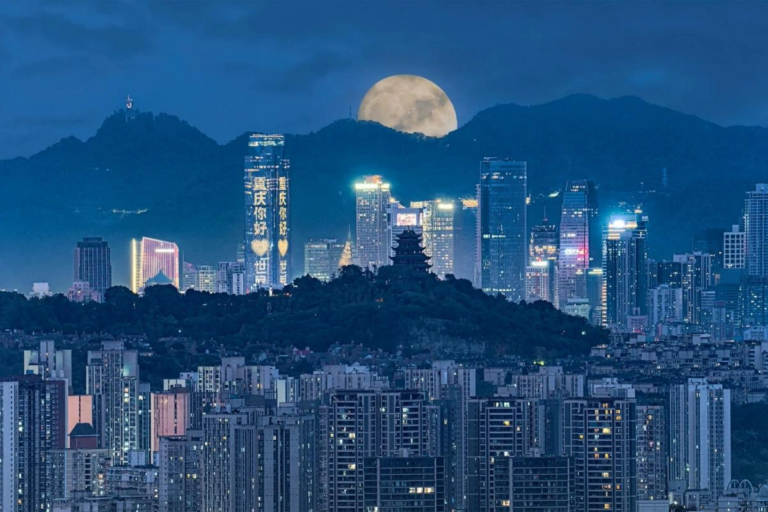
Mountain City Landscapes & Architecture
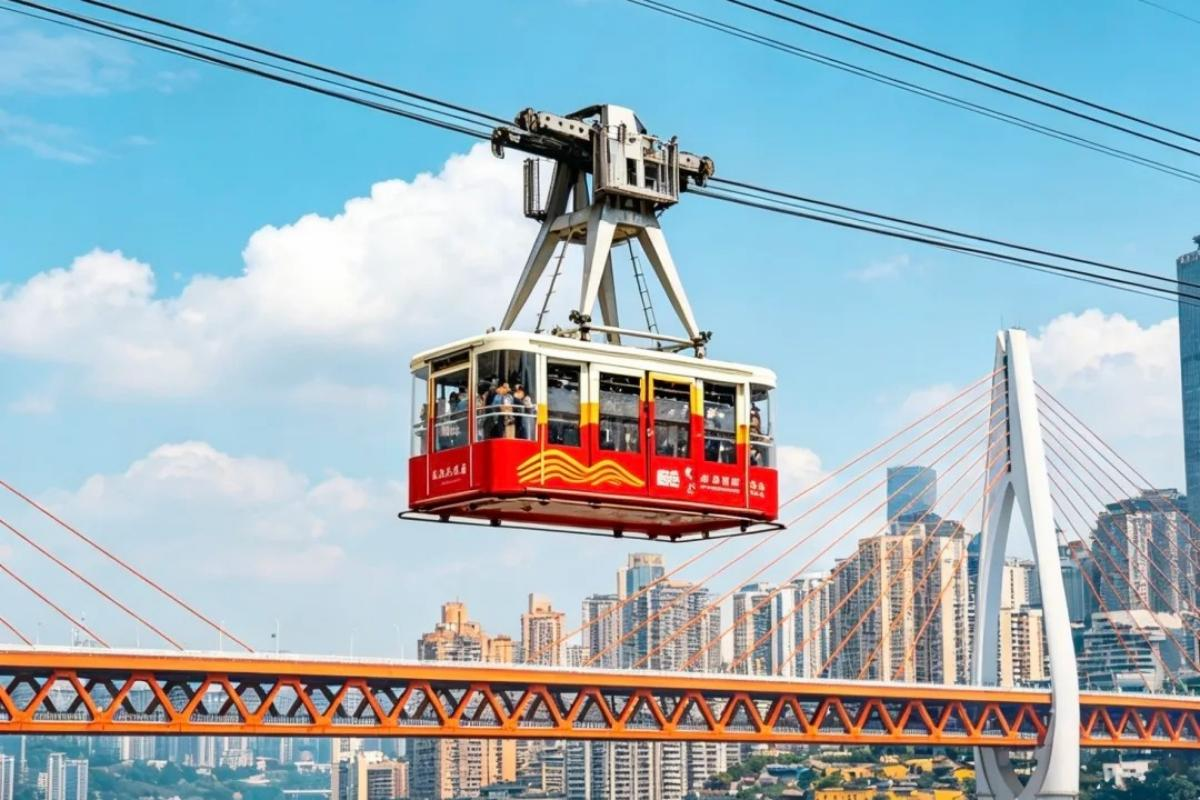
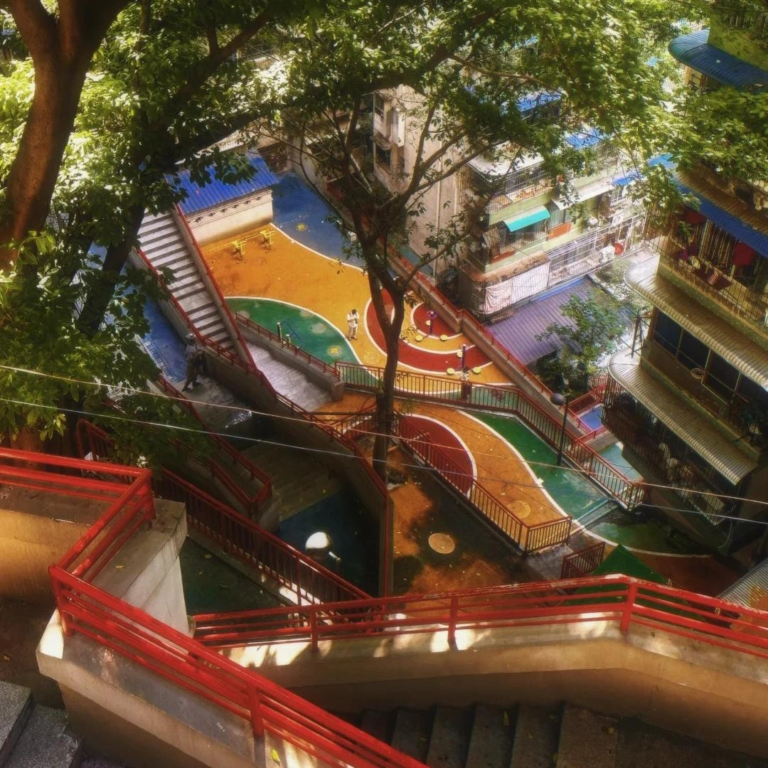
Explore the unique urban geography that has made Chongqing famous worldwide. Ride the Liziba Monorail, cross multi-level bridges, discover hidden stairways, and experience a city built vertically along steep hillsides and riverbanks.
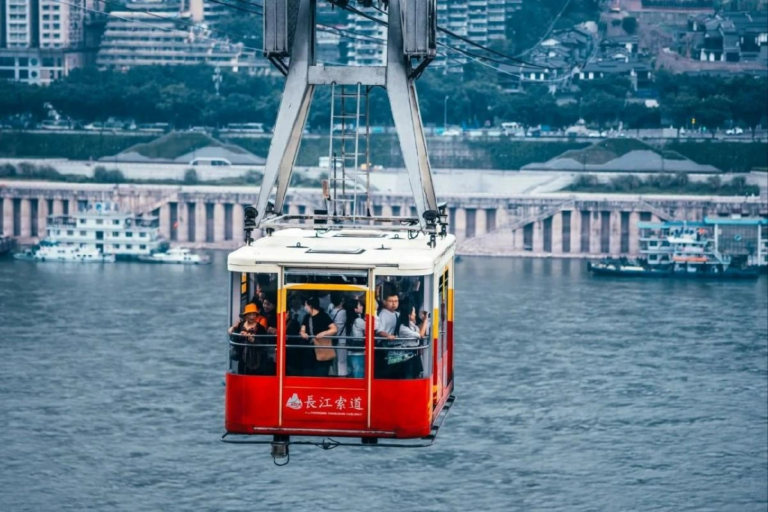
Riverside Culture & Historic Districts
Discover the older side of Chongqing beyond its modern skyline. Walk through Ciqikou Ancient Town, riverside neighborhoods, traditional markets, and historic streets that reveal the city’s trading heritage, local customs, and everyday mountain-city life.
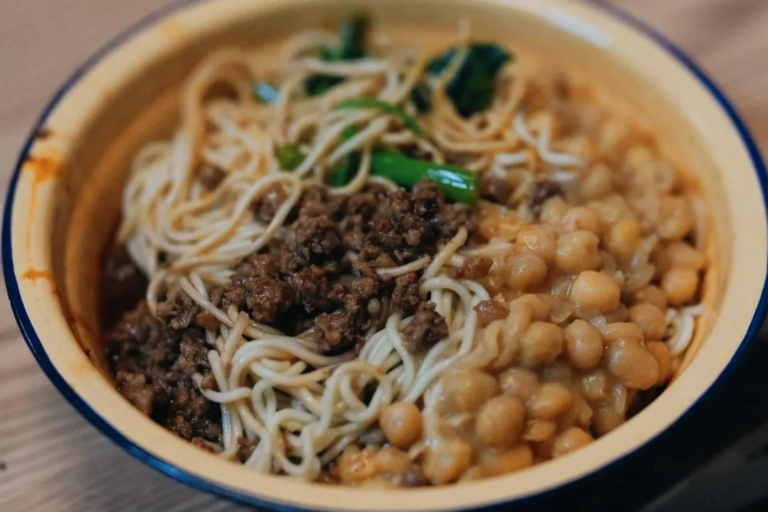
Street Food & Local Culture
Discover Chongqing through its food, local neighborhoods, markets, and teahouses. Beyond hotpot, explore signature flavors such as Chongqing noodles, traditional mahua snacks, and dockside-style hotpot culture rooted in the city’s river port history.
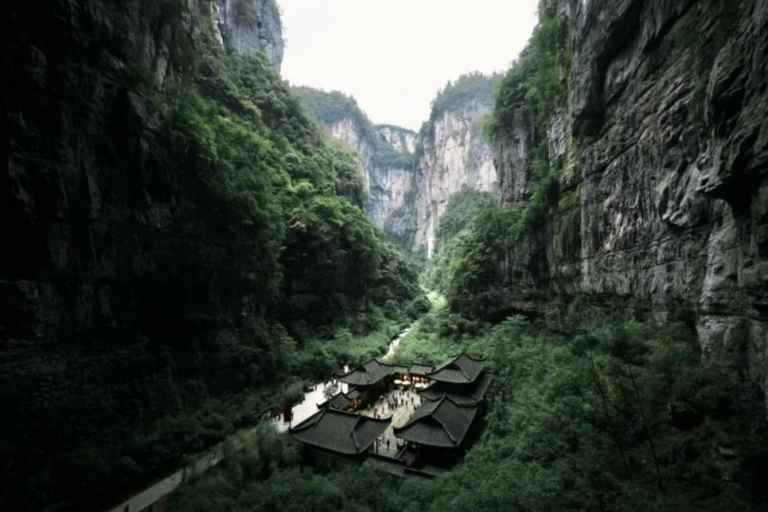
History, Heritage & Day Trips
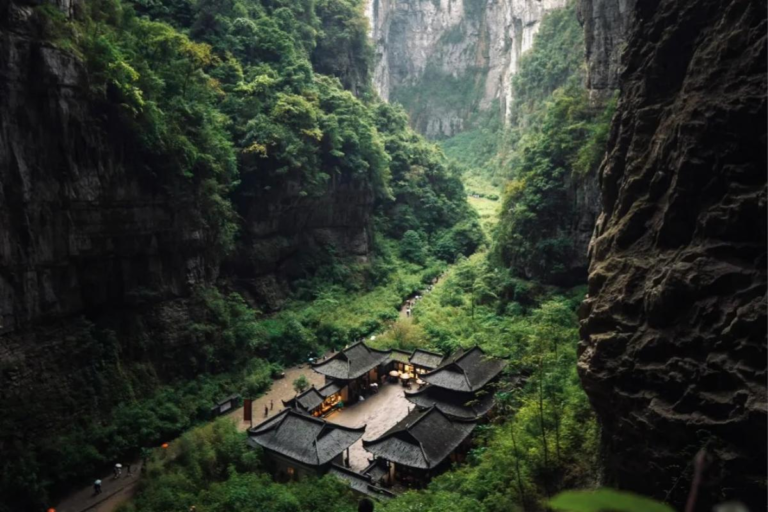
Visit Ciqikou Ancient Town, the Dazu Rock Carvings, and Wulong Karst National Park, a UNESCO World Heritage Site and filming location for Transformers: Age of Extinction. These cultural and natural landmarks reveal a different side of Chongqing beyond its modern skyline.
Travel Information
Chongqing can be visited year-round. Spring and autumn generally offer more comfortable conditions for exploring the city on foot, while summer is hot and humid and winter is cooler and often overcast.
Allow 2–3 days for Chongqing city itself. This gives you time to explore its neighborhoods, riverfronts, night views and local food. Add extra days for Wulong, Dazu or other destinations outside the city center.
Chongqing’s metro system is one of the easiest ways to move around the city, while taxis and ride-hailing are useful for shorter connections. Because of the steep terrain, places that look close on a map may involve stairs, slopes or different elevations.
Chongqing is built across multiple levels, with roads, metro stations, bridges and buildings often connected at very different elevations. Comfortable walking shoes and a flexible sightseeing pace make exploring much easier.
Dazu Rock Carvings and Wulong are among the most rewarding extensions from Chongqing. Depending on the destination, they can be visited as day trips or included in a longer journey through the municipality.
How Many Days Do You Need in Chongqing?
Chongqing can work as a short city stop or a deeper journey combining urban exploration with nearby heritage and natural landscapes. The right stay depends on how much you want to experience beyond the city center.
1–2 DAYS
Chongqing Essentials
Focus on the mountain city, riverside neighborhoods, night views and local hotpot for a compact introduction to Chongqing.
3–4 DAYS
Explore the City More Deeply
Add historic neighborhoods, local markets and more time to experience Chongqing’s food, street life and distinctive urban landscape.
5+ DAYS
Chongqing & Beyond
Combine the city with Dazu Rock Carvings, Wulong or other destinations for a broader journey through the region.
Chongqing Tours & Experiences
Explore private journeys through Chongqing, from hidden neighborhoods and local food to UNESCO heritage and dramatic karst landscapes.
PLAN YOUR CHONGQING JOURNEY
Ready to Explore Chongqing?
Tell us when you plan to visit and what you’d most like to experience. We’ll help you create a private Chongqing journey around your interests and travel pace.