If you search “things to know before traveling to China”, you’ll usually get general advice like visa requirements, cultural etiquette, and weather tips.
Those are useful—but they don’t really reflect what daily travel actually feels like once you arrive.
China is not difficult to travel in. But it is a place where your experience depends heavily on how well you prepare for its systems, especially digital tools and small daily habits that most travelers don’t think about in advance.
So instead of a checklist, it’s better to understand how things actually work on the ground.
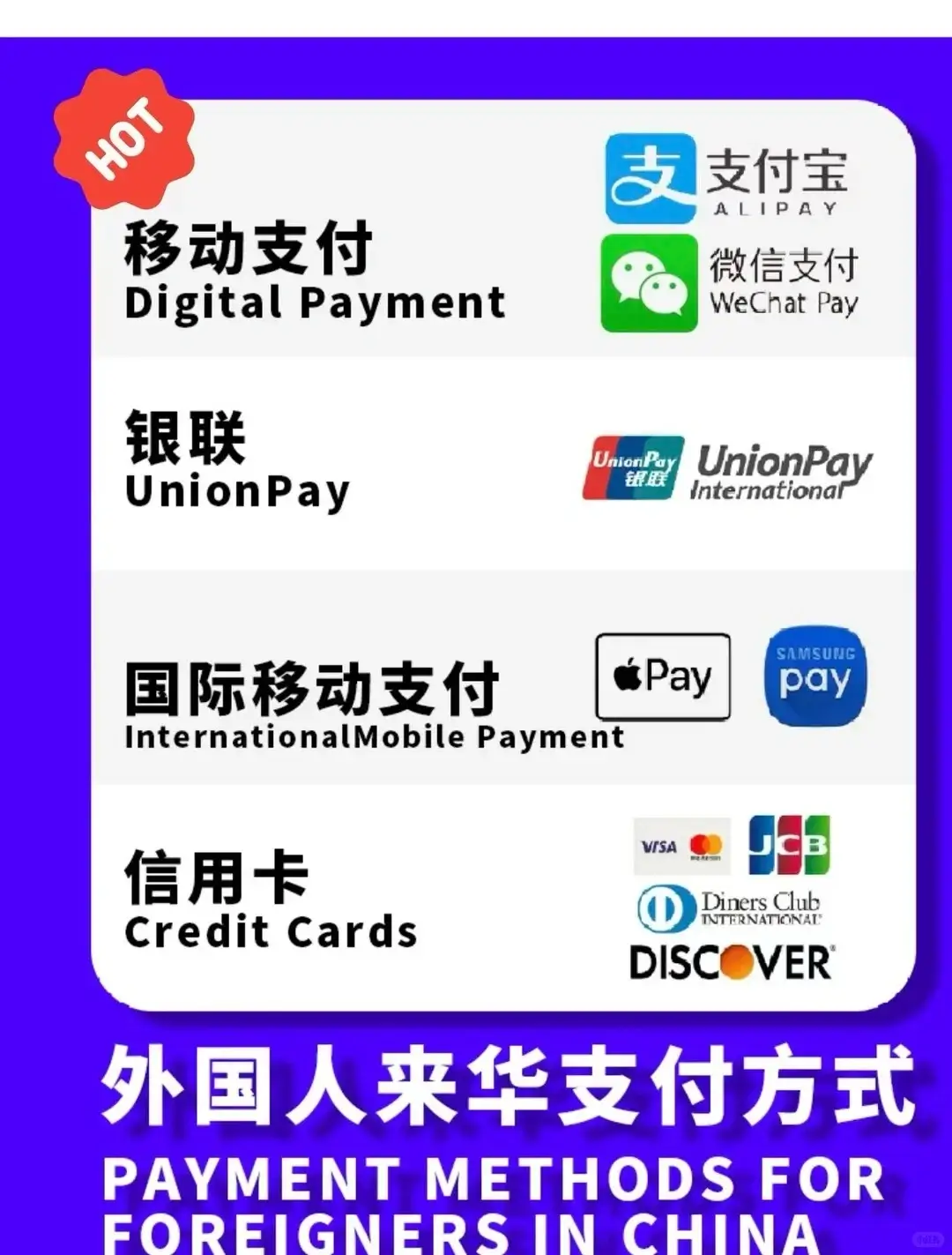
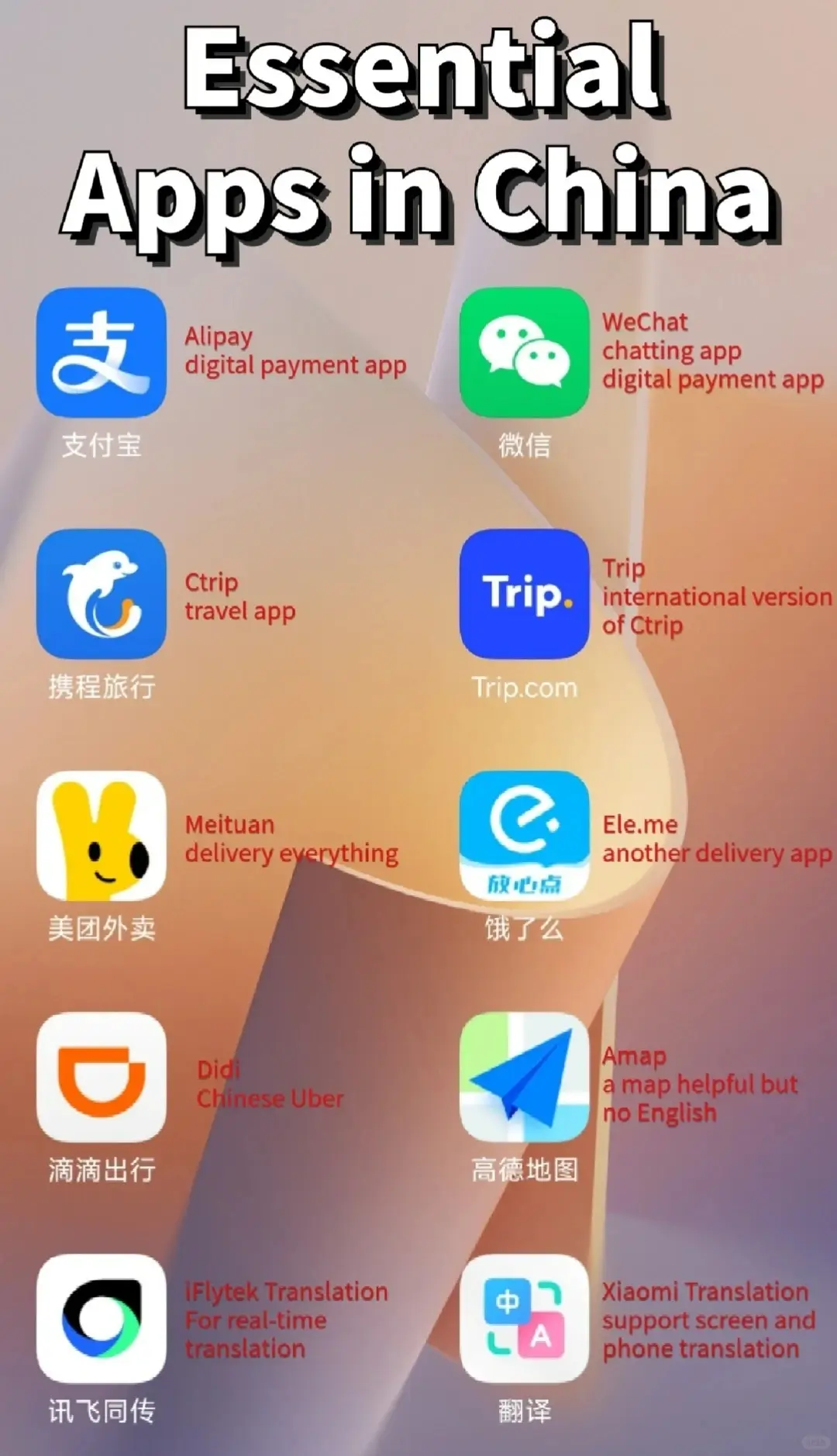
Mobile Payment Is Not Optional — It’s the Default System
One of the most important things to know before traveling to China is that mobile payment is the standard way of paying almost everywhere.
Most locals use:
- WeChat Pay
- Alipay
Both apps can be linked directly to international bank cards, and in most cases, once set up, you can use them for:
- Restaurants
- Transport
- Hotels
- Shops
- Even small street vendors
Cash is still accepted in some places, but it’s not the main method anymore. Credit cards are even less commonly used in daily transactions.
👉That said, it’s still a good idea to carry some cash as a backup, especially in rural areas or places with unstable internet connection.
Navigation in China Is Built Around Local Map Apps
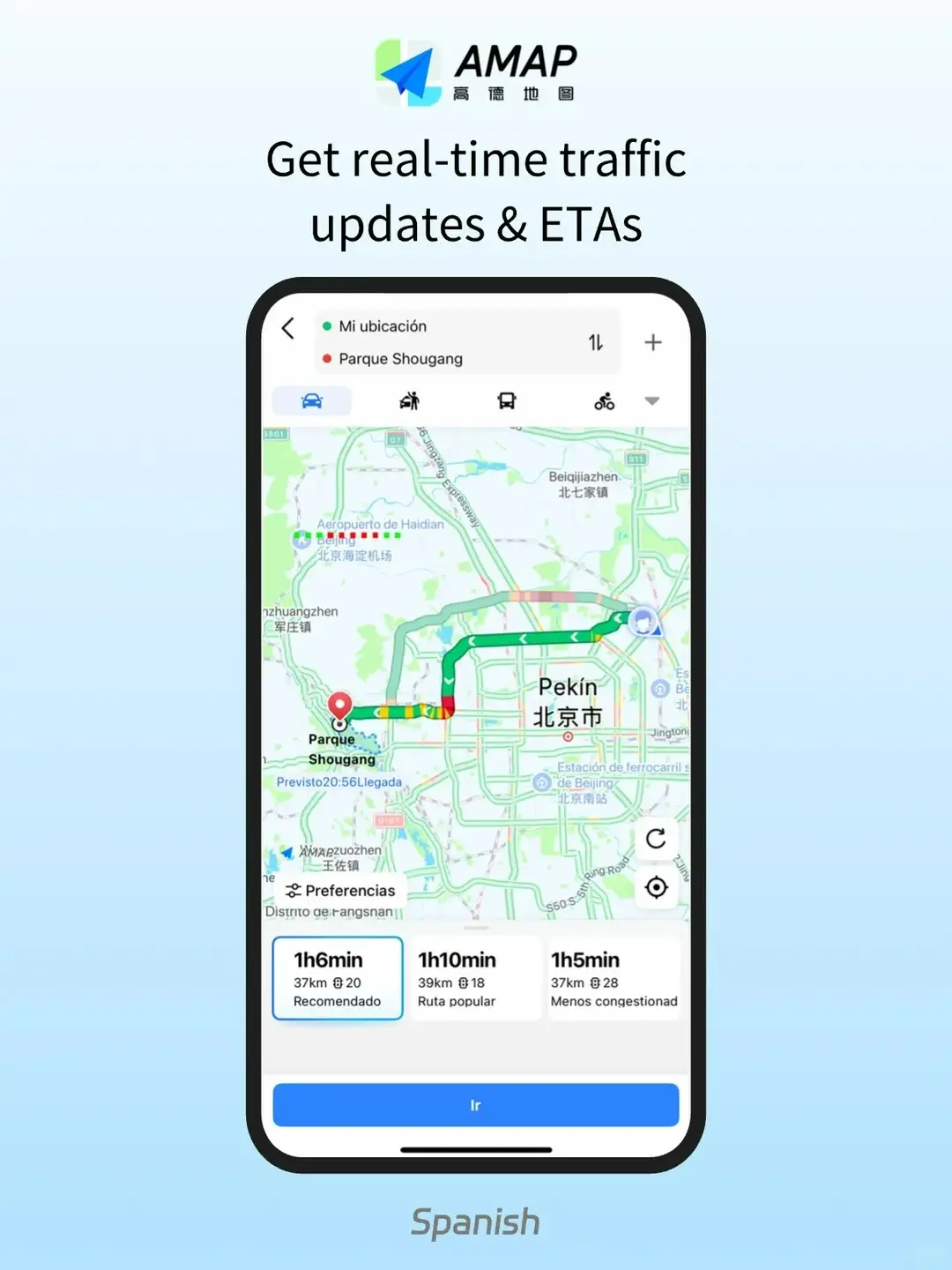
Another important thing to know before traveling to China is that Google Maps is not the primary navigation tool used locally.
The most widely used app is:
- Amap
It is highly accurate in China and commonly used by locals for:
- Finding restaurants nearby
- Locating hotels and attractions
- Checking public transport routes
- Navigating within cities
👉For most travelers, this becomes the most practical daily navigation tool once you arrive.
Translation Tools Help, But Offline Access Matters
Language is not usually a major barrier in tourist cities, but outside major hubs, English usage can be limited.
A simple and practical solution is:
- Google Translate (offline mode)
Downloading offline language packs before arrival is highly recommended.
👉This allows you to translate menus, signs, and basic conversations even without internet access.
Internet Access Requires Planning Before Arrival
China has a different internet environment compared to many countries, so planning connectivity in advance is important.
Common options include:
- eSIM data plans (recommended for convenience)
- Local SIM cards (available at airports or stores)
eSIM providers like:
- Airalo (https://www.airalo.com)
- Holafly (https://www.holafly.com)
These are commonly used by travelers to access mobile data easily upon arrival.
About VPN Access (Important Note)
Some international apps and services (such as Google, Instagram, Facebook, and TikTok depending on region access) may not work directly in China.
Many travelers use VPN services, but availability and performance can vary significantly.
Popular VPN providers include:
- ExpressVPN (https://www.expressvpn.com)
- NordVPN (https://nordvpn.com)
👉It’s important to note that regulations and service stability can change, so it’s best to check the latest situation before traveling and use official providers where possible.
Daily Life Habits Are Slightly Different
There are a few everyday details that often surprise first-time travelers:
💧Drinking Water
- Tap water is generally not drunk directly
- Bottled water is widely available and inexpensive
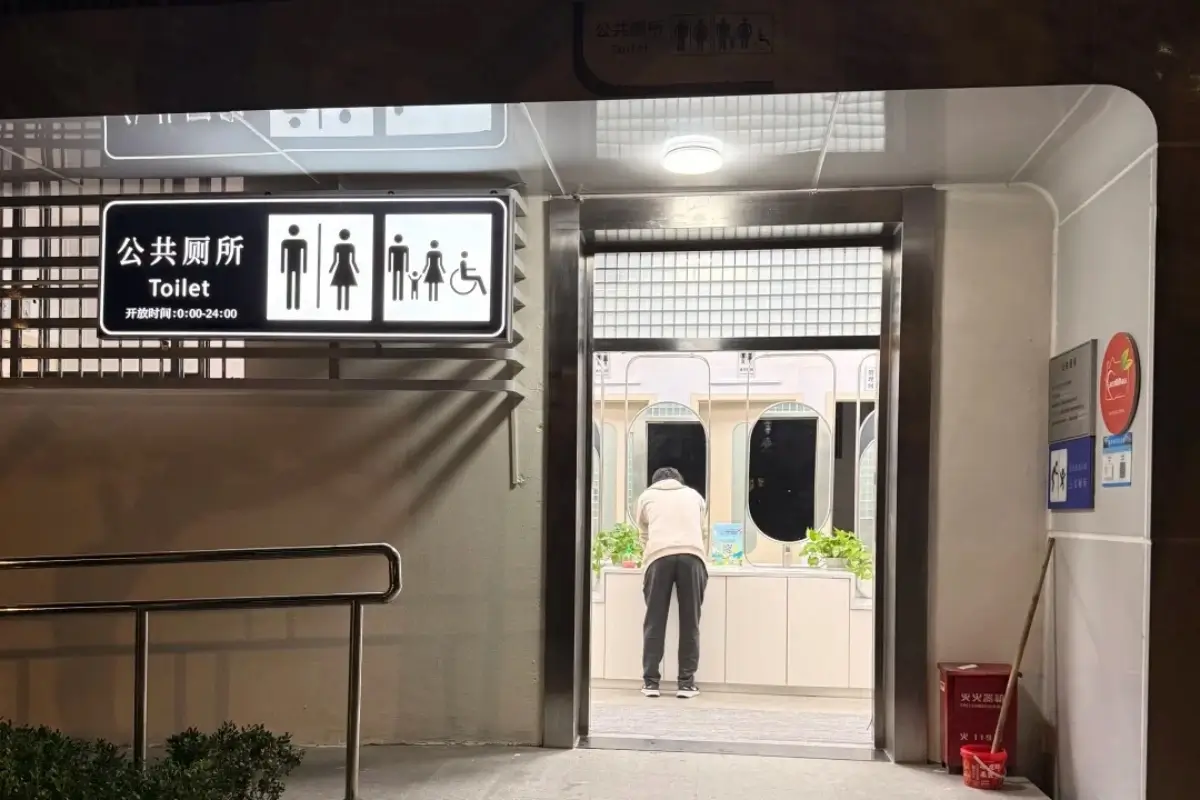
🚻Public Toilets
- Many public toilets do not provide toilet paper
- It is common to carry your own tissue
- Some toilets use squat-style facilities, especially outside major cities
👉 These are normal local conditions, not signs of poor infrastructure—just different standards of public facilities.
Entry Procedures Are Mostly Digital Now
When entering China, travelers are usually required to complete arrival declaration forms.
The good news is:
- You can often fill them out online in advance
- A QR code is generated for entry processing
👉This helps speed up immigration procedures at the airport.
Some Areas Have Restricted Access for Foreign Travelers
It’s important to know that certain regions in China may have:
- Special permits required
- Restricted access for foreign nationals
- Controlled entry zones in sensitive areas
Examples sometimes include remote or regulated regions such as parts of Tibet or specific protected cultural areas.
👉Rules can change depending on current regulations, so it is strongly recommended to:
- Check official government travel notices, or
- Consult experienced local guides before planning your route
Working With an Experienced Local Guide Can Make a Big Difference
Because China is large and regionally complex, many travelers choose to work with professional local guides—especially for multi-city or remote region trips.
An experienced guide can help with:
- Local transportation coordination
- Permit or access requirements
- Language support
- Customized itineraries
👉For example, our guides have over 16 years of experience working specifically with international travelers, helping them navigate China smoothly and safely across different regions.

Final Thoughts
The most important thing to know before traveling to China is not a single rule or tip.
It’s that the country operates on a different system than what many travelers are used to—but once you understand it, travel becomes very smooth and efficient.
Preparation is less about complexity, and more about alignment with how things actually work on the ground.
Once that shift happens, China becomes not just easier to travel—but far more interesting to explore.